
Plants
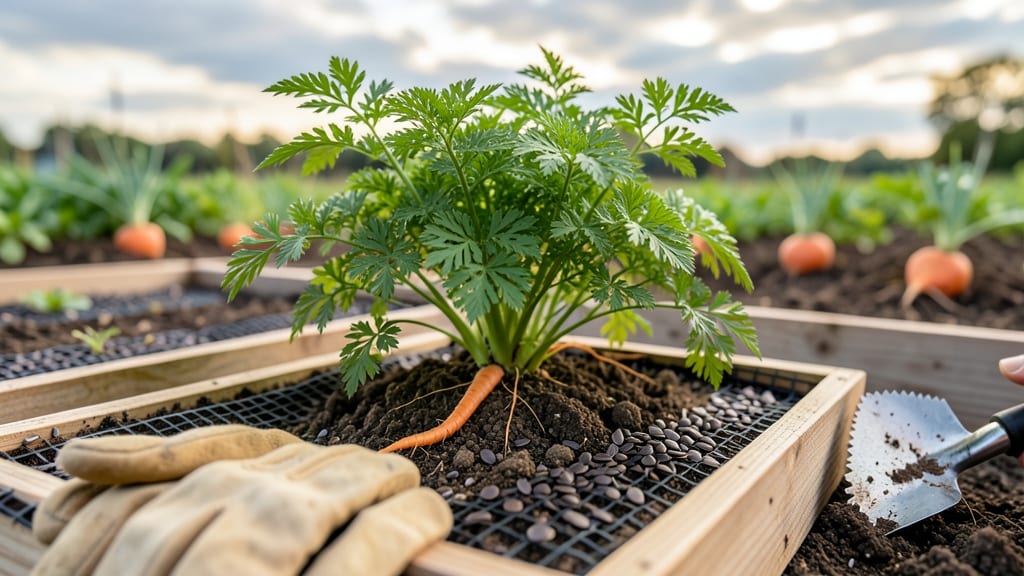
Planting carrots in Georgia isn't just about tossing seeds in the dirt—it's about timing them perfectly to beat the heat and avoid bitter, forked roots. The ideal window for your 🥕 crop is narrow: February through March for spring harvests, and August to September for fall.
Miss these months, and you risk bolting (when carrots flower too early) or struggling with Georgia's humidity and pests.
Here's the game-changer: North Georgia's cooler Zone 7b can start earlier, while South Georgia's Zone 8a should wait until soil warms to 60°F. I'll show you exactly how to sync your planting with Georgia's climate—no guesswork, just crisp, sweet roots every time.
Let's get those seeds in the ground the right way.
Why does this matter? Because a 5-minute mistake in timing can mean the difference between a bumper crop and wasted effort.
Whether you're a first-time gardener or a seasoned green thumb, these exact months and soil prep tips will help you grow carrots that actually taste like carrots—not stringy, woody disappointments. Ready to dig in?
We'll cover everything from soil prep to succession planting so you can harvest fresh 🥕 from May through December. No more wondering if you planted too early or late—just confident, foolproof results. Let's make this your best carrot season yet.
Georgia carrot planting calendar: best months by region and soil prep
Georgia’s diverse climate zones—from Zone 7b in the north to Zone 8b in the south—mean your carrot planting schedule should shift based on location. North GA gardeners face later springs and earlier frosts, while South GA enjoys extended growing seasons.
The key? Plant when soil temps hit 50-60°F and avoid bolting from heat stress.
For perfect crisp carrots, focus on two planting windows: spring (February-March) and fall (August-September). Spring carrots thrive before summer heat arrives, while fall crops mature before frost. Soil prep is non-negotiable—carrots demand loose, stone-free earth to grow straight.
Here’s your region-specific planting calendar, including soil temperature thresholds and frost-free dates to maximize yields:
| Region | USDA Zone | Best Planting Months | Soil Temp (°F) | Frost-Free Window | Key Tip |
|---|---|---|---|---|---|
| North GA | 7b | Feb 15–Mar 15 Aug 1–Sep 15 |
50–60°F | Mar 15–Nov 1 | Use row covers for early spring |
| Central GA | 8a | Jan 20–Mar 1 Aug 15–Sep 30 |
55–65°F | Feb 15–Dec 1 | Prioritize succession planting |
| South GA | 8b | Jan 1–Mar 15 Aug 1–Oct 1 |
60–70°F | Feb 1–Dec 15 | Plant short-day varieties for fall |
In North GA (Zone 7b), aim for February 15–March 15 to beat frost risks. Soil should warm to 50–60°F—use a soil thermometer to confirm. For fall, August 1–September 15 ensures harvests before November 1 frosts. Row covers can extend your window by 2–3 weeks in spring.
Central GA’s Zone 8a offers flexibility: start as early as January 20 if soil is workable, but February–March is ideal. Fall planting runs late—August 15–September 30—thanks to warmer soils. Succession planting every 2 weeks maximizes yield. Loose, sandy soil prevents forking, a common Georgia issue.
South GA’s Zone 8b climate lets you plant January 1–March 15 for spring crops and August 1–October 1 for fall. The extended frost-free season (until December 15) allows short-day varieties like ‘Sweet Crunch’ to mature fully. Avoid planting after September 15—bolting becomes inevitable as days shorten.
Before planting, amend soil with compost to improve drainage—carrots hate compacted earth. Work in sand or perlite if your soil is clay-heavy, a common problem in North GA. Test pH (ideal: 6.0–7.0); lime may be needed if soil is acidic.
For container growing, use deep pots (12+ inches) filled with soilless mix. Plant every 2 weeks from February to September for continuous harvests. Shade cloth (30–50%) helps in South GA’s summer heat, preventing bolting.
Pro tip: Direct-sow seeds—carrots hate transplants. Scatter seeds ¼-inch deep, 1 inch apart, and thin to 2–3 inches when seedlings are 2 inches tall. Water gently to avoid washing seeds away—this is critical in Georgia’s humid summers.
By following these region-specific windows and soil prep steps, you’ll avoid bolting, forked roots, and wasted effort. Happy planting! 🥕
How to avoid carrot bolting in Georgia’s heat: succession planting tips
Georgia’s summer heat can turn your crisp carrot dreams into bitter disappointments if you don’t act fast. Carrots bolt (prematurely flower) when stressed by heat, leaving you with tough, woody roots. The key? Succession planting and smart timing to keep them cool and happy all season.
I’ve learned the hard way—skipping this strategy means watching your carrot plants send up flowers instead of growing sweet roots. But with the right approach, you can enjoy a steady harvest from spring through fall, even in Georgia’s sweltering climate.
- Start early in February-March for spring harvests, using heat-tolerant varieties like 'Danvers' or 'Nantes'.
- Plant every 2 weeks until mid-June to stagger maturity and avoid heat stress on all plants at once.
- Use shade cloth (30-50%) over seedlings during peak afternoon heat (12 PM - 4 PM) to prevent bolting.
- Choose late-summer varieties like 'Autumn King' for August-September planting to harvest before winter.
- Water deeply in the morning only to keep soil consistently moist without encouraging fungal growth.
- Mulch heavily with straw or grass clippings to retain moisture and cool soil during Georgia’s hottest months.
My favorite trick? Pairing succession planting with shade cloth creates a microclimate that tricks carrots into thinking it’s spring. I’ve seen carrot varieties like 'Paris Market' thrive under 30% shade cloth during July, producing sweet roots when other gardens give up.
Don’t forget to thin seedlings to 2-3 inches apart—they’ll compete less for water and nutrients, reducing stress. I once planted a dense patch without thinning, and the resulting crowded roots forked and bolted within weeks.
For fall harvests, start your last succession in mid-August using fast-maturing varieties like 'Little Finger'. These will be ready by November before Georgia’s first frost hits around November 15.
With these strategies, you’ll avoid the heartbreak of bolting carrots and enjoy fresh, crisp roots straight from your garden all season long. The secret? Stay one step ahead of Georgia’s heat by planning like a pro. 🌱