
Plants
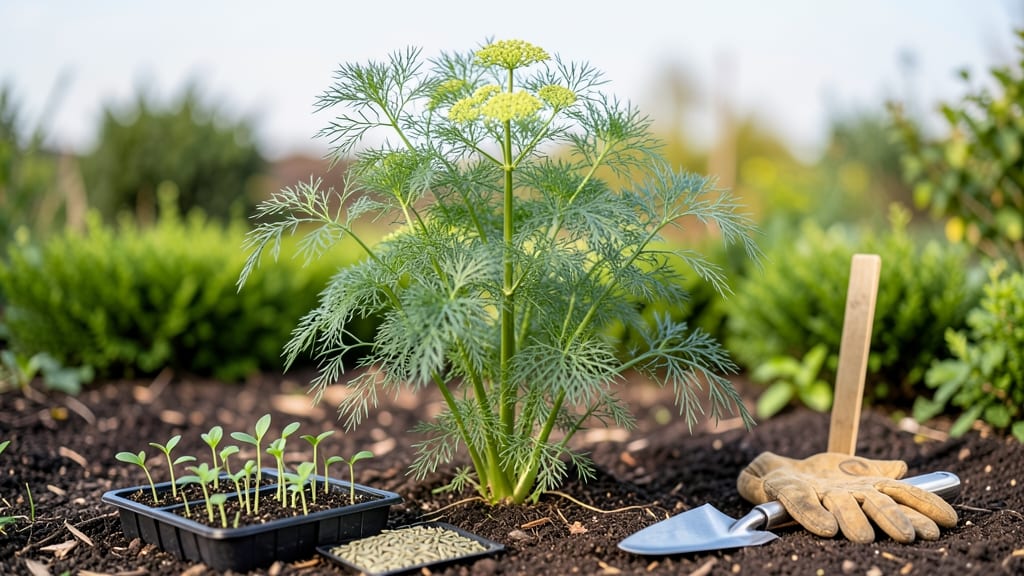
Planting dill in Florida at the wrong time can turn your fresh herb dreams into a bitter, bolting disappointment—especially when those 90-degree days trigger early flowering.
The key to lush, leafy harvests lies in understanding Florida’s unique heat zones and seasonal rhythms, where dill thrives as an annual with just the right timing.
Unlike northern climates, Florida’s frost-free winters and scorching summers mean you can grow 🌿 dill year-round, but not all months are created equal. Fall and winter plantings give you the edge, avoiding the heat stress that sends dill racing toward seed production.
With the right schedule, you’ll enjoy tender leaves for 8-10 weeks—just in time for soups, salads, and pickling.
What you’re about to discover isn’t just about when to plant—it’s about how to outsmart Florida’s climate to keep your dill happy and productive.
We’ll cover the best months, soil prep, and even shade tricks to prevent bolting, so you can enjoy fresh dill from January through November without the frustration.
Ready to turn your Florida garden into a dill powerhouse? Let’s dive into the exact planting windows that’ll keep your harvests abundant and your kitchen stocked with flavor all season long.
Optimal planting months for dill in Florida’s heat zones 8-10
Florida’s Heat Zones 8-10 offer year-round gardening potential, but dill thrives best when planted during cooler months to avoid bolting. Unlike northern climates, Florida’s frost-free winters and humid summers create unique challenges for growing this delicate herb.
The key is timing plantings to align with soil temperature thresholds and humidity levels that prevent premature flowering.
Dill is an annual herb in Florida, meaning it completes its life cycle in one season. However, with strategic planting, you can enjoy fresh harvests year-round.
The ideal planting windows focus on avoiding extreme heat (above 90°F) and intense humidity, which accelerate bolting—the process where dill rapidly flowers and becomes bitter.
For Heat Zone 8 (northern Florida), the best planting months are September through March, aligning with cooler temperatures and lower humidity.
In Heat Zones 9-10 (central and southern Florida), you can extend planting to April and May, but always monitor soil temperatures—dill bolts when soil exceeds 80°F (27°C) for prolonged periods.
Florida’s microclimates play a huge role in success. Coastal areas in Heat Zone 10 stay warmer longer, while inland Heat Zone 8 regions experience cooler nights.
Adjust planting dates 2-3 weeks earlier in inland areas to avoid summer heat. Succession planting every 4-6 weeks ensures a continuous harvest, but always prioritize cooler months.
One common mistake is planting dill in late spring or summer without shade protection. Even in Heat Zone 10, direct sun during June and July can cause dill to bolt within 3-4 weeks.
If you must plant during these months, use 30-50% shade cloth and deep watering to delay flowering. I’ve found that drip irrigation in the early morning keeps roots cool and reduces stress.
To extend your harvest season, try winter plantings in December and January. Florida’s mild winters (even in Heat Zone 8) allow dill to grow slowly without bolting. In Heat Zone 10, you can even plant dill in November for a winter-to-spring harvest.
The key is maintaining consistent moisture and avoiding nutrient spikes that trigger rapid growth.
For container gardening in Florida, timing is equally critical. Pots heat up faster than garden beds, so plant dill in containers 1-2 weeks earlier than in-ground plantings.
Use lightweight potting mix with perlite to improve drainage, and move containers to shadier spots during peak afternoon heat. I’ve had success with balcony gardens
Optimal planting months for dill in Florida’s heat zones 8-10
Florida’s Heat Zones 8-10 create a unique challenge for growing dill—too much heat too soon, and your plants bolt before you can harvest those lacy green leaves. The secret? Planting during cooler months when soil temperatures stay below 75°F and daytime highs hover around 80°F or less.
In North Florida (Zone 8), where occasional light frosts can occur in January, aim for September through March plantings. This window avoids both summer heat and winter chills, giving you 8-10 weeks of harvests before bolting strikes.
For Central and South Florida (Zones 9-10), you’ve got more flexibility—plant in August through May to spread out your harvests.
Here’s the golden rule: Never plant dill when daytime temps exceed 85°F. That’s when bolting becomes inevitable, turning your tender leaves into bitter seed stalks. Instead, sync your plantings with Florida’s rainy season (June-September) for natural moisture, or use drip irrigation to keep soil consistently damp.
| Heat Zone | Best Planting Window | Avoid Planting | Harvest Window |
|---|---|---|---|
| Zone 8 (North FL) | September–March | April–August (heat risk) | October–May |
| Zone 9 (Central FL) | August–March | April–July (peak heat) | September–April |
| Zone 10 (South FL) | August–May | June–July (extreme heat) | September–June |
*Adjust for microclimates—coastal areas stay cooler longer than inland zones.
For year-round harvests, stagger plantings every 4-6 weeks starting in late summer. This way, as one batch bolts from heat, another stays lush and leafy. Pro tip: Use shade cloth (30-50%) over summer plantings to buy extra time before bolting kicks in.
Even in Florida’s heat, winter plantings (December–February) often yield the sweetest, most tender dill. The cooler temps slow growth just enough to prevent bolting while keeping leaves flavorful. Just watch for light frosts in Zone 8—a thin row cover will protect young plants if temps dip below 30°F.
Remember, dill is a cool-season annual in Florida, meaning it won’t survive the heat indefinitely. But with the right timing, you can enjoy fresh dill for pickling, soups, and garnishes from fall through spring—no bitter aftertaste required.