
Plants
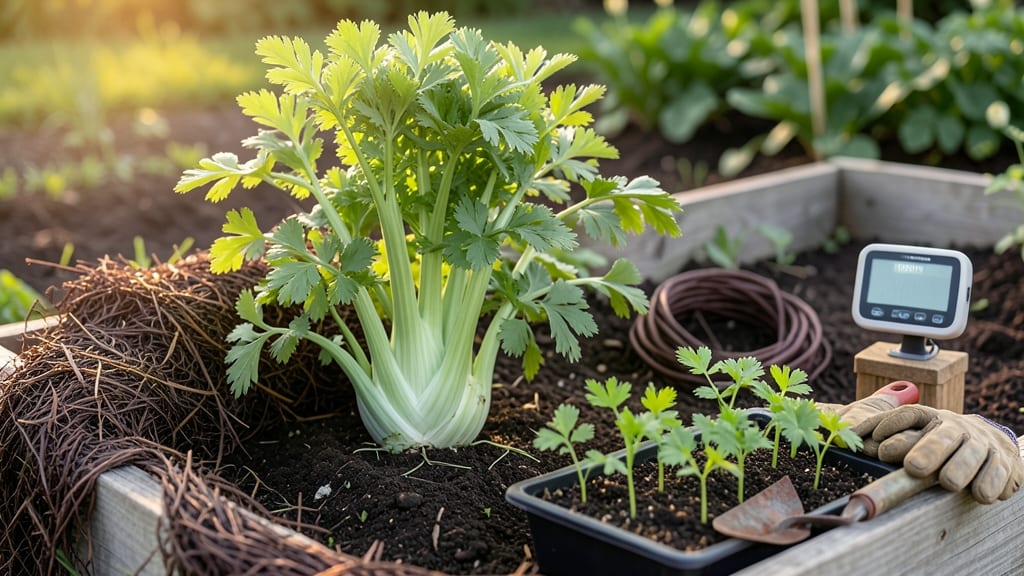
Planting celery in Florida at the wrong time means bitter, stringy stalks—or worse, your plants bolt before you even taste them. The key to crisp, sweet 🥬 celery lies in understanding Florida’s two very different growing zones: coastal humidity and inland heat behave like entirely separate gardens.
Most gardeners assume spring is the only window, but Florida’s frost-free climate lets you grow celery year-round—if you time it right. I’ve learned the hard way that coastal areas near the Gulf can start 3 weeks earlier than inland spots, where summer heat forces a mid-year break.
Let’s break down the exact months that work for your region.
You’ll discover how to avoid the #1 mistake Florida growers make—planting too late in spring and watching their celery bolt before harvest. With the right timing, you can enjoy fresh, homegrown celery from February through December, even in the same soil. Ready to stop guessing and start growing?
The secret isn’t just about months—it’s about soil temperature, shade strategies, and even which celery varieties thrive in Florida’s heat. I’ll show you exactly how to set up your garden for success, whether you’re in Zone 9a or Zone 11. Let’s get those crisp stalks growing!
Optimal Florida celery planting calendar by region: coastal vs inland timing
Florida’s unique climate creates two distinct growing zones for celery: coastal areas with milder winters and inland regions that experience slightly cooler temperatures. Timing is everything—plant too early or late, and your celery will bolt (go to seed) or develop bitter flavors.
Let’s break down the perfect planting windows for each zone to ensure crisp, sweet stalks.
For coastal Florida (like Miami, Fort Lauderdale, and Tampa), the ideal time to plant celery is from mid-February to early April or mid-August to early September. These windows align with soil temperatures between 60°F and 75°F, which celery thrives in.
Inland areas (Orlando, Gainesville, and Ocala) can start slightly earlier, around late January to early March and late July to early August, thanks to cooler nights.
Celery is a cool-season crop, meaning it prefers temperatures below 80°F. In Florida’s heat, even a few degrees above this threshold can trigger bolting. Coastal regions have a shorter window for fall planting because summer heat arrives earlier, while inland areas can extend their fall season slightly longer due to cooler nights.
Here’s the key difference: Coastal celery gets one main growing season (spring), while inland celery can squeeze in a second, smaller harvest in late fall. Understanding these nuances will help you avoid wasted effort and maximize your yield.
| Factor | Coastal Florida | Inland Florida |
|---|---|---|
| Ideal Planting Window | Feb 15 - Apr 1 Aug 15 - Sep 1 |
Jan 25 - Mar 10 Jul 25 - Aug 15 |
| Soil Temperature | 60°F - 75°F | 58°F - 72°F |
| Frost Risk | None (rare) | None (rare) |
| Bolting Risk | High after May 15 | High after Jun 1 |
| Harvest Window | May - Jun Nov - Dec |
Apr - May Oct - Nov |
| Key Challenge | Summer heat arrives early | Extended heat waves |
If you’re planting in North Florida (like Jacksonville or Tallahassee), you’ll notice even cooler nights, which can extend your fall planting window slightly.
However, South Florida gardeners must act fast—once temperatures consistently exceed 80°F, celery growth slows, and bolting becomes inevitable. Use shade cloth (30-50%) during peak summer months to buy extra time if you’re pushing the limits.
For container growing, timing is slightly more flexible. Potted celery can be moved to shaded areas or even indoors during extreme heat, giving you a 4-6 week extension for harvests. Just ensure your pots have drainage holes and use a well-draining potting mix to prevent root rot.
Pro tip: Start seeds indoors 6-8 weeks before your target outdoor planting date. Florida’s humidity can make seed germination tricky, so use a seedling heat mat set to 70°F for consistent results. Transplant seedlings outdoors on a cloudy day or evening to reduce shock.
Remember, soil preparation is just as critical as timing. Celery thrives in loamy, well-draining soil with a pH of 6.0-6.8.
Amend heavy clay soils with compost or peat moss and avoid fresh manure, which can cause bolting. Work in a balanced fertilizer (like 5-10-10) at planting and again when stalks reach 6 inches tall.
By following this region-specific calendar, you’ll avoid the heartbreak of bitter, bolted celery and enjoy crisp, sweet stalks straight from your Florida garden all year. Happy planting! 🥬
Optimal Florida celery planting calendar by region: coastal vs inland timing
Florida’s unique climate creates two distinct growing zones for celery: coastal areas with milder winters and inland regions that experience slightly cooler temperatures. Understanding these differences is key to avoiding bitter bolting and maximizing your harvest.
Coastal Florida (like Miami and Tampa) enjoys warmer soil temperatures year-round, while inland areas (Orlando, Gainesville) have cooler winters that extend the growing season. Both regions benefit from two ideal planting windows—but timing matters to prevent heat stress.
🚨 CRITICAL INSIGHT: Celery thrives when soil temps stay between 55°F and 75°F. Coastal areas hit this sweet spot earlier than inland zones, which can delay planting by 2-4 weeks. Here’s how to align your schedule:
| Region | Best Planting Window | Soil Temp Threshold | Harvest Window | Key Risk |
|---|---|---|---|---|
| Coastal (Miami, Tampa) | Late January–February & August–September | 55°F–75°F (soil) | May–June & November–December | Heat stress after March |
| Inland (Orlando, Gainesville) | Early February–March & August–early September | 55°F–75°F (soil) | May–June & November–December | Fungal diseases in humidity |
For coastal growers, aim to plant January–February to beat the summer heat. Inland gardeners should wait until February–March when soil warms enough to support germination without bolting. Both regions can squeeze in a fall planting (August–September) for a winter harvest.
Pro tip: Use a soil thermometer to confirm temps before sowing. Coastal areas hit 75°F+ by April, forcing celery to bolt prematurely—so act fast! Inland zones stay cooler longer, giving you a 2-week grace period for late February starts.
🌱 Action Step: Mark your calendar for February 1st (inland) or January 15th (coastal) to start seeds indoors. Transplant seedlings when they’re 4–6 inches tall and soil is consistently 60°F+.