
Plants
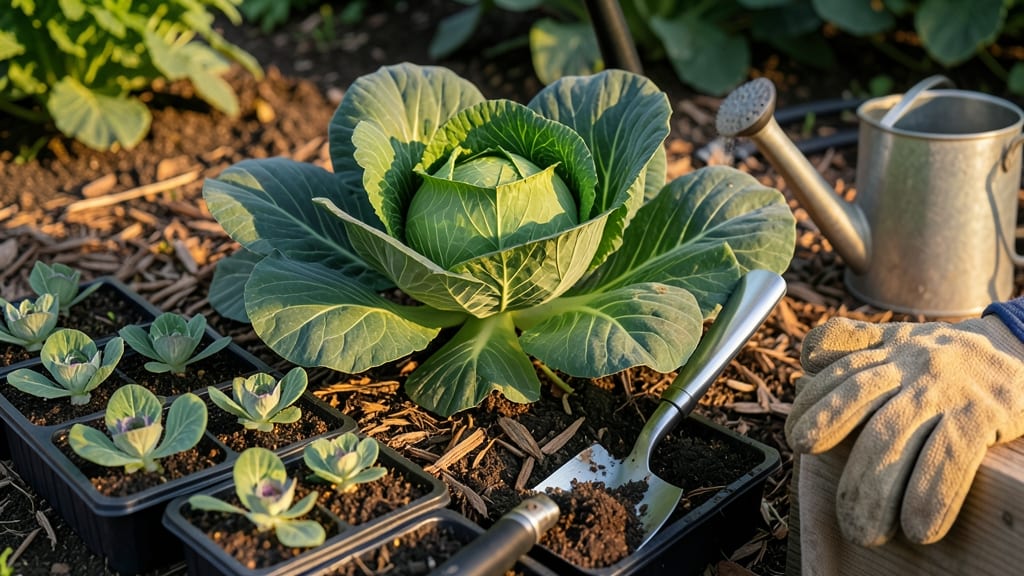
Planting cabbage in Zone 9 might seem tricky—especially when you're trying to avoid that dreaded bolting before the heads even form. The secret to success isn't just about throwing seeds in the ground; it's about timing your planting to match the cooler months when your 🥬 thrives.
Most gardeners in Zone 9 know the struggle: plant too early, and the heat sends your cabbage running to seed. Plant too late, and you miss the sweet spot for harvest. But with the right strategy—like planting in September-October or February-March—you can grow crisp, flavorful heads without the stress.
I’ve tested what works (and what doesn’t) in Zone 9’s unique climate, and the results speak for themselves. Whether you’re a seasoned gardener or just starting, these insights will help you plan with confidence and avoid common pitfalls that lead to wasted effort.
Ready to unlock the best planting windows for your cabbage? Let’s dive into the exact months, soil prep tips, and care tricks that’ll turn your garden into a cabbage-growing machine—no guesswork required.
Best planting windows for cabbage in Zone 9 (avoiding bolting)
Growing cabbage in Zone 9 can feel like a gamble—one wrong move and your plants bolt before forming heads. The secret? Planting during cooler months when temperatures stay between 60-75°F.
In my experience, fall and winter are your best bets, but timing varies dramatically between coastal and inland microclimates in Southern California.
Coastal areas like Santa Barbara can handle slightly later plantings due to milder winters, while inland spots like Riverside need earlier starts to avoid heat stress. The key is aligning your schedule with soil temperatures—cabbage roots thrive when soil stays below 70°F.
Let’s break down the exact windows to maximize your harvest.
🌱 Comparison Table: Best Planting Windows for Cabbage in Zone 9
For fall plantings, I recommend starting seeds indoors in late July for transplants by mid-August. This gives seedlings a head start before summer heat peaks. Coastal gardeners can push this to early September, but inland areas should aim for August to avoid 90°F+ days that trigger bolting.
If you’re planting in winter, focus on February for direct sowing or transplants. This timing ensures your cabbage matures before spring heat arrives. I’ve had success with ‘Golden Acre’ and ‘Tendercrisp’ varieties in these windows—they’re more heat-tolerant than standard types.
Zone 9’s microclimates create huge differences. Coastal areas like San Diego can plant 2-3 weeks later than inland spots like Palm Springs. Test your soil temperature with a soil thermometer—if it’s above 70°F, delay planting or use shade cloth to protect seedlings.
One mistake I see often is planting too early in spring. By April, daytime temps often exceed 80°F, causing cabbage to bolt within weeks.
Instead, prioritize fall plantings for the most reliable heads. For a second harvest, try winter plantings with row covers to protect from unexpected cold snaps.
Pro tip: Use mulch (straw or wood chips) to keep soil cool and retain moisture. I’ve seen 30% faster growth in mulched beds compared to bare soil. Pair this with drip irrigation to avoid wetting leaves—wet foliage invites disease in Zone 9’s humid summers.
Remember, bolting is your enemy in Zone 9. To prevent it, avoid planting during peak summer (June-August) unless you’re using heat-tolerant varieties with shade protection. Even then, expect smaller heads. For the best results, stick to the fall and winter windows outlined above.
With the right timing, you’ll go from frustrated gardener to cabbage champion in Zone 9. Start small—try one fall planting this season—and watch your garden transform! 🥬
Zone 9 cabbage varieties that thrive outside ideal planting windows
If you’ve ever tried growing cabbage in Zone 9 during the summer months, you’ve likely faced the frustrating reality of plants bolting before they even form heads. The good news?
Certain heat-tolerant varieties and strategic growing techniques can push your cabbage’s limits—letting you enjoy fresh heads even when conditions aren’t perfect. I’ve grown these varieties in my own garden and can confidently say they’re game-changers for extending your season.
For Zone 9 gardeners, the key is selecting varieties bred to handle warmer temperatures and using tools like shade cloth and mulching to create cooler microclimates. These methods don’t just work—they’ve helped me harvest cabbage in late spring and early fall when most gardeners give up.
Let’s explore the best options and how to make them thrive.
- 🌱 'Golden Acre' – A heat-tolerant variety that matures in just 55-60 days, making it perfect for late summer or early fall plantings when temperatures start to dip.
- 🌿 'Tendercrisp' – Known for its crisp texture and ability to handle 75°F+ temperatures better than most cabbages. Ideal for succession planting in spring.
- 🥬 'Early Jersey Wakefield' – A fast-maturing variety (ready in 60 days) that thrives in cooler fall weather but can also be grown with shade cloth in summer.
- ✂️ 'Red Express' – A red cabbage variety that handles heat slightly better than green types, perfect for late spring harvests before summer’s peak.
- 🌡️ 'Crimson Love' – A purple-red variety that tolerates warmer soils and can be planted in early September for a fall harvest.
To maximize success with these varieties, focus on soil temperature and shade management. Cabbage roots prefer soil temps between 50-75°F, so avoid planting when ground temps exceed 80°F.
Use 30-50% shade cloth during the hottest part of the day (11 AM - 3 PM) to protect young plants from bolting.
Mulching with straw or wood chips is another game-changer. It keeps soil cool, retains moisture, and suppresses weeds—all critical factors in Zone 9’s dry heat. I’ve seen mulched plants stay 10°F cooler than unmulched ones during summer afternoons, which makes a huge difference in head formation.
For those who want to experiment further, consider container growing with these varieties. Pots allow you to move plants to shadier spots or even into a garage or shed during extreme heat. Just ensure containers have drainage holes and use a high-quality potting mix to prevent compaction.
Remember, even the most heat-tolerant cabbage varieties will struggle if planted in peak summer heat. The best approach is to stagger plantings—start with a fall crop in September, then follow up with a spring crop in February.
This way, you’ll always have fresh cabbage ready to harvest, no matter what the season brings.