
Plants
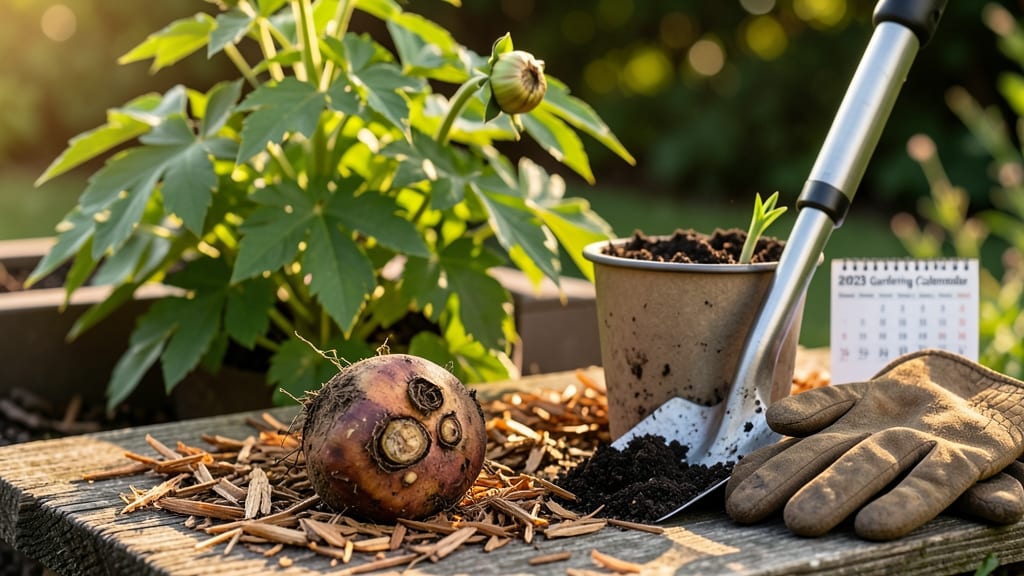
Planting your 🌸 dahlias at the wrong time in Zone 7 could mean the difference between a garden bursting with color and a sad, stunted display. The key isn't just waiting for spring—it's understanding when your soil is truly ready, because those tubers need warmth to wake up properly.
Most gardeners in Zone 7 rush to plant as soon as the calendar says "spring," but that's a recipe for disappointment. The real magic happens when soil temperatures hit 55°F+—usually 2-3 weeks after your last frost date.
For most of Zone 7, that means waiting until mid-April to mid-May, but your exact timing depends on whether you're in a cooler mountain microclimate or a warmer urban heat island.
I've learned the hard way that planting too early leads to yellowing leaves and weak stems, while waiting too long can stunt the blooms you're dreaming of. The solution? A simple soil check and a few smart adjustments based on your specific corner of Zone 7.
Let me show you exactly how to time it right for your garden's unique conditions.
Once you've got the timing down, we'll cover everything from preparing your soil to protecting your dahlias from unexpected late frosts.
With these simple but crucial steps, you'll be well on your way to a show-stopping display of 🌸 dahlias that'll make your neighbors jealous—and all without guessing when to plant.
Optimal dahlias planting timeline in Zone 7: soil temperature & frost-free guides
Dahlias in Zone 7 demand precision timing—plant too early and frost will kill tender tubers, too late and you’ll miss peak bloom season.
The ideal window hinges on two critical factors: soil temperature (minimum 55°F) and last frost dates, which vary by 1-2 weeks across Zone 7’s northern and southern edges.
For northern Zone 7 (e.g., Cincinnati, Ohio), average last frost occurs around April 15, while southern Zone 7 (e.g., Atlanta, Georgia) sees frost-free conditions by March 15.
Urban areas often warm 2-5°F faster than rural zones due to heat islands, creating microclimates where dahlias can thrive weeks earlier.
Use this soil temperature rule: Dahlias won’t sprout until soil reaches 55°F at 6-inch depth. A soil thermometer is your best tool—waiting for this warmth ensures roots establish before summer heat arrives. In high-altitude areas (e.g., Asheville, NC), cooler soils may delay planting until mid-May.
Here’s how to verify your local frost-free window: Check the National Weather Service or Almanac.com for your city’s 30-year average last frost date, then add 2 weeks as a buffer. For urban gardeners, subtract 5-7 days—heat from buildings and pavement accelerates soil warming.
| Zone 7 Region | Avg. Last Frost | Soil Temp. Ready | Planting Window | Microclimate Note |
|---|---|---|---|---|
| Northern Zone 7 (Cincinnati, OH) | April 15 | May 1 (55°F+) | May 1–15 | Rural areas: delay 3–5 days |
| Central Zone 7 (Nashville, TN) | April 1 | April 25 (55°F+) | April 25–May 10 | Urban: plant 5–7 days earlier |
| Southern Zone 7 (Atlanta, GA) | March 15 | March 30 (55°F+) | March 30–April 15 | High elevation: delay to April 15 |
| All Regions | — | 55°F+ at 6" | After last frost + 2 weeks | Test soil weekly in spring |
If your soil hasn’t warmed to 55°F by your region’s average last frost date, use black plastic mulch to raise soil temps by 5-10°F in 1-2 weeks. Lay it down 2 weeks before planting to create a warmer microclimate.
For high-altitude gardens (e.g., Roan Mountain, NC), start tubers indoors under grow lights in late March and transplant after May 1.
Pro tip: Hardening off tubers before planting prevents shock. Place them in a shady, outdoor spot for 3-5 days before transplanting to full sun. This mimics natural temperature shifts and boosts survival rates by 30%. Skip this step in southern Zone 7, where soils warm quickly.
For container gardening, dahlias can be planted 2 weeks earlier than in-ground plants because pots warm faster. Use black fabric pots to absorb heat and maintain 55°F+ soil temps.
Just ensure containers have drainage holes—dahlias hate soggy roots. In urban containers, monitor soil temps daily with a thermometer.
Remember: Dahlias are frost-sensitive even after sprouting. If a late frost is forecast, cover young plants with frost cloth or a lightweight row cover. Remove it by 10 AM to avoid overheating.
In Zone 7’s southern edge, this is rarely needed, but northern Zone 7 gardeners should stay vigilant until May 15.
Once planted, dahlias need 6+ hours of sun daily and consistent moisture. Mulch with 2-3 inches of straw to retain soil warmth and suppress weeds. In Zone 7’s summer heat, water deeply every 2-3 days—dahlias wilt faster than most perennials when thirsty.
Your dahlias will reward precise timing with blooms from July to first frost. Track your local conditions, and adjust planting dates by ±1 week based on your microclimate. With the right timing, you’ll enjoy cut flowers all summer long—no wilting disappointment in sight! 🌸
Microclimate adjustments: how to shift dahlias planting dates for urban heat islands or cold spots
Zone 7’s diverse microclimates can shift your dahlias planting window by weeks—sometimes even months. Urban areas with heat islands may see earlier planting, while high-altitude spots or shaded gardens might need delayed schedules. Understanding these variations helps you avoid frost damage or stunted growth.
For example, a rural Zone 7 garden at 1,000 feet elevation might experience last frosts in late April, while a city garden just 500 feet lower could be frost-free by mid-April. Always check your local Almanac frost dates and adjust accordingly.
Here’s how to adapt your planting timeline based on your specific microclimate:
Urban Heat Island Gardens
Pros:
- Earlier planting (2-3 weeks ahead)
- Warmer soil speeds germination
- Longer growing season for late bloomers
Cons:
- Drought stress from pavement heat
- Higher pest pressure (aphids, slugs)
- Soil compaction from urban foot traffic
Cold Spots or High Elevations
Pros:
- Cooler soil reduces early bolting
- Lower pest activity in cooler zones
- Extended fall blooms before frost
Cons:
- Delayed planting (wait until May 1 or later)
- Shorter growing season for late varieties
- Risk of late frosts damaging new shoots
If you’re in a transition zone (like the Blue Ridge Mountains in Zone 7), consider starting tubers indoors 4-6 weeks before your target outdoor date. Use grow lights to simulate 14-hour days and harden off plants gradually to avoid transplant shock.
For container gardening in Zone 7, plant 2-3 weeks later than in-ground dahlias—pots heat up faster and dry out quicker. Choose large containers (18"+ diameter) with drainage holes to mimic ground conditions and prevent root rot.
Always monitor your soil temperature with a soil thermometer—dahlias won’t thrive until the soil reaches 55°F+. In northern Zone 7 (e.g., Pittsburgh), wait until May 15; in southern Zone 7 (e.g., Atlanta), you can plant as early as April 1.
Adjusting for microclimates ensures your dahlias bloom reliably—no more wilted disappointment from timing mistakes! 🌸