
Plants
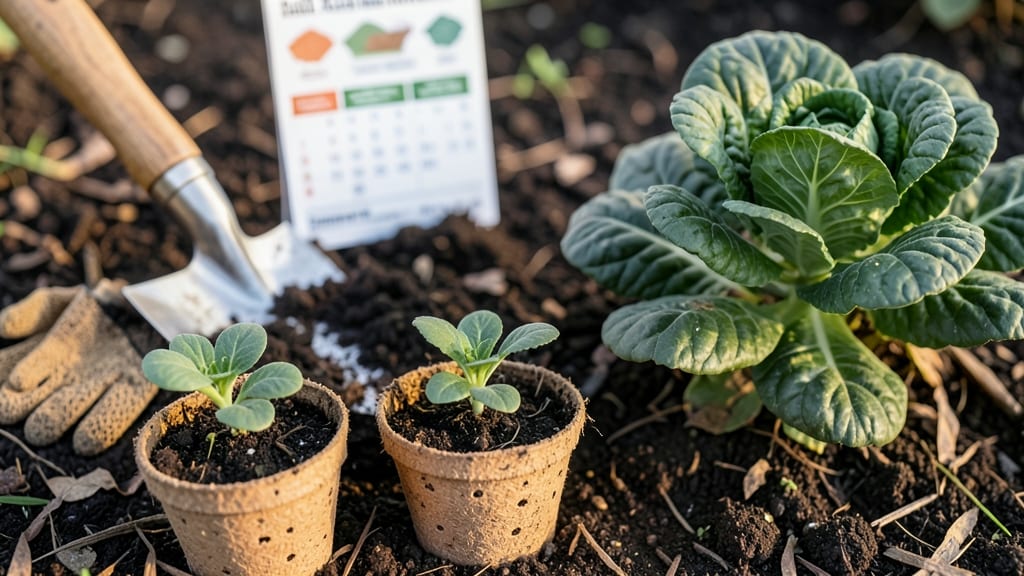
Planting collards at the wrong time in Zone 7b can turn your 🥬 dreams into bitter disappointment—unless you know the exact windows that guarantee sweet, tender leaves. The key? Timing your plantings to avoid summer heat while maximizing fall's cooler days, which is when collards truly shine.
Most gardeners in Zone 7b focus on spring planting, but the real harvest gold comes from late summer starts. By setting seeds between August and early September, you'll catch that sweet spot where nights cool down just enough for collards to thrive without bolting.
This strategy lets you enjoy fresh greens straight through winter.
What makes this work isn't just dates—it's understanding your microclimate. Urban areas might need earlier plantings to escape heat pockets, while rural spots can push it slightly later. I'll show you how to read your local patterns and adjust your schedule for maximum success.
Ready to transform your garden into a collard powerhouse? Let's break down the exact planting windows, soil prep secrets, and frost timing that will have you harvesting 60-75 days after your first seeds hit the dirt—no guesswork, just guaranteed results.
Optimal planting windows for collards in Zone 7b: fall vs. spring timing
Collards are one of my favorite cool-season crops because they deliver sweet, tender leaves when planted at the right time. In Zone 7b, timing is everything—plant too early, and you risk bolting from heat stress; too late, and frost cuts your harvest short.
The key is understanding the two ideal windows: early spring and late summer/fall.
For most gardeners in Zone 7b, the best harvest window falls between October and December. This means your fall planting should happen 4-6 weeks before the first frost (typically mid-November). If you miss that window, don’t worry—spring plantings in March or early April still yield delicious greens by summer.
Here’s the catch: Urban vs. rural microclimates can shift these windows by 2-3 weeks. Cities like Raleigh or Richmond often experience urban heat islands that delay fall cooling, while rural areas may see earlier frosts. Let’s break down the exact dates and adjustments you need to make.
| Planting Window | Ideal Months (Zone 7b) | Microclimate Adjustments | Key Considerations |
|---|---|---|---|
| Early Spring | March 15 - April 15 |
|
|
| Late Summer/Early Fall | August 1 - September 15 |
|
|
| Succession Planting | Every 3 weeks (Aug-Oct) | All microclimates |
|
If you’re planting in late summer (August), watch for heat stress symptoms like yellowing leaves or stunted growth. I’ve found that shade cloth (30-50%) during the hottest hours can make a huge difference. For urban gardens, drip irrigation at night helps cool the soil and roots, preventing bolting.
Spring plantings should start when soil temperatures hit 50°F, but don’t rush—cool nights in March can slow germination. I recommend hardening off seedlings for 7-10 days before transplanting to avoid shock. For rural areas with cooler nights, you can plant 2 weeks earlier than urban zones.
One of my biggest lessons? Don’t plant collards in late September unless you’re in a protected microclimate. The risk of early frost (as soon as October 15) means your plants won’t mature. Instead, opt for fast-maturing varieties like ‘Georgia Southern’ or ‘Top Bunch’ if you’re pushing the envelope.
For a continuous harvest, I stagger plantings every 3 weeks from August through September. This ensures you always have mature leaves ready to pick, even as temperatures drop. Just remember: thin seedlings to 12-18 inches apart to prevent competition and improve airflow.
Pro tip: Use a soil thermometer to confirm readiness—collards thrive when soil temps stay between 60-75°F. If your garden runs hotter, amend soil with compost to improve moisture retention and cool the root zone naturally.
Finally, mark your calendar for November 15, the average first frost date in Zone 7b. If you’ve got young plants still growing, protect them with row covers or move pots indoors to extend the season. With the right timing, you can enjoy homegrown collards well into December!
Microclimate adjustments: how urban heat islands affect collard growth in Zone 7b
Urban heat islands can raise soil temperatures by 5-10°F in city gardens, creating microclimates that drastically alter collard growth patterns. If you're planting in asphalt-heavy neighborhoods or near tall buildings, your collards may experience heat stress even when rural areas are ideal.
I’ve adjusted my planting schedule based on these variations to ensure sweet, tender leaves instead of bitter, wilted ones.
In Zone 7b urban gardens, the soil warms faster than in rural areas, meaning your August planting window might need to shift 2-3 weeks earlier. I’ve found that planting late July instead of early August gives my collards a head start before the September heat spike.
This adjustment also helps avoid the late-summer bolting that ruins flavor.
Wind exposure further complicates timing. Exposed urban areas with high winds dry out soil faster, so I plant windbreaks (like corn stalks or tall sunflowers) to create a microclimate buffer. For protected spots, I delay planting by 1 week to let summer heat dissipate naturally.
🌡️ Zone 7b Collard Planting Adjustments by Microclimate
| Microclimate Type | Adjust Planting By | Key Action |
|---|---|---|
| Urban Heat Pocket | 1-2 weeks earlier | Plant by late July for fall harvest |
| Wind-Exposed Site | 1 week later | Add windbreaks or use row covers |
| Shaded Urban Garden | 1 week earlier | Extend sunlight with reflective mulch |
💡 Pro Tip: Use a soil thermometer—ideal planting temp is 55-65°F.
To extend your harvest, I’ve started using succession planting in early September for a second crop. The cooler autumn temperatures in Zone 7b allow collards to recover from summer heat, and I’ve had success with 3-4 week intervals between plantings.
This ensures fresh leaves through December, even in mild winters.
For soil temperature management, I’ve switched to black plastic mulch in urban beds to absorb heat during the day and radiate it back at night. This keeps roots 5-10°F warmer than bare soil, which is crucial for slow-growing collards in early fall.
I also water deeply in the evening to cool the soil gradually.
If your garden sits in a heat pocket, consider shade cloth (30-50%) during peak afternoon sun to prevent leaf scorch. I’ve seen collards bolt prematurely when exposed to 90°F+ soil temps, so this simple adjustment can save your crop.
Pair it with drip irrigation to maintain even moisture.