
Companion Plants
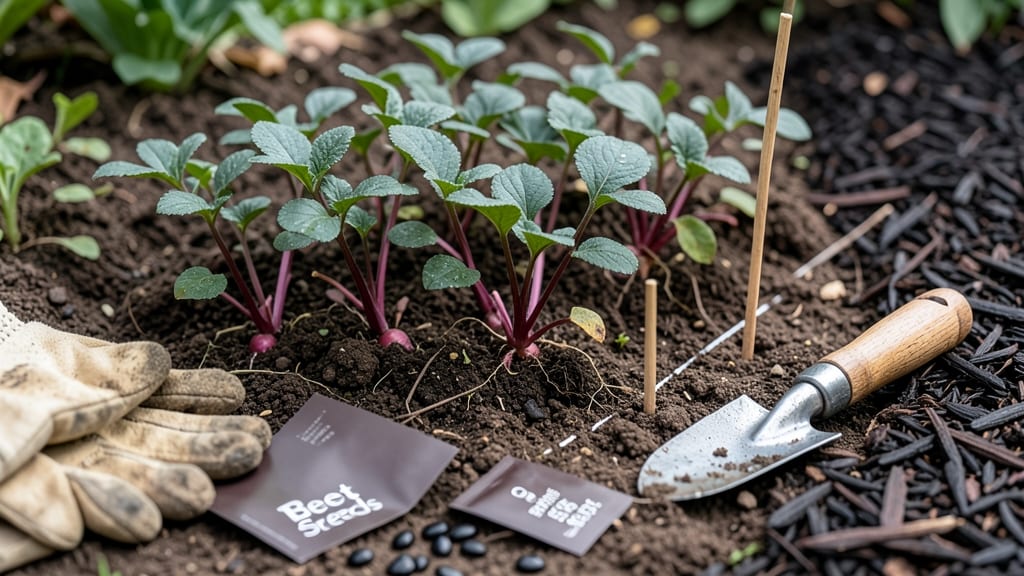
Planting beets in Zone 7 at the wrong time can turn your crisp, sweet 🍠 harvests into tough, bitter disappointments—and the perfect window is narrower than you might think.
Most gardeners assume late spring is the only game in town, but in Zone 7, you’ve actually got two prime chances to grow these earthy roots: early spring (March-April) and late summer (July-August). The key? Timing it right around frost dates and soil warmth to avoid bolting or stunted growth.
I’ve learned the hard way that planting too early can mean woody roots, while waiting too late risks heat stress. Let me show you exactly when to sow seeds for perfect harvests in May-June and September-October, plus how to adjust for your local microclimate.
Whether you’re a first-time gardener or a seasoned green thumb, these insights will help you grow beets that are tender, sweet, and ready to harvest at their peak—no guesswork required.
Zone 7 beet planting calendar: ideal dates for spring and fall harvests
Timing your beet harvest in Zone 7 can mean the difference between sweet, tender roots and tough, woody failures. Beets thrive in cool weather and consistent moisture, so planting too early or late can trigger bolting or poor growth.
Understanding your last frost date (March 15–April 15) and first frost date (October 15–November 15) is critical for success. With the right schedule, you can enjoy a spring harvest by June and a fall harvest by October.
For most Zone 7 gardeners, the best time to plant beets is in early spring (March–April) or late summer (July–August). Early varieties like 'Detroit Dark Red' or 'Golden' can handle cooler soils, while heat-tolerant types like 'Chioggia' or 'Cylindra' perform better in late summer plantings.
I’ve found that starting seeds indoors 4–6 weeks before the last frost gives seedlings a head start, but direct sowing works just as well for many varieties.
Here’s the key: Beets prefer soil temperatures between 50°F and 75°F. If you plant too early, cold soil can stunt germination, while late plantings may lead to bolting as days lengthen.
The 60-day rule is my go-to guideline—plant seeds so they’ll mature before summer heat sets in or before the first frost arrives. For example, a May 1 planting in Zone 7 should yield harvest-ready beets by late June or early July.
Fall plantings are often overlooked but can be just as productive. In Zone 7, sowing beets in late July or early August ensures they mature before the first frost.
I’ve had great success with 'Early Wonder' and 'Ruby Queen' in fall plantings—they tolerate cooler soils and produce sweet roots even as temperatures drop. The key is to aim for a 60–70 day harvest before frost hits. For example, a July 20 planting should yield beets by early October.
Succession planting is another trick I rely on to extend my harvest. Instead of sowing all seeds at once, I plant every 2–3 weeks from March through July. This ensures a steady supply of fresh beets and reduces the risk of bolting from heat stress.
For example, if you plant your first batch on March 15, follow up with seeds on April 1, April 15, and May 1 to stagger your harvest through July.
Don’t forget to prepare your soil before planting. Beets prefer loamy, well-draining soil with a pH between 6.0 and 7.0. Mix in 2–3 inches of compost or aged manure to improve fertility and moisture retention.
I also recommend adding a balanced fertilizer (5-10-10) at planting time to encourage strong root development. Avoid over-fertilizing with nitrogen, as it can lead to leafy growth at the expense of root size.
One common mistake I see is planting beets in full summer heat. When soil temperatures exceed 80°F, germination slows, and seedlings may bolt prematurely. To combat this, I use shade cloth (30–50%) over newly sown seeds until they establish.
For late summer plantings, I also water deeply in the early morning to keep soil temperatures cooler and reduce stress on young plants.
Finally, keep an eye on your beet greens—they’re edible too! If you notice the tops turning bitter or flowering, it’s a sign the roots are becoming woody. Harvest beets when they’re 1–3 inches in diameter for the sweetest flavor.
In Zone 7, this usually means May–June for spring plantings and September–October for fall plantings. With the right timing, you can enjoy fresh beets for nearly half the year!
Microclimate adjustments: how elevation, soil, and sunlight shift planting times
Zone 7’s 165 frost-free days give you flexibility, but your local microclimate can shift ideal planting windows by 2-4 weeks. A garden in the Piedmont region might need earlier sowings than one in the Appalachian foothills, where cooler nights delay soil warming.
Even urban heat islands can push spring plantings 10 days earlier than rural areas.
Let’s break down how to adjust your beet planting schedule based on three key factors: elevation changes, soil type, and sunlight exposure. These tweaks can mean the difference between bolting and perfect harvests.
🌱 Elevation matters: Every 1,000 feet gain in elevation drops temperatures by 5°F. If you’re at 2,000 feet in Zone 7, push spring plantings back by 2 weeks (aim for April 1–15 instead of March 15–30). Conversely, low-lying areas can start 10 days earlier.
🌡️ Microclimate Adjustments for Zone 7 Beets
| Factor | Adjustment | Example Scenario |
|---|---|---|
| Elevation | +10 days per 1,000 ft | 1,500 ft → Plant April 1–15 |
| Clay Soil | Delay by 10–14 days | Heavy clay → Wait for 55°F soil |
| Partial Shade | Extend window by 2 weeks | 4–6 hrs sun → Sow March 20–April 10 |
| Urban Heat Island | Start 10 days early | Pavement nearby → Plant March 5–20 |
🌱 Pro Tip: Use a soil thermometer—beets need 45–55°F soil to germinate.
💧 Soil type affects planting timing too. Sandy soil warms faster, letting you plant 2 weeks earlier than clay-heavy soils, which stay cold longer. Test your soil’s warmth: Press seeds into soil that feels like a warm bath (not cold). If it’s below 45°F, wait.
✂️ Sunlight exposure is another game-changer. Beets need 6+ hours of sun, but partial shade (4–6 hours) extends your planting window. In shaded gardens, start seeds 2 weeks later than full-sun areas to avoid bolting from heat stress.
🌿 For fall harvests, adjust based on your first frost date. If your area frosts by October 15, sow seeds by July 15 for a September–October harvest. Use shade cloth in late summer to prevent bolting if temps climb above 80°F.