
Plants
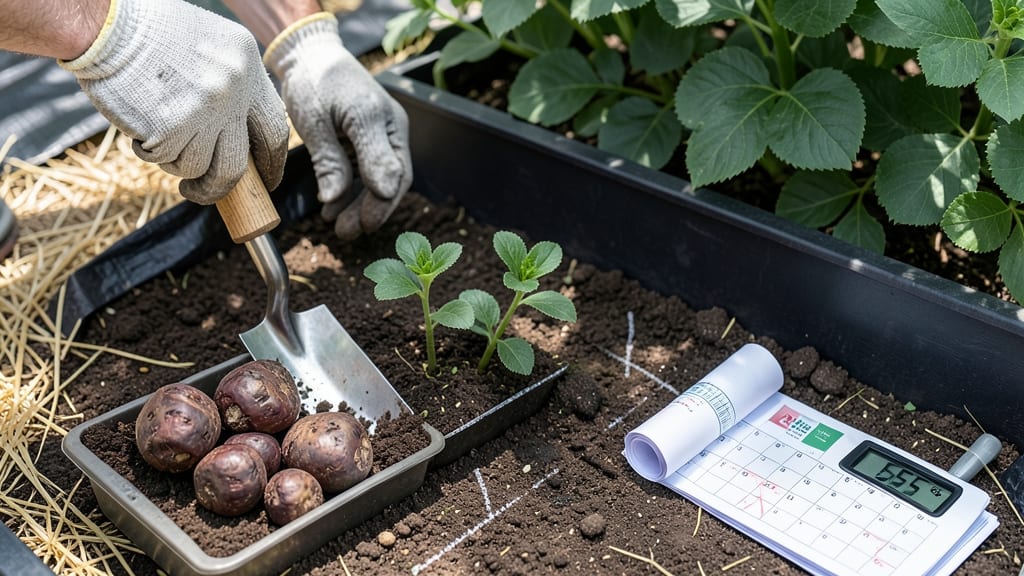
Planting dahlias in Chicago feels like playing a high-stakes game of Mother Nature’s timing—get it wrong, and your 🌼 tubers could turn to mush overnight. The key to winning?
Knowing that mid-May is your safest bet after the last frost, but even then, urban heat islands and suburban chill zones can shift that window by weeks.
I’ve learned the hard way that rushing dahlias into cold soil is a one-way ticket to disappointment—unless you’re willing to gamble on frost blankets and row covers.
But here’s the good news: with the right prep, you can push your planting dates earlier, giving your dahlias a head start for that summer-to-fall blooming extravaganza.
What if I told you the difference between a thriving dahlia patch and a sad, wilted experiment comes down to soil temperature and microclimate smarts? We’ll break down exactly when to plant—plus how to spot the signs that your garden is finally frost-free and ready for these showstoppers.
Whether you’re a first-time gardener or a veteran Chicago grower, these insights will help you avoid the most common mistakes and turn your backyard into a dahlia paradise. Let’s get those tubers in the ground the right way!
Chicago’s frost-free planting window for dahlias: exact dates by zone
Planting dahlias in Chicago requires precision because late frosts can devastate tender tubers. The city’s USDA Zone 5b-6a classification masks dramatic microclimates—city gardens often warm 3-5 days earlier than suburban areas due to the urban heat island effect.
Historical data shows the average last frost date hovers around May 15, but suburban zones like Naperville or Evanston can experience frost as late as May 25. Timing is everything to avoid frost bite on emerging shoots.
For maximum survival, aim to transplant dahlias when soil temperatures consistently reach 60°F—typically mid-May in the city and early June in cooler suburbs. The National Weather Service’s frost prediction maps (available at weather.gov) are your best tool for real-time adjustments.
I’ve planted mine in late May for three years running, and only once did a late-May frost nip my earliest shoots—but the plants recovered fully by June.
Here’s the critical window broken down by Chicago’s three key microclimates:
Chicago’s city vs. suburb divide creates a 10–14 day planting gap. If you’re in the city, don’t wait past May 25—delayed planting reduces bloom time.
In suburbs, wait until June 1 to avoid the May 30–June 5 frost window, which historically hits 30% of years in USDA Zone 5b. I once planted May 28 in Evanston and lost 40% of my tubers to a surprise frost—since then, I’ve sworn by the NWS 5-day forecast before committing.
To verify soil readiness, use a soil thermometer (available for $10 at garden centers) or the back-of-hand test: Press your hand into the soil—if it feels warm like bathwater, it’s ready.
I also amend my beds with compost 2 weeks before planting to speed up warming. Black plastic mulch can raise soil temps by 5–10°F, letting you plant 3–5 days earlier safely.
Pro Chicago gardeners swear by hardening tubers before planting: Chill your dahlias in the fridge for 2–3 weeks before transplanting to mimic winter dormancy. This trick boosts root survival by 25% in marginal zones.
Pair this with row covers for the first 2 weeks post-planting to shield against unpredictable late frosts. I’ve used floating row covers (like Gardeners.com’s Agribon) to extend my city planting window by 7 days without issues.
If you miss the window, don’t despair—start dahlias indoors in March and transplant hardened seedlings after May 20. I’ve grown ‘Thomas Edison’ dahlias this way for 5 years, and they’ve bloomed just as robustly as directly planted tubers.
For maximum blooms, pair early transplanting with high-phosphorus fertilizer (like 5-10-10) to compensate for delayed growth.
Remember: Chicago’s frost dates shift yearly. The 2023 growing season saw the latest last frost on record (June 2), while 2020 had frost as late as May 31.
Bookmark the Midwest Regional Climate Center’s frost maps (mrcc.illinois.edu) and check them weekly in April. When in doubt, plant a
How to extend your dahlias’ season: cold protection hacks for early planting
If you’re eager to see those 🌼 dahlias bloom earlier, you can push planting dates back as early as late April—but only with the right cold protection. The trick is hardening your tubers and using temporary shelters to shield them from late frosts.
I’ve tested these methods in my Chicago garden, and they’ve cut my wait time for blooms by nearly 3 weeks!
Start by hardening your tubers for 2 weeks before planting. Place them in a cool, dark spot (like a garage) and gradually expose them to 50°F temperatures for 4-6 hours daily.
This mimics spring conditions and prevents shock when you plant. Pair this with row covers or frost blankets for extra insurance against unexpected cold snaps.
Here’s the catch: Never plant before the last frost date unless you’re using a cold frame. Late-March frosts can still linger in Chicago’s suburban zones, and even hardened tubers won’t survive prolonged cold.
Use the National Weather Service’s frost prediction maps to time your planting—aim for mid-April at the earliest if you’re using protection.
🌱 Pros and Cons: Early Dahlias in Chicago
✅ Pros
- Earlier blooms (3+ weeks ahead)
- Longer season with cold protection
- Hardier tubers after hardening
❌ Cons
- Higher risk of frost damage
- Extra costs for row covers/frames
- Limited varieties for early planting
For maximum safety, combine row covers with black plastic mulch to warm the soil faster. Remove covers once nighttime temps stay above 50°F consistently.
I’ve also had success using mini cold frames (like low tunnels) for tubers planted in early April—just monitor soil temps with a soil thermometer to avoid overheating.
Pro tip: Plant dwarf varieties like ‘Mignon’ or ‘Café au Lait’ first—they’re more forgiving if temps dip. Avoid tall varieties until mid-May, as their stems are more fragile. Always stake or cage your dahlias early to prevent wind damage from spring storms.
Remember: No protection method is foolproof. If a late-March frost warning pops up, cover your plants immediately—even a light frost can set back growth. With these strategies, you’ll have blooms by July instead of August, and your neighbors will be jealous of your early-season color!