
Plants
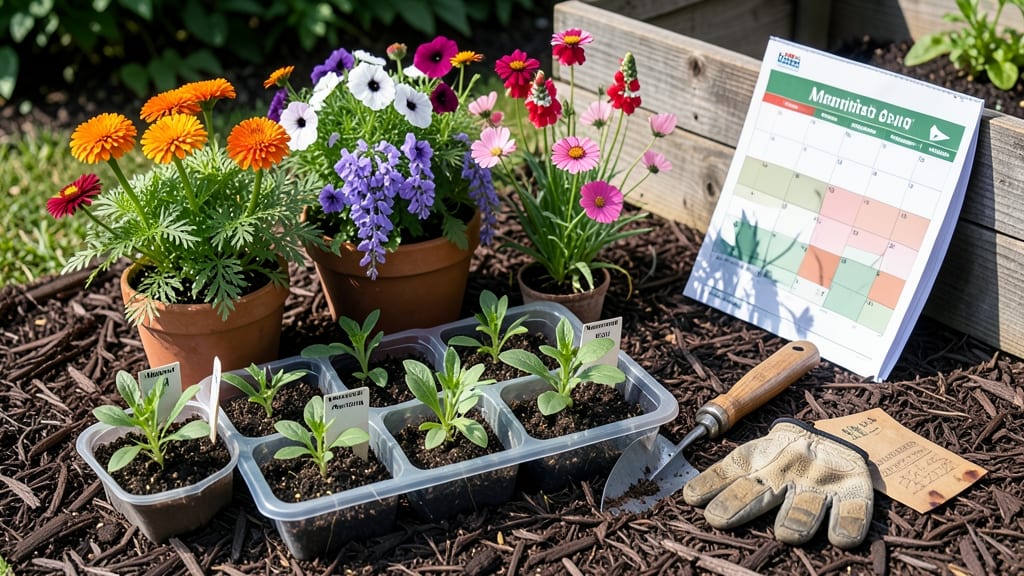
Planting annuals 🌸 in Maryland at the wrong time can mean the difference between a vibrant garden and a sad, frost-killed disappointment. The key to success lies in understanding your local frost dates and microclimates—whether you're in Baltimore's urban heat islands or the cooler Piedmont regions.
Most Maryland gardeners know the general rule: wait until after the last frost date, which typically lands around April 15 for most of the state. But what you might not realize is that even a few days' difference can impact your warm-season annuals like tomatoes or marigolds.
In this guide, I'll break down the exact planting windows for both spring and fall, including region-specific adjustments. You'll learn how to extend your growing season, choose the right varieties for your microclimate, and avoid common mistakes that waste time and money.
Whether you're a beginner or a seasoned gardener, these insights will help you maximize your annuals' potential. Let's get those seeds in the ground at the perfect moment!
Maryland’s frost-free planting zones: when to start annuals by region
Maryland’s diverse climate means your annual flowers and vegetables can thrive—or freeze—depending on where you live. The state spans USDA Zones 7a-8a, but microclimates create huge differences.
For example, Baltimore’s last frost often arrives by April 15, while the Eastern Shore may see frost-free soil by March 20. Understanding these regional differences is key to avoiding those heartbreaking frost-killed seedlings.
Whether you’re planting cool-season crops like lettuce or heat-loving annuals such as basil, timing matters. The Piedmont region tends to have later frosts, while Western Maryland can experience earlier warmth.
Below, I’ve broken down the last frost averages for Maryland’s five key regions, plus the best planting windows for your favorite annuals.
| Region | Last Frost Date | First Frost Date | Cool-Season Planting Window | Warm-Season Planting Window |
|---|---|---|---|---|
| Eastern Shore (e.g., Salisbury) | March 20 - April 5 | October 20 - November 5 | March 1 - April 15 | April 15 - May 10 |
| Baltimore/DC Metro (e.g., Annapolis) | April 1 - April 15 | October 25 - November 10 | March 15 - April 30 | April 15 - May 15 |
| Western MD (e.g., Frederick) | April 5 - April 20 | October 15 - November 1 | March 20 - May 1 | April 20 - May 20 |
| Piedmont (e.g., Frederick County) | April 10 - April 25 | October 10 - October 25 | March 25 - May 5 | May 1 - May 25 |
| Allegany Highlands (e.g., Deep Creek Lake) | April 20 - May 5 | October 5 - October 20 | April 1 - May 15 | May 15 - June 1 |
If you’re growing cool-season annuals like pansies or spinach, start seeds indoors 4-6 weeks before your region’s last frost date. For example, in Western Maryland, that means sowing by March 1 for outdoor planting by April 10.
Meanwhile, warm-season plants such as tomatoes or marigolds need to wait until soil temperatures hit 60°F, which typically happens 2-4 weeks after your last frost.
Pro tip: Use frost cloths or row covers to extend your spring planting window by 2-3 weeks if a late frost threatens. I’ve successfully grown basil in Baltimore by covering seedlings until May 1. Just remove covers by 10 AM to avoid overheating.
For fall planting, aim to sow cool-season annuals like kale or cosmos by August 15 in most regions. The Eastern Shore can push this to September 1 due to its milder climate.
Always check soil temperature—it should stay above 50°F for 4-6 weeks before the first frost to ensure germination.
Urban gardeners in Baltimore’s city core often experience 2-3°F warmer microclimates than rural areas, thanks to the urban heat island effect. This means you can plant heat-sensitive annuals like basil a week earlier than suburban neighbors.
Test your microclimate by monitoring frost dates for 3 years—your local garden center’s averages may not match your specific yard.
One common mistake? Planting warm-season annuals too early. Tomatoes or peppers sown before May 1 in Western Maryland often rot in cold, wet soil. Instead, start these indoors by March 15 and transplant after May 15 for best results.
For containers, adjust timing by 1-2 weeks later since pots cool faster.
Always pair planting dates with soil prep. Amend beds with compost 2 weeks before planting to improve drainage, especially in clay-heavy soils common in Piedmont. And remember: succession planting every 2-3
How to extend your planting season in Maryland’s unpredictable climate
Maryland’s spring and fall frosts can cut your growing season short, but with the right strategies, you can push those limits. Whether you’re growing heat-loving tomatoes or cool-season lettuce, extending your season means more harvests and vibrant blooms.
The key lies in seasonal adjustments like frost protection, succession planting, and selecting the right varieties for Maryland’s humid summers.
Don’t let early frosts or late heatwaves ruin your garden. By combining 4-week transplanting rules, hardening-off techniques, and smart plant choices, you can enjoy a longer, more productive growing season.
Let’s explore how to beat Maryland’s unpredictable weather and keep your annuals thriving from early spring to late fall.
🌱 5 Proven Ways to Extend Your Planting Season
- Use frost cloths to protect tender seedlings from late spring frosts (apply when temps drop below 32°F).
- Build cold frames for early starts—extend spring planting by 2-3 weeks and fall harvests by 4 weeks.
- Practice succession planting: Sow seeds every 2 weeks for continuous harvests (e.g., bush beans or zinnias).
- Hardening off seedlings for 7-10 days before transplanting boosts survival rates in Maryland’s fluctuating temps.
- Choose heat-tolerant varieties like cosmos or sweet potatoes that thrive in Maryland’s 90°F+ summers.
One of the simplest ways to extend your season is by starting seeds indoors 4-6 weeks before the last frost date. For Maryland, this typically means mid-March to early April for cool-season crops like kale or spinach.
Use grow lights if natural light is limited, and keep seedlings in 60-65°F conditions to prevent legginess. When transplanting outdoors, follow the 4-week rule: move seedlings outside for 2 hours/day, gradually increasing exposure.
For fall planting, focus on heat-tolerant annuals that can handle Maryland’s late-summer humidity. Varieties like marigolds and basil thrive in 80°F+ soil, while pansies and calendulas can survive light frosts. Plant these in late July to early August for a fall bloom that lasts until first frost.
Use mulch to regulate soil temperature and retain moisture, especially in urban heat islands.
Don’t overlook cold frames or low tunnels—these simple structures can add 2-4 weeks to your growing season. Place them over leafy greens or herbs in early spring or late fall to shield plants from 28°F+ temps.
For extra protection, layer frost cloth over the frame. Pair this with succession planting (e.g., sowing radishes every 10 days) to ensure a steady harvest.
Timing is everything in Maryland’s climate. Hardening off seedlings properly is critical—expose them to outdoor conditions for 1-2 hours/day, increasing duration over 7-10 days. This prepares plants for wind, sun, and temperature swings common in Maryland’s transition seasons.
Pair this with drip irrigation to avoid stress from uneven watering, and your transplants will thrive even in unpredictable weather.
With these strategies, you’ll turn Maryland’s short growing season into a year-round gardening adventure. Whether you’re growing edible flowers for salads or sunflowers for pollinators, extending your season means more time to enjoy your garden’s bounty.
Start small, experiment with microclimate adjustments, and watch your annuals flourish beyond the typical frost dates.