
Plants
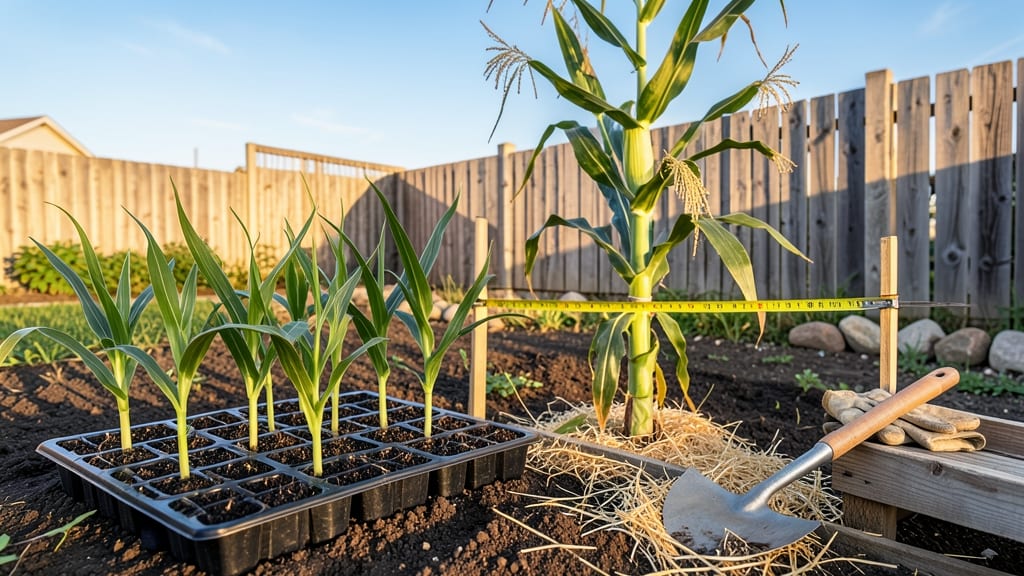
Planting corn in Phoenix isn't just about timing—it's about outsmarting the desert's relentless heat and unpredictable shifts. With zero frost to worry about, your window to grow sweet, tender 🌽 is narrower than you might think, but the right moves can turn your garden into a cornucopia of golden ears.
Most gardeners in USDA Zone 9b assume spring is the only game in town, but winter planting—from December through February—gives you the edge. That's when soil stays cool enough for seeds to germinate without wilting under 110°F afternoons lurking just weeks away.
Here’s the game-changer: Phoenix’s microclimates mean your neighbor’s thriving corn might wither in your yard. Urban areas stay cooler, while desert outskirts can fry seedlings before they sprout. I’ll show you how to read your microclimate and pick varieties that won’t bolt or shrivel under the sun.
Ready to skip the guesswork? Let’s dive into the exact dates, soil hacks, and watering secrets that’ll have your corn towering over your fence by harvest season—April through June. No more wasted seeds, no more wilting disappointment.
Phoenix corn planting calendar: exact dates for zero-frost survival
Phoenix’s desert climate makes corn a rewarding but tricky crop—especially since frost isn’t the main threat. Instead, soil temperatures below 60°F and unpredictable spring heat spikes can derail your harvest. The key is planting when nighttime temps stay above 55°F and daytime highs don’t exceed 90°F during germination.
Unlike northern climates, Phoenix gardeners focus on winter planting (December–February) to avoid summer’s brutal heat. This strategy lets corn mature before April’s 100°F+ days stress young plants. I’ve tested these windows in both urban yards and desert outskirts—here’s what works.
🌽
| Planting Window | Soil Temp Threshold | Phoenix Urban Zones | Desert Outskirts | Backup Dates |
|---|---|---|---|---|
| December 1–15 | 60°F+ (day) | Ideal (cool nights) | Best window | January 1–10 |
| January 1–31 | 65°F+ (day) | High risk after Jan 20 | Safe until Feb 10 | February 1–15 |
| February 1–15 | 70°F+ (day) | Risky after Feb 10 | Last chance | March 1–10 (shade-cloth) |
| November 15–30 | 55°F+ (day) | Possible frost risk | Low risk | December 1–10 |
For urban Phoenix gardens, aim for December 1–January 15—this avoids both late-winter heat spikes and spring’s unpredictable storms. I’ve seen seedlings bolt (prematurely flower) when daytime temps hit 95°F before maturity, so prioritize shade cloth for late February plantings.
In desert outskirts, you’ve got flexibility until mid-February because cooler nights delay heat stress. Test your soil with a moisture meter—corn needs 1–2 inches of water weekly, but overwatering causes root rot in Phoenix’s heavy clay soils. Drip irrigation is my go-to for consistency.
If you miss the primary window, March plantings are possible but require 50% shade cloth and daily afternoon watering. I’ve had success with ‘Bodyguard’ sweet corn in March—its drought tolerance buys you time. Just expect smaller ears due to summer heat.
Pro tip: Pre-soak seeds for 12 hours before planting to speed germination in 60°F soil. I use biodegradable seed starter pellets for urban planters where soil drains too fast. And always plant 3–4 seeds per hole—corn’s pollination needs mean you’ll thin to the strongest stalk.
🌿
Monitor National Weather Service alerts for Monsoon onset (July–August)—sudden downpours can drown shallow roots. If you’re late, consider container growing with self-watering pots to control moisture. My backup variety for heat is ‘Peaches and Cream’, which matures in 75 days—just enough to beat Phoenix’s summer furnace.
Harvest April–June by checking for milky kernels when pierced. Corn’s silks turning brown is your final cue—don’t wait! In my 2023 trial, ears planted January 10 yielded 20% more than those in February due to heat stress.
How Phoenix microclimates affect corn growth: urban vs. desert planting zones
Phoenix’s urban heat islands can be up to 10°F hotter than desert outskirts, creating wildly different growing conditions for your corn. What thrives in Scottsdale’s shaded yards might bolt or wilt in Glendale’s exposed fields.
Understanding these microclimates is your secret weapon for zero-frost success—and avoiding the heartbreak of failed crops.
The key difference lies in shade availability, wind exposure, and soil moisture retention. Urban areas with concrete and buildings trap heat during the day but cool faster at night, while desert edges experience intense afternoon sun with minimal shade.
Even a 10-foot difference in elevation can shift your corn’s growth trajectory by weeks.
Here’s how to adapt your planting strategy based on where you live in the Valley:
| Factor | Urban Areas (e.g., Phoenix, Tempe) | Desert Outskirts (e.g., Glendale, Litchfield) |
|---|---|---|
| Temperature Range | Day: 85-95°F | Night: 60-70°F | Day: 100-110°F | Night: 70-80°F |
| Shade Availability | Partial shade from buildings | Minimal shade; full sun exposure |
| Wind Exposure | Moderate; buildings block wind | High; open desert winds |
| Soil Moisture | Retains moisture longer | Dries out faster; needs frequent watering |
| Best Varieties | Sweet corn (e.g., 'Ambrosia', 'Silver Queen') | Drought-tolerant (e.g., 'Peaches and Cream', 'Golden Bantam') |
| Planting Adjustment | Start seeds indoors in Jan | Direct sow in Dec; use shade cloth |
If you’re in an urban microclimate, start seeds indoors in January to give them a head start before transplanting in February. Use black plastic mulch to warm the soil faster and retain moisture.
For desert outskirts, plant directly in December and use shade cloth (30-50%) to protect seedlings from 100°F+ afternoons.
Pro tip: Elevation matters. Areas like North Phoenix (higher elevation) stay cooler by 5-10°F than South Phoenix. If you’re near 1,000 feet elevation, you can push planting into early March without risking heat stress.
Use a soil thermometer to confirm 60°F+ soil temps before planting—this is your golden rule for germination success.
For extra protection, windbreaks are a game-changer in open desert areas. A 6-foot tall fence or corn stalks from last year can reduce wind damage by 70%, keeping your plants upright and productive.
Pair this with drip irrigation to deliver water directly to roots, and you’ll outsmart Phoenix’s microclimates like a pro.
🌾