
Plants
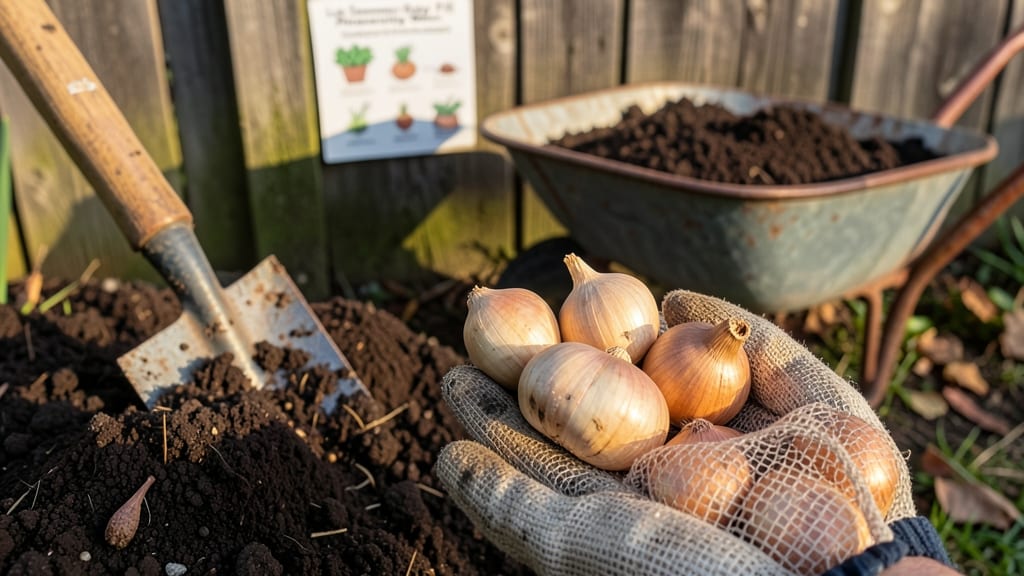
Planting daffodils in Minnesota isn't just about timing—it's about outsmarting the unpredictable frosts that can turn your garden dreams into a winter disappointment. The secret to those cheerful 🌼 blooms peeking through snow? Getting those bulbs in the ground 6 weeks before frost, typically between September and October.
I’ve learned the hard way that waiting too late means bulbs rot before winter, while planting too early can leave them vulnerable to pests. Minnesota’s USDA Zones 3-5 demand precision, especially when northern regions freeze sooner than the southern Twin Cities.
But don’t stress—with the right window, your daffodils will store up energy all winter, ready to burst into color by April or May.
What if you miss the fall window? Spring planting is possible, but it’s a gamble against our early freezes. I’ll show you how to adjust for your exact location, whether you’re in the Iron Range or the metro area, and which cold-hardy varieties actually thrive here.
Let’s make sure your garden becomes the envy of the neighborhood—no frost-related surprises included.
The key isn’t just when you plant, but how you prep the soil and protect those bulbs. I’ll walk you through the step-by-step process so you can plant with confidence, even when Minnesota’s weather throws curveballs. Ready to turn your yard into a springtime showstopper?
Best planting months for daffodils in Minnesota’s climate zones
Minnesota’s USDA zones 3-5 demand precision when planting daffodils—but the good news is these hardy bulbs thrive with the right timing. The ideal window is September through mid-October, when soil temps hover between 40-50°F and before the ground freezes.
This ensures bulbs establish roots while benefiting from winter’s natural chilling period, which triggers vibrant spring blooms.
Northern Minnesota (zones 3-4) has shorter growing seasons, so aim for late August to early October planting. Southern Minnesota (zone 5) can extend the window slightly, but don’t wait past mid-October—bulbs need 6-8 weeks to root before winter sets in.
Pro tip: Use a soil thermometer to confirm temps are ideal before planting.
Why fall? Daffodils are perennials that rely on cold stratification to bloom. Planting in fall mimics their natural cycle, while spring planting often leads to misshapen blooms or no flowers at all.
The key is getting bulbs in the ground 6 weeks before frost—this gives roots time to anchor before winter’s deep freeze.
For Minnesota’s variable climate, I recommend checking your average first frost date (typically October 1 in most areas). Subtract 6-8 weeks to calculate your planting deadline.
For example, if frost hits October 15, plant by early September. Use this rule of thumb: “Plant daffodils when mums bloom”—a foolproof local cue!
Soil prep is just as critical as timing. Amend your garden with compost or well-rotted manure to improve drainage—daffodils hate soggy soil. Work in a balanced fertilizer (5-10-10) at planting time to fuel early root growth.
In heavy clay soils (common in Minnesota), mix in sand or perlite to prevent waterlogging.
Here’s a quick zone-by-zone breakdown to simplify your planning:
| USDA Zone | Best Planting Window | Soil Temp Goal | Key Consideration |
|---|---|---|---|
| 3 (Northern MN) | Late August–Early October | 40–50°F | Shortest growing season; prioritize early planting |
| 4 (Central MN) | Mid-September–Mid-October | 45–55°F | Moderate frost risk; aim for 6 weeks before first frost |
| 5 (Southern MN) | September–Mid-October | 50–60°F | Longer window; can plant slightly later |
One common mistake? Planting too early when soil is still warm. If temps exceed 60°F, bulbs may sprout prematurely and get fried by late-summer heat. To test readiness, stick your hand 6 inches deep—if it’s cool but workable, it’s time to plant.
For container gardening, use well-draining pots and plant by mid-September to avoid winter freeze-thaw cycles.
Mulching after planting is a game-changer in Minnesota. Apply 2–3 inches of straw or shredded leaves to insulate bulbs and retain moisture. Just avoid piling mulch directly against bulb stems—keep it 2 inches away to prevent rot.
In urban areas with heat islands, mulch also helps regulate soil temps for consistent growth.
Pro move: Mark your planting spots with biodegradable flags or a garden map. Minnesota’s snow cover can obscure beds, and daffodil foliage emerges late (often March–April). Knowing where bulbs are planted helps you avoid accidental digging in spring or overwatering before shoots appear.
Finally, don’t stress if you miss the fall window—daffodils can be planted in early spring (as soon as soil is workable), but expect smaller blooms the first year. For zero-frost success, though, fall planting is the gold standard.
With these timing tips, your Minnesota garden will burst with cheerful yellow blooms year after year, no matter how harsh the winter. 🌼
How to time daffodil planting for zero-frost blooms in Minnesota
Timing daffodil planting in Minnesota is all about beating the first frost while giving bulbs enough time to establish roots. Most gardeners aim for September to October, but the exact date depends on your USDA zone and local frost patterns.
I’ve found that planting too early (before soil temps drop below 60°F) can encourage premature growth, while waiting too late risks bulbs rotting before winter.
For northern Minnesota (Zones 3–4), like Duluth or Brainerd, the window narrows to late August through mid-September. In the Twin Cities (Zone 4b/5a), you’ve got a bit more flexibility until early October.
The key is to plant when daytime temps hover around 50–60°F—cool enough to slow growth but warm enough for root development.
⚠️ WARNING: Common Mistake Alert!
Start by checking your last frost date (usually mid-October in most of MN) and count backward. For example, if frost hits October 15th, plant by September 1st. Pro tip: Use a soil thermometer—plant when soil temps are 50–60°F at 4 inches deep.
Cooler soils in northern MN may mean starting earlier, while southern areas can wait until late September.
Adjust for early freezes by planting deeper (8–10 inches) in colder zones. In Zone 3, add a 4-inch layer of mulch after planting to insulate bulbs. For Zone 4–5, a 2-inch mulch layer suffices.
I’ve seen daffodils survive -30°F with proper depth and mulch, but shallow planting in Zone 3 risks frost heave damage.
What if you’re still unsure? Test your soil’s readiness by pushing a garden trowel into the ground—if it’s easy to insert but not muddy, it’s time to plant. Avoid soggy soil, which can rot bulbs.
Amend clay soil with compost or sand to improve drainage, and add a slow-release bulb fertilizer at planting time for an extra energy boost.
For spring planting (if you miss fall), choose smaller bulbs (like ‘Tête-à-Tête’) and plant them as soon as the ground thaws. Water deeply every 7–10 days until fall, but expect blooms 1–2 weeks later than fall-planted bulbs.
The trade-off? Spring planting gives you a second chance—but it’s not as reliable in Minnesota’s unpredictable climate.