
Plants
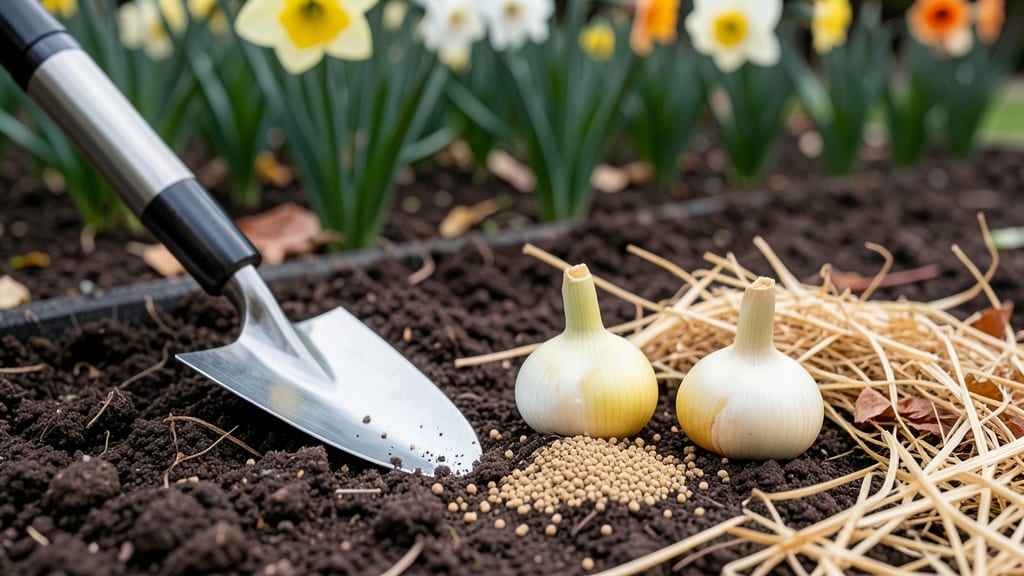
Planting daffodils at the wrong time in Maryland can mean the difference between a garden full of vibrant blooms and a pile of rotting bulbs.
The key isn't just about the calendar—it's about matching your 🌼 daffodils to Maryland's chill hours, which dictate when they'll wake up from dormancy and race ahead of frost.
Most gardeners in USDA zones 6b-7a know fall is the magic window, but timing it right—between October and November—ensures those bulbs get the 6-8 weeks they need to root before the ground freezes.
Too early, and they'll rot; too late, and they'll miss their chance to bloom before spring's last frost.
I've learned the hard way that Maryland's microclimates matter—Baltimore's coastal breezes can delay frost longer than Western Maryland's colder nights.
That's why I'm breaking down the exact 4-week window for each region, plus soil prep tricks to give your daffodils the best shot at surviving winter and stealing the show in March.
Ready to turn your yard into a springtime spectacle? Let's dive into the chill-hour math and regional tweaks that'll have your daffodils popping up before your neighbors' lawns are even green.
Maryland’s chill-hour zones: the secret to daffodil success
Maryland’s chill-hour zones (ranging from 5,000 to 7,000 hours below 45°F) are the hidden key to growing daffodils that bloom reliably before frost. Unlike USDA hardiness zones, chill hours measure the exact cold exposure bulbs need to trigger spring growth.
In Maryland, this means planting timing varies dramatically between Baltimore’s coastal moderation and Western Maryland’s colder winters—sometimes by 4-6 weeks.
Daffodils require 12-16 weeks of chill hours to break dormancy, but Maryland’s microclimates complicate things. For example, Annapolis (Zone 7b) might hit 6,500 chill hours, while Cumberland (Zone 6b) could see 7,500+ hours.
Plant too early in a warm pocket, and your bulbs rot; too late, and they’ll skip blooming entirely. The solution? Use Maryland’s chill-hour map to pinpoint your exact window.
📌 Pro Tip: Check your local chill-hour accumulation using the Maryland Climate Hub or a home weather station. Most gardeners in Zone 7a (like Frederick) should aim for October 15-November 1, while Zone 6b areas (like Hagerstown) can wait until November 1-15.
| Maryland Region | USDA Zone | Chill Hours | Planting Window | Key Tip |
|---|---|---|---|---|
| Eastern Shore (e.g., Salisbury) | 7a-7b | 5,500-6,000 | Oct 1-15 | Soil warms faster; plant early to avoid rot |
| Baltimore/Washington Metro | 7b | 6,000-6,500 | Oct 15-Nov 1 | Urban heat islands delay frost; extend window |
| Piedmont (e.g., Frederick) | 6b-7a | 6,500-7,000 | Oct 20-Nov 5 | Colder nights; prioritize well-draining soil |
| Western Maryland (e.g., Hagerstown) | 6a-6b | 7,000-7,500 | Nov 1-15 | Wait for soil temps below 60°F to prevent rot |
To calculate your exact chill hours, use this simple formula: Multiply the number of days below 45°F by the average daily temperature drop. For example, if your area has 100 days below 45°F with an average drop of 10°F/day, you’ll accumulate 1,000 chill hours.
Maryland’s total chill-hour range (5,000–7,500) means your local weather station data is your best friend.
For gardeners in Zone 7b (like Annapolis), planting October 15 ensures bulbs get 14-16 weeks of chill before spring. In contrast, Zone 6b areas (like Cumberland) should wait until November 1 to avoid premature sprouting.
Always plant 6-8 weeks before ground freeze—check the National Weather Service’s frost calendar for your county.
Microclimates add another layer. A south-facing slope in Western Maryland might accumulate 500+ extra chill hours compared to a north-facing yard in Baltimore. Test your spot: Bury a thermometer in garden soil at bulb depth (6 inches) for a week.
If temps stay above 50°F after October 15, delay planting.
Once you’ve nailed the timing, focus on soil drainage. Daffodils hate soggy soil—amend heavy clay with compost or sand to prevent rot. In low-lying areas (like parts of Southern Maryland), raise beds or plant
Optimal planting months by Maryland region (with frost-proofing tips)
Maryland's three distinct regions—Eastern Shore, Piedmont, and Western Maryland—each have unique frost patterns that dictate the perfect daffodil planting window. In the milder Eastern Shore, you've got until mid-November, while Western Maryland's colder nights demand bulbs in the ground by late October.
The key is planting 6-8 weeks before ground freeze, giving roots time to establish before winter sets in.
I've found that soil preparation makes all the difference. Amend heavy clay soils with compost or sand for better drainage, and always plant bulbs in well-draining locations to prevent rot. A 2-3 inch layer of mulch after planting helps insulate bulbs from temperature swings and keeps soil moisture consistent.
Here's your region-specific planting timeline with frost-proofing essentials:
Planting Window: October 15 - November 15
Planting Window: October 1 - November 1
Planting Window: September 25 - October 20
Add 3 inches of straw mulch after planting to prevent soil heaving
Eastern Shore: Nov 20 | Piedmont: Nov 5 | Western: Oct 25
For all regions, plant daffodil bulbs 6 inches deep and 6 inches apart in clusters of 3-5 for a natural look. The deeper you plant, the more stable the bulb stays through freeze-thaw cycles. I've noticed that early-blooming varieties like 'Tête-à-Tête' handle Maryland's variable springs better than late bloomers.
After planting, give bulbs a deep watering to settle the soil, then let nature take over. The mulch layer will protect them through winter's temperature swings. Come spring, you'll be rewarded with bold blooms that outpace frost—the secret to Maryland's show-stopping daffodil displays.
Pro tip: Mark your planting spots with biodegradable flags if snow covers your garden. This prevents accidental spring digging and gives you a head start on next year's planting plan.