
Plants
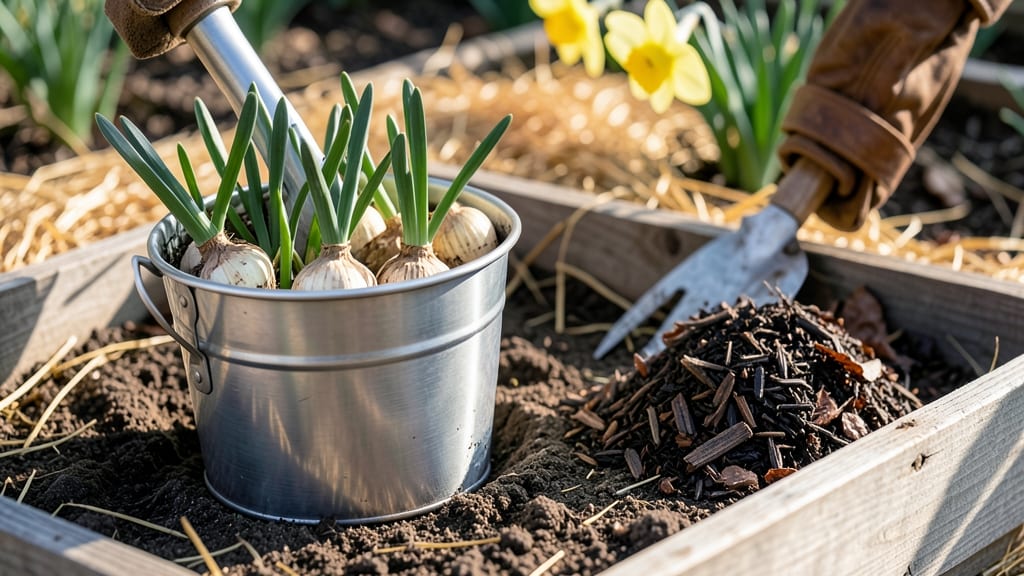
Planting daffodil bulbs at the right time in Maryland isn’t just about following a calendar—it’s about beating the first frost while giving your 🌼 roots enough time to settle before winter.
If you wait too long, your bulbs might not establish properly, and if you go too early, they could rot in warm soil.
Maryland’s Zone 7b-8a climate gives you a narrow but critical window between mid-October and early November to plant for vibrant spring blooms. This timing ensures bulbs develop strong roots before the ground freezes, so they wake up ready to push through snow and frost come April.
I’ve learned the hard way that rushing or delaying planting can mean the difference between a lush garden and a missed opportunity. The key is understanding your local frost dates and soil conditions—because even a few weeks can make all the difference for those cheerful yellow blooms.
In this guide, I’ll break down exactly when to plant, how to prep your soil, and what to watch for in Maryland’s unpredictable fall weather. Let’s make sure your daffodils get the perfect start for a show-stopping spring display.
Maryland’s ideal daffodil bulb planting window by Zone (7b vs 8a)
Maryland’s Zone 7b-8a climate creates a unique challenge for daffodil lovers—plant too early, and bulbs may rot in warm, wet soils; too late, and they won’t establish roots before frost.
The perfect window balances these risks, ensuring vibrant spring blooms every year. For Zone 7b (colder), aim for mid-October, while Zone 8a (warmer) can wait until early November.
Your soil temperature is the key indicator—daffodil bulbs thrive when soil cools to 60°F or below. In Maryland, this typically happens in late September to early October, but urban areas (like Baltimore) may lag behind rural spots (like Frederick) by 1-2 weeks.
Always check your local first-frost date (usually November 15 for Zone 7b and November 25 for Zone 8a) and plant 6 weeks before to give roots time to anchor.
Why this timing matters: Bulbs need 4-6 weeks of root growth before winter dormancy. Planting too early (August-September) risks rot in warm soils, while late planting (December) may leave bulbs vulnerable to freeze-thaw cycles. Maryland’s unpredictable fall weather—from sudden heatwaves to early frosts—makes this window critical for success.
For Zone 7b, start planting in mid-October when daytime highs drop below 70°F. This gives bulbs enough time to establish roots before the average first frost on November 15.
In Zone 8a, wait until early November—soils here stay warmer longer, and planting too soon risks bulb rot. Pro tip: Test your soil with a thermometer; if it’s above 60°F, wait a week or two.
Maryland’s microclimates add another layer—urban gardens (like Annapolis) may experience heat islands, delaying soil cooling by 10-14 days compared to rural areas (like Hagerstown).
If you’re unsure, err on the later side of the window. Late November plantings are still possible if you use mulch (3-4 inches) to insulate bulbs from temperature swings.
Don’t overlook bulb variety—early bloomers (like ‘Tête-à-Tête’) need planting by mid-October, while late bloomers (like ‘Ice Follies’) can wait until early November. Mixing varieties?
Plant earlier bloomers first to avoid crowding. And remember: Deeper planting (6 inches) in sandy soils (common in Western MD) helps protect bulbs from freeze-thaw cycles.
After planting, mulch heavily with straw or shredded leaves to regulate soil temperature. This 3-4 inch layer prevents soil heaving (when frozen soil expands and pushes bulbs up) and keeps roots consistently cool. Remove mulch in early spring once shoots emerge to avoid rot from excess moisture.
If Maryland’s unpredictable weather throws you off schedule, don’t panic. Bulbs planted in early December can still thrive if soils are firm and dry. However, late plantings may result in smaller blooms the first year.
For best results, stick to the 4-6 week window before your zone’s first frost—your daffodils will thank you with bold, early spring color.
Mark your calendar for October 15-30 (Zone 7b) or November 1-15 (Zone 8a)—this is your golden window for planting. With the right timing, you’ll enjoy vibrant daffodils by late March or April, brightening Maryland’s often gray spring skies. Happy planting! 🌼
Maryland’s ideal daffodil bulb planting window by Zone (7b vs 8a)
Maryland’s climate zones 7b and 8a create subtle but important differences in daffodil planting timing. In Zone 7b, the first frost typically arrives mid-to-late November, while Zone 8a areas often hold off until late November or early December.
This means your planting window shifts slightly—aim for mid-October to early November in Zone 7b and late October to mid-November in Zone 8a.
Soil temperature is your best guide: plant when it drops to 60°F (15°C) at night. This usually aligns with late October in most of Maryland, but always check your local frost dates. The USDA Plant Hardiness Map can help you pinpoint your exact zone if you’re unsure.
Here’s the critical timeline you need to know:
The 6-week rule is non-negotiable: bulbs need 4-6 weeks before the ground freezes to establish roots. If you plant too late, your daffodils may not bloom as strongly—or at all.
Conversely, planting too early in warm soil can cause rot, so avoid September unless you’re using a cooling method like refrigeration.
Maryland’s microclimates also play a role. Urban areas like Baltimore often experience earlier frosts due to heat island effect, while rural spots may stay warmer longer. If you’re unsure, err on the side of planting earlier rather than later—you can always mulch to protect bulbs from late frosts.
Pro tip: Use a soil thermometer to check temperatures at 6-inch depth (where bulbs will be planted). When it consistently stays below 60°F (15°C) at night, it’s time to plant. This method is far more reliable than guessing by date.