
Plants
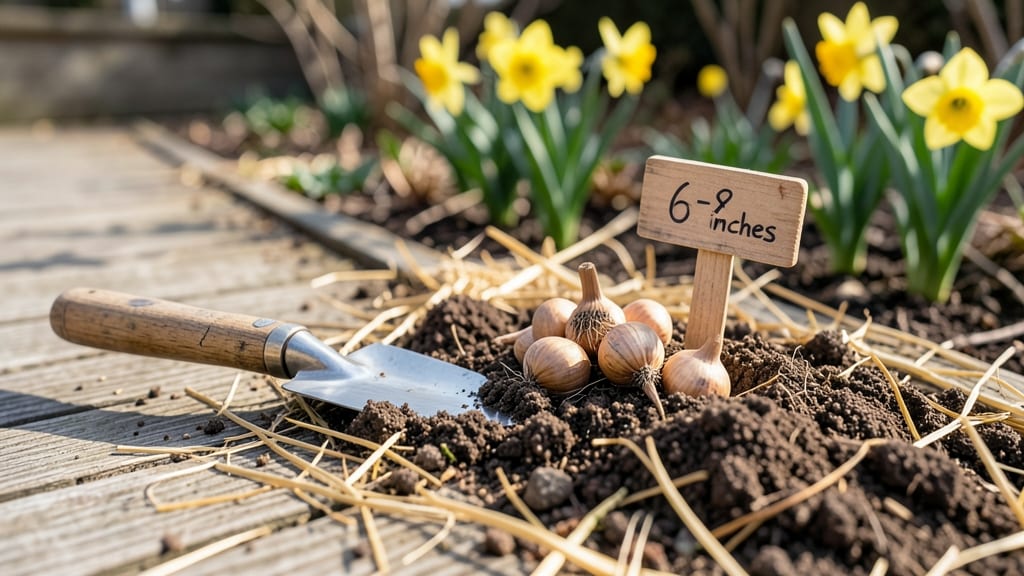
Planting daffodil bulbs when to plant in the fall at the right moment—when the ground is cool but not yet frozen—is your golden ticket to a showstopping spring display.
These hardy 🌼 blooms need 6 weeks before the first frost to establish roots, and getting the timing right means the difference between vibrant clusters and weak, sparse flowers.
In USDA Zone 6a, that window typically opens in late September or early October, but soil temperature is the real secret weapon. Aim for ground temps between 40–50°F—too warm, and bulbs may sprout too early; too cold, and they won’t get the chill hours they need to bloom.
Why does this matter? Daffodils rely on a period of cold dormancy (vernalization) to trigger flowering, and planting too early or late disrupts that process.
I’ll walk you through the exact steps to nail your timing, from soil prep to depth, so your bulbs wake up ready to shine next spring.
Skip the guesswork and master the art of fall planting—your garden’s springtime reward will be worth every minute.
Fall planting timeline: exact weeks & soil temperature rules for daffodil bulbs
Timing is the secret to successful daffodil bulb planting—aim for 6 weeks before your first frost. This window ensures bulbs establish roots before winter dormancy. In USDA Zone 6a (like much of the Midwest), that’s typically mid-September to early November.
But your exact date depends on soil temperature, not just calendar months.
Daffodil bulbs thrive when soil temps drop to 40–50°F. Use a soil thermometer to check—plant when temps consistently stay in this range. In warmer zones (7b+), you might plant as late as December, while colder zones (5a or below) need bulbs in by mid-October at the latest.
Here’s why timing matters: Bulbs need 4–6 weeks of root growth before freezing temps hit. Plant too early, and roots may rot; too late, and bulbs won’t bloom. Microclimates (like sunny slopes vs. shady spots) can shift your ideal window by 2–3 weeks.
🌱 Pro Tip: Check your local frost date (try the Old Farmer’s Almanac), then count backward. For example, if frost hits November 15, plant by October 1.
| USDA Zone | Ideal Planting Window | Soil Temp Goal | Adjust for Early Frost? |
|---|---|---|---|
| 3a–4a (Cold Climates) | Early August–mid-September | 50–60°F (earlier) | Plant earlier; use mulch |
| 5a–6a (Midwest/Northeast) | Mid-September–October | 40–50°F | Standard timing works |
| 7b–8a (South/Southwest) | October–December | 50–60°F (later) | Wait for cooler soils |
| 9b+ (Coastal/Desert) | November–January | 55–65°F (winter planting) | Avoid summer heat |
🌡️ Note: Soil temp trumps calendar dates—always verify with a thermometer.
Regional variations matter, but soil conditions often override zone guidelines. For example, a southern exposure warms faster than a north-facing bed, so adjust your timeline accordingly. If your area has unpredictable frosts, err on the earlier side—bulbs can handle light freezes but won’t root in warm soil.
💡 Key Insight: Daffodils planted in cool but not frozen soil (40–50°F) have the best chance to establish roots before winter. Use straw mulch (3–4 inches) after planting to insulate bulbs and regulate soil temp.
What if you miss the window? You can still plant daffodils in early spring, but blooms may be smaller or delayed. Bulbs need that fall chill period to trigger flowering—skipping it means less vibrant spring color.
For container gardening, follow the same rules but use well-draining potting mix. Containers warm faster, so plant 2–3 weeks earlier than in-ground beds. Move pots to a cool garage or basement if temps drop below 40°F before planting.
🌿 Final Check: Before planting, test your soil’s drainage—daffodils hate soggy roots. Dig a hole, fill it with water, and time how long it drains. If water lingers more than 2 hours, amend with sand or compost.
Chill-hour requirements: how cold your daffodil bulbs need to bloom
Daffodils need a cold period, called vernalization, to trigger blooming. Without enough chill hours (0–40°F), your bulbs may sprout leaves but skip flowers entirely. This process mimics winter’s natural dormancy, ensuring vibrant spring displays. Most daffodils thrive with 12–16 weeks of consistent cold exposure, but varieties differ widely.
Understanding your USDA zone and local climate helps predict chill hours. For example, Zone 5–7 gardens often get enough natural cold, while milder Zones 8–10 may need artificial chilling or later-planted bulbs. Check your last frost date and plant bulbs 6–8 weeks before ground freezes to align with chill needs.
🌼 Variety-Specific Chill Hours
| Variety | Chill Hours Needed | Notes |
|---|---|---|
| 'Tête-à-Tête' | 12–14 weeks | Dwarf variety; ideal for containers |
| 'Ice Follies' | 14–16 weeks | Early bloomer; white petals with yellow centers |
| 'Paperwhite' | 8–10 weeks | No-chill variety; blooms indoors year-round |
| 'Thalia' | 16–18 weeks | Large, fragrant blooms; needs deep chill |
| 'Minnow' | 10–12 weeks | Miniature; great for rock gardens |
To calculate chill hours in your area, use a weather station or online tools like the National Weather Service. Aim for consistent 0–40°F temps for the required weeks.
In warmer climates (Zones 8–10), plant bulbs later in fall or use a refrigerator to mimic chilling (store bulbs at 35–40°F for 8–12 weeks before planting).
If you’re unsure about your local chill hours, opt for low-chill varieties like 'Paperwhite' or 'Minnow'. These tolerate shorter cold periods and still produce flowers. For high-chill types like 'Thalia', plan ahead by planting early fall or in cooler microclimates (e.g., north-facing beds).
Once planted, mulch with 2–3 inches of straw to protect bulbs from freeze-thaw cycles, which can disrupt dormancy. Remove mulch in early spring to allow soil to warm and encourage sprouting. With the right chill hours, your daffodils will reward you with bold, cheerful blooms year after year. 🌱