
Plants
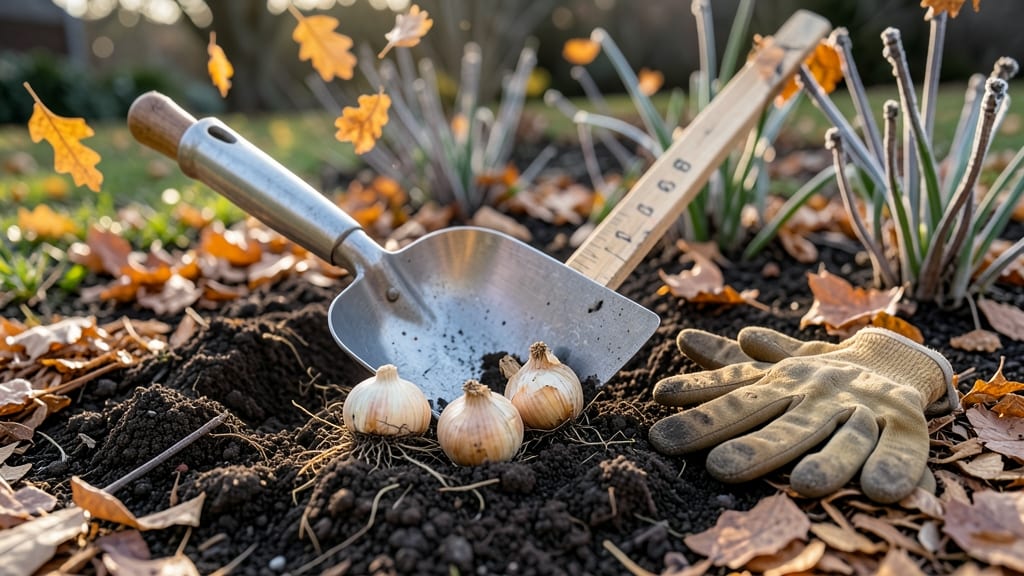
Planting daffodil bulbs at the wrong time in Alabama can mean the difference between a vibrant spring display and a sad, frozen mess. The key isn't just picking a month—it's waiting for that perfect moment when soil warmth triggers root growth without inviting early frost.
I’ve learned this the hard way, and trust me, you’ll want to get it right the first time.
Alabama’s USDA Zones 7a-8b give you a slightly longer window than northern states, but timing still matters. Most gardeners here aim for October through December, but the exact week depends on whether you’re in North Alabama’s cooler pockets or the warmer southern regions.
Too early, and your bulbs might rot; too late, and they won’t establish roots before winter sets in.
Don’t worry—you don’t need a fancy soil thermometer to nail this. I’ll walk you through simple signs to watch for, like soil temperature (aim for 50-60°F at 6 inches deep) and how local frost dates play into your schedule.
Even container planting works in Alabama’s winters, but there are a few tricks to keep those 🌼 beauties thriving.
Whether you’re a first-time gardener or a seasoned pro, these insights will help you plant with confidence. Let’s dive into the exact steps to time your daffodil planting perfectly—so you can enjoy those cheerful blooms come spring without the guesswork.
Best planting months for daffodils in Alabama based on soil temperature
Alabama’s USDA Zones 7a-8b create a unique window for planting daffodil bulbs, where soil temperature becomes the critical factor. Unlike northern states, Alabama’s mild winters mean bulbs can often wait longer before frost arrives—but planting too late risks weak root development.
The sweet spot? October through November, when soil temps hover between 50°F and 60°F at 6-inch depth.
Daffodils need 6-8 weeks of cool soil to establish roots before winter dormancy. In North Alabama (Zone 7a), aim for early October planting, while South Alabama (Zone 8b) gardeners can push to mid-November.
The key is avoiding hard freezes, which can damage unprotected bulbs—especially in higher elevations like the Appalachians.
Here’s how Alabama’s microclimates affect timing: Coastal areas like Mobile have warmer soils longer, while inland Birmingham cools faster. Always check your last frost date (typically mid-November) and plant bulbs 6 weeks before that date to ensure root establishment.
🌼
For container gardening in Alabama, the rules shift slightly. Potted daffodils can handle colder temps when moved to sheltered spots, extending your planting window to early December. However, roots still need 6 weeks of cool soil, so avoid planting after mid-November unless using heated greenhouse conditions.
Pro tip: Use a soil thermometer to verify temps—Alabama’s black soil in the Black Belt region stays warmer longer than sandy coastal soils. Aim for 50°F at 6 inches deep before planting; this triggers root growth without risking frost damage.
If you miss the fall window, January planting is possible in Zone 8b, but bulbs may bloom later. The trade-off? Weaker stems and reduced vigor compared to fall-planted daffodils. For best results, mark your calendar for October 15-November 15—this 6-week window aligns with Alabama’s soil temperature sweet spot.
🌱
Remember: Daffodil bulbs thrive when planted in well-draining soil with compost added. In Alabama’s clay-heavy soils, mix in sand or peat moss to prevent waterlogging. After planting, mulch with 2-3 inches of straw to insulate bulbs and retain moisture during Alabama’s winter dry spells.
For gardeners in higher elevations (like the Tennessee Valley), err on the earlier side—plant by October 15 to account for earlier frosts. Coastal gardeners can push to November 30, but monitor weekly weather forecasts for unexpected cold snaps.
🪴
How to test Alabama soil warmth for perfect daffodil planting timing
Getting your daffodil bulbs in the ground at the right time means checking your soil temperature—not just the air temperature. In Alabama, where USDA Zones 7a-8b create microclimates, soil warmth varies between North Alabama's cooler hills and South Alabama's milder coastal plains.
A simple soil thermometer test ensures your bulbs root before winter dormancy kicks in.
Daffodils need soil temps between 50°F and 60°F at a 6-inch depth to establish roots before freezing. In North Alabama, aim for early October, while South Alabama gardeners can wait until mid-November. Moon phases also play a role—planting during a waxing moon (when roots grow upward) boosts success rates.
Step-by-Step Soil Warmth Test for Alabama Daffodils
-
Step 1: Choose Your Testing Spot
Pick a representative area (sunny, well-draining) where you’ll plant. Avoid shady spots or low-lying areas that stay cold longer. -
Step 2: Use a Soil Thermometer
Insert a digital soil thermometer (like the ThermometerPro) 6 inches deep. Check temps at 9 AM and 3 PM for accuracy. -
Step 3: Monitor for 3 Days
Record temps for 3 consecutive days. If temps average 55°F-60°F, it’s time to plant in North Alabama. Wait until 50°F-55°F for South Alabama. -
Step 4: Adjust for Microclimates
North Alabama (Zones 7a-7b): Plant by October 15. South Alabama (Zones 8a-8b): Hold off until November 1 to avoid early frosts. -
Step 5: Sync with Moon Phases
Use a lunar planting calendar to align planting with a waxing moon (roots grow upward) or full moon (optimal energy for bulbs). -
Step 6: Plant and Mulch
Plant bulbs 6-8 inches deep, cover with 2-3 inches of mulch (straw or pine needles), and water deeply to lock in warmth.
Pro tip: If your soil stays above 60°F past November, delay planting until temps drop. Daffodils can handle brief cold snaps, but consistent freezing will halt root growth. For container gardening in urban Alabama, use black plastic pots to absorb sunlight and warm soil faster.
Remember, soil warmth > air temperature. A crisp 50°F morning might feel chilly, but if your soil is 58°F at 6 inches, your daffodils are ready to root.
Test a few spots in your yard—you might find microclimates where planting is safe a week earlier or later than your neighbors!
Once planted, avoid disturbing the soil until spring. The roots will thank you with vibrant blooms next March—just in time for Alabama’s perfect spring weather. 🌼