
Plants
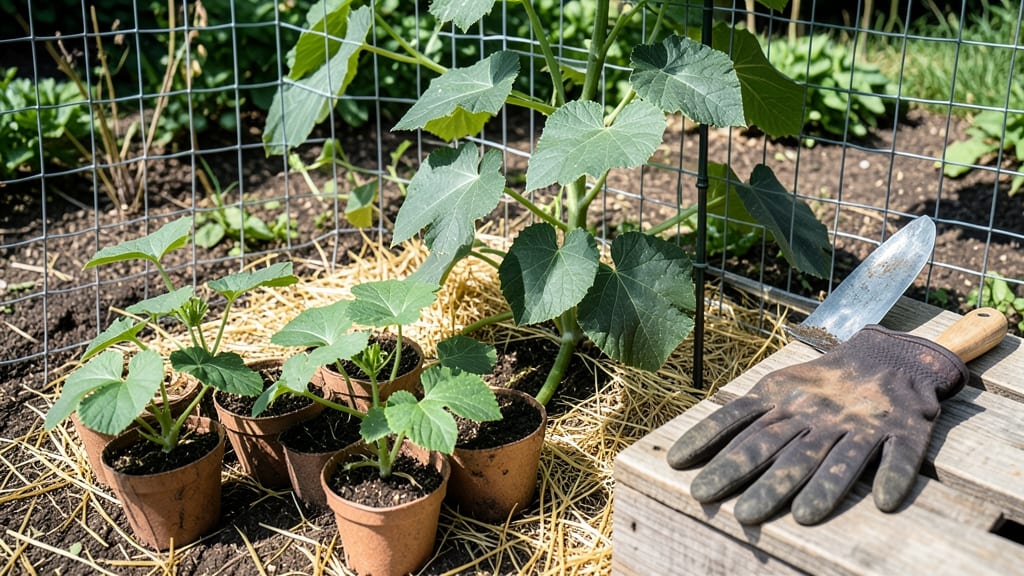
Planting cucumbers at the wrong time in Zone 6b could mean tiny, bitter fruit—or worse, no harvest at all. The difference between a thriving 🥒 patch and a failed attempt often comes down to understanding your last frost date and soil temperature.
Most gardeners in 6b wait until mid-April to mid-May, but rushing too early risks frost damage, while planting too late cuts your harvest window short. I’ve learned the hard way that soil needs to warm to at least 60°F before cucumbers will germinate reliably.
Whether you’re direct-sowing seeds or transplanting starts, timing matters. In this guide, I’ll break down exactly when to plant, how to prep your soil, and even how to stretch your growing season for a longer harvest. Let’s get those vines climbing!
You’ll also discover how to use row covers, mulch, and succession planting to squeeze every last bite out of your season—because in Zone 6b, every extra week counts. Ready to turn your garden into a cucumber powerhouse?
Zone 6B frost dates and ideal soil temperature for cucumber planting
Getting the timing right for cucumbers in Zone 6B means understanding two critical factors: frost dates and soil temperature. Cucumbers are warm-season crops that hate cold snaps, so planting too early can stunt growth or kill seedlings.
Meanwhile, waiting too long might shorten your harvest window before fall frost arrives. Let’s break down the specifics for your region.
In Zone 6B, the average last frost date typically falls around April 15, though this can vary by 5-10 days depending on microclimates. For example, areas near large bodies of water may experience later frosts, while inland spots might warm up faster.
Always check your local almanac or weather service for precise dates, as they can shift yearly.
Cucumbers need soil temperatures of at least 60°F (15°C) to germinate properly. If you plant too soon, seeds may rot in cold, wet soil. Use a soil thermometer to confirm—this small investment can save you from wasted effort.
Most gardeners in Zone 6B wait until mid-to-late May to ensure the soil is warm enough, especially if early springs are common in your area.
Here’s a quick reference for your planting timeline in Zone 6B:
| Stage | Action | Notes |
|---|---|---|
| Early Spring (March) | Start seeds indoors (if using starts) | Use grow lights; keep soil warm (70°F). |
| Late April - Early May | Hardening off seedlings | Acclimate plants to outdoor temps over 7-10 days. |
| Mid-May (after last frost) | Direct sow seeds outdoors | Soil temp must be 60°F+; use black plastic mulch to warm soil. |
| Late May - Early June | Transplant starts (if using) | Choose cloudy days to reduce transplant shock. |
| June - September | Harvest cucumbers | Pick every 2-3 days to encourage more fruit. |
One common mistake in Zone 6B is rushing to plant cucumbers as soon as the ground is workable. While it might seem tempting to get a head start, cold soil can delay germination by weeks.
If you’re eager to plant early, consider using black plastic mulch or a cold frame to raise soil temperatures faster. These methods can shave off 1-2 weeks of waiting time.
Another pro tip: monitor your local 10-day forecast before planting. If a late frost warning pops up, delay sowing by another week. Cucumbers are extremely frost-sensitive, and even a light freeze can kill young plants overnight. When in doubt, wait an extra week—your harvest will thank you!
For gardeners in Zone 6B, the ideal planting window is between April 15 and May 15, but this depends on your specific microclimate. Urban areas often warm up faster than rural spots, so adjust accordingly.
If you’re unsure, plant a few seeds as a test in early May—this gives you flexibility to extend your season if the weather cooperates.
Remember, cucumbers thrive in warmth and sunlight, so aim for a spot with 6-8+ hours of direct sun daily. Even if your soil is warm enough, poor light conditions will lead to stunted plants and fewer cucumbers.
Choose a sunny location near your home for easy access during harvests.
Finally, keep an eye on your local first frost date, which in Zone 6B is usually around October 15. This marks the end of your cucumber season unless you use season-extending techniques like row covers or cold frames.
Planning ahead ensures you maximize your harvest before winter sets in.
By aligning your planting with Zone 6B’s frost dates and soil temperatures, you’ll set your cucumbers up for success. Now that you’ve got the timing down, your next step is choosing between direct sowing or transplanting starts—both have their advantages, which we’ll explore in the next section.
Zone 6B frost dates and ideal soil temperature for cucumber planting
In Zone 6B, your last frost date typically falls around April 15, but this can vary by 5-10 days depending on your exact location. Cucumbers are frost-sensitive, so waiting until 2 weeks after your average last frost ensures your plants won’t get nipped.
I always check my local Almanac frost calendar to confirm—it’s saved me from losing seedlings more than once!
Beyond frost dates, soil temperature is the real game-changer. Cucumber seeds need soil to be at least 60°F to germinate reliably. If your soil is cooler, seeds may rot in the ground or take 2+ weeks to sprout.
I use a soil thermometer to monitor temps—it’s a small investment that pays off with faster, stronger growth.
🌱
| Factor | Zone 6B Specification | Actionable Tip |
|---|---|---|
| Last Frost Date | April 15 (±5-10 days) | Plant 2 weeks after to avoid frost |
| First Frost Date | October 15 (±5-10 days) | Use row covers to extend season |
| Ideal Soil Temp | 60-70°F for germination | Use black plastic mulch to warm soil |
| Frost-Free Days | 165 days (June-Sept) | Plan for 2 harvest cycles if possible |
If your soil is still chilly in early spring, try black plastic mulch or a cold frame to raise temperatures. I’ve seen soil warm up by 10°F+ in just a few days with these tricks.
For direct sowing, aim for late April to early May—this gives you a 3-month harvest window before fall frosts arrive.
For transplanting starts, begin seeds indoors 4-6 weeks before your last frost. My go-to varieties like ‘Straight Eight’ or ‘Marketmore’ thrive when hardened off and planted after May 1. Just beware: Transplants need consistent moisture during establishment to avoid shock.
Pro tip: Monitor nighttime temps—cucumbers struggle below 50°F. If a late frost sneaks in, cover young plants with frost cloth until temps rise. I’ve lost entire rows to 50°F nights before learning this trick!
🌿