
Plants
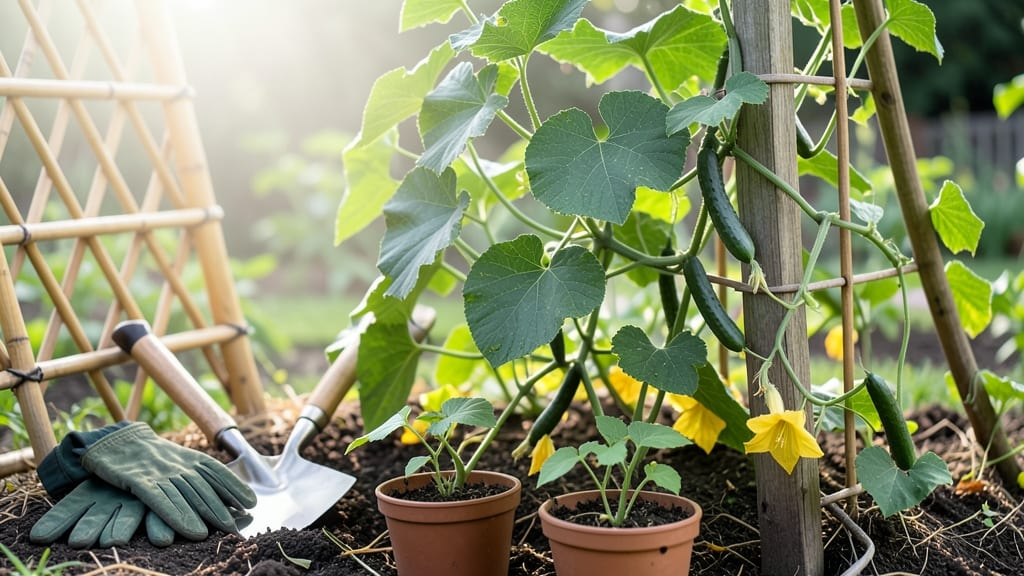
Timing when to plant cucumber seeds in Ohio isn't just about the calendar—it's about outsmarting frost, heat waves, and those stubborn late-spring cold snaps that can turn your garden dreams into a soggy disappointment.
The difference between a bumper crop and a failed patch often comes down to planting just when the soil warms to 60°F and the last frost date has truly passed.
Here's the kicker: Ohio's microclimates mean what works in Columbus might fail in Toledo, and vice versa. I've grown cucumbers in Zone 6a for years, and I can tell you firsthand that rushing the process—even by a week—can leave your plants struggling when summer finally arrives.
The key is balancing patience with opportunity, because once those seeds hit the ground, you've got a 50-day window to harvest before heat sets in.
What you're about to discover isn't just some generic advice—it's a microclimate-specific strategy that accounts for Ohio's unpredictable weather patterns. We'll cover exactly when to start seeds indoors, how to time direct sowing for maximum success, and why some gardeners swear by row covers while others avoid them entirely.
Trust me, getting this right means the difference between plenty of fresh cucumbers for your summer salads and wondering where your garden went wrong.
Let's cut to the chase: I'll walk you through the exact planting windows for your corner of Ohio, plus the three biggest mistakes that even experienced gardeners make.
By the end, you'll know not just when to plant, but how to set your cucumbers up for a season-long victory—no guesswork required.
Ohio’s frost-free planting zones: exact weeks to start cucumber seeds by region
Ohio’s diverse climate means last frost dates can vary by 3-4 weeks between regions. For cucumber seeds, timing is critical—plant too early, and frost kills tender seedlings; too late, and summer’s heat arrives before harvest.
I’ll break down Ohio’s 5 key microclimates with precise planting windows to maximize your 60-70 day harvest window.
Most Ohio gardeners fall into USDA Zones 5b-6a, but urban areas like Cleveland (Zone 6a) and rural spots near Cincinnati (Zone 6b) have different frost risks. Soil temperature matters more than air temperature—cucumbers need 60°F+ soil to germinate reliably.
Use a soil thermometer to confirm readiness, especially in Zone 5 areas where spring lingers.
Here’s how to align your planting with Ohio’s regional frost-free averages:
| Region | Avg. Last Frost | Indoor Start (Weeks Before Transplant) | Direct Sow Window | Transplant Window |
|---|---|---|---|---|
| Northeast (Cleveland, Akron) | May 5 | March 15-April 1 | May 15-June 1 | May 10-25 (after soil hits 60°F) |
| Northwest (Toledo, Findlay) | April 25 | March 1-April 15 | May 1-June 1 | April 20-May 10 |
| Southeast (Columbus, Dayton) | April 15 | March 1-April 1 | April 20-May 15 | April 10-25 |
| Southwest (Cincinnati, Lexington) | April 5 | February 28-March 15 | April 10-May 1 | March 25-April 15 |
| Central (Lima, Mansfield) | April 20 | March 1-April 1 | April 25-May 10 | April 10-20 |
For urban gardeners in cities like Columbus or Cincinnati, microclimates can shift planting by 1-2 weeks. Concrete and buildings retain heat, warming soil faster. Test your spot: Bury a thermometer in your garden bed at 6 inches deep for 3 days.
If it hits 60°F consistently, it’s safe to plant.
Pro tip: Use black plastic mulch to warm soil 5-10°F faster in cooler regions. Lay it down 2 weeks before planting to jumpstart germination. Just remember to remove it before harvest to avoid soil contamination.
If you’re in Zone 5 (northeast Ohio), consider row covers for early starts. They add 2-4°F protection and let you plant 2 weeks earlier than the table suggests. Remove covers when flowers appear to prevent heat stress.
For late-summer harvests, sow a second batch of seeds June 15-30 in all regions. Choose heat-tolerant varieties like ‘Straight Eight’ or ‘Marketmore’ for extended production until first frost.
🌱
How to adjust planting dates for Ohio’s unpredictable weather patterns
Ohio’s spring weather can shift from freezing nights to 90°F heat in a single week, making cucumber planting a moving target. The key to success? Flexible timing and tools to predict frost risks.
I’ve learned that even a 5-day delay can mean the difference between a thriving vine and a frost-killed seedling.
First, check your local last frost date—but don’t rely solely on averages. Urban areas like Columbus (USDA Zone 6a) often warm faster than rural Toledo (Zone 5b).
Use the NOAA Frost Prediction Map or your county’s agricultural extension service for real-time updates. I always set a backup planting date 2 weeks after my initial target.
🌱 Numbered Highlights: Ohio Cucumber Planting Adjustments
- 1. Soil Temperature Test: Use a soil thermometer—wait until 60°F+ for 5+ days before planting. Cold soil stunts growth.
- 2. Row Covers for Early Starts: Plant seeds 2-3 weeks earlier under floating row covers to trap heat and deter pests.
- 3. Frost Watch Alerts: Sign up for NOAA’s Frost/Winter Storm Watches to adjust mulching or cover plans.
- 4. Succession Planting: Sow new seeds every 2 weeks until June 15 to extend harvests.
- 5. Heat Tolerance Trick: For July plantings, choose heat-resistant varieties like ‘Straight Eight’ and mulch heavily.
Don’t forget to warm your soil if early planting is tempting. Lay down black plastic mulch 2 weeks before sowing to raise temperatures by 5-10°F. I’ve seen this trick add 10-14 days to my growing season in Zone 5 areas.
For container gardeners, use heat mats under pots to mimic warmed soil.
If frost sneaks in after planting, act fast. Row covers or cloches can protect young plants for 3-5 days. I’ve saved entire beds by covering them at dusk and removing covers by 10 AM to prevent overheating. Avoid plastic directly on leaves—it traps moisture and invites powdery mildew.
For late-season plantings, shift to shorter-day varieties like ‘Bush Champion’ and focus on succession planting. I’ve had success sowing seeds in early July for a fall harvest before the first frost. Just reduce watering slightly as temperatures drop to prevent blossom-end rot.
Remember: Ohio’s 165 frost-free days are a guideline, not a rule. By combining local data, soil prep, and protective tools, you can turn Ohio’s weather chaos into a cucumber-growing advantage. Start with a 3-week buffer—your future self (and your salad) will thank you. 🌱