
Plants
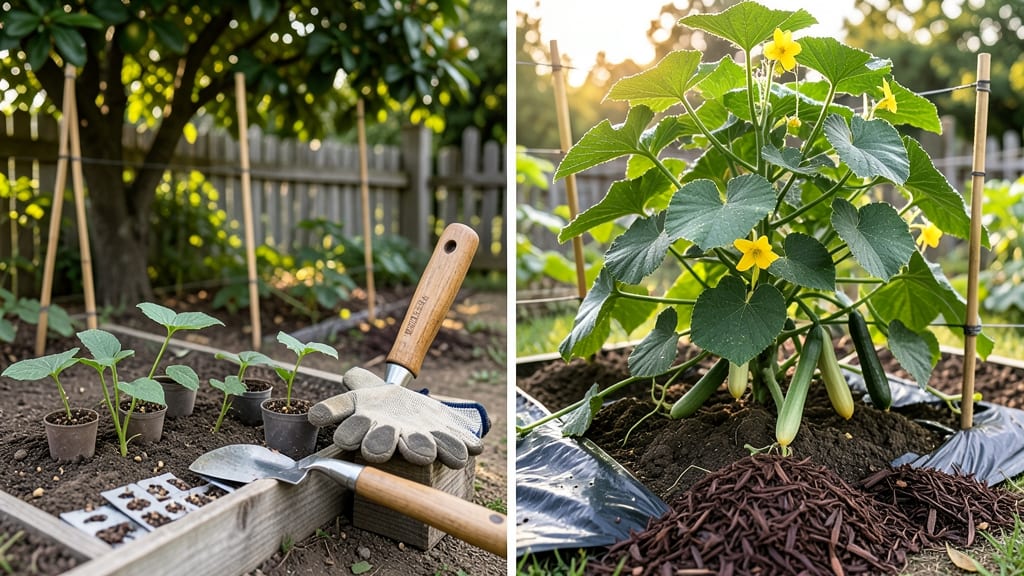
Planting cucumbers in South Florida might seem like a no-brainer—after all, the weather is perfect year-round! But here’s the catch: timing your 🥒 plantings wrong can lead to bitter fruit, wilted vines, or even no harvest at all.
The key isn’t just when you plant but how you adapt to South Florida’s microclimates, from coastal breezes to inland heat.
If you’ve ever wondered why some gardeners pull off year-round cucumbers while others struggle, it’s not luck—it’s strategy. I’ve spent years testing the best months to sow seeds, how to beat the summer heat, and which varieties actually thrive in our 10a-11 zone.
Whether you’re a beginner or a seasoned grower, these tricks will help you avoid common pitfalls and enjoy fresh cucumbers from January to December.
Let’s start with the basics: the ideal planting windows for South Florida, broken down by season. Spring and fall are your sweet spots, but with the right techniques, you can also grow cucumbers in summer—without them turning into sad, shriveled messes.
I’ll show you exactly how to time your plantings for maximum yield, no matter the month.
Ready to ditch the guesswork? By the end of this guide, you’ll know not just when to plant cucumbers in South Florida, but how to set them up for success—from soil prep to watering hacks that keep your vines thriving. Let’s get those seeds in the ground the right way!
South Florida cucumber planting calendar: month-by-month microclimate guide
South Florida’s three distinct microclimates—coastal, inland, and Everglades—create unique growing conditions for cucumbers. While you can plant year-round, timing matters to avoid bitter fruit or heat stress.
Coastal areas stay slightly cooler due to ocean breezes, while inland zones can hit 95°F+ in summer. Everglades regions maintain high humidity but require excellent drainage.
For coastal regions, aim for January-April and September-November plantings to avoid summer’s intense heat. Inland gardeners should focus on spring (Feb-Apr) and fall (Aug-Oct), while Everglades growers can extend into December thanks to milder winters.
The key is matching varieties to your microclimate’s heat tolerance and humidity levels.
Heat-tolerant varieties like 'Southern Sweet 100' and 'Straight Eight' thrive in inland zones, while 'Lemon Cucumber' handles Everglades humidity better. Coastal gardeners can grow 'Suyo Long' for its disease resistance. Each microclimate also has unique pest pressures, from squash bugs inland to aphids in coastal areas.
| Microclimate | Best Planting Months | Heat-Tolerant Varieties | Key Challenges | Winter Strategy |
|---|---|---|---|---|
| Coastal | Jan-Apr, Sep-Nov | Suyo Long, Straight Eight | Salt spray, aphids | Use shade cloth in summer |
| Inland | Feb-Apr, Aug-Oct | Southern Sweet 100, Marketmore | Squash bugs, powdery mildew | Plant near tall crops for shade |
| Everglades | Jan-Mar, Sep-Dec | Lemon Cucumber, Poona Kheera | Fungal diseases, poor drainage | Raise beds for drainage |
Winter harvesting is possible in South Florida, but success depends on your microclimate. Coastal areas can grow cucumbers through December-February with row covers to protect from occasional 30s°F dips.
Inland gardeners should focus on February-March plantings, while Everglades regions can extend into January using black plastic mulch to warm soil.
To maximize winter yields, choose small-fruited varieties like 'Bush Champion', which ripen faster in cooler temps. Start seeds indoors in late January and transplant after February 15th when soil reaches 65°F.
Use drip irrigation to maintain consistent moisture without overwatering, which can lead to root rot in winter’s cooler soils.
For spring plantings, begin seeds indoors in late January for coastal areas or early February inland. Transplant outdoors when nights stay above 60°F, typically by March 1st coastal and March 15th inland.
Everglades gardeners can start direct-sowing in February thanks to warmer soil. Always harden off seedlings for 7-10 days before transplanting.
Summer planting requires special strategies to prevent bolting and heat stress. Inland zones should avoid June-August plantings unless using 50% shade cloth. Coastal areas can attempt July plantings with afternoon shade and daily watering.
Everglades regions should focus on September for fall crops, using reflective mulch to reduce soil temps.
Fertilization differs by season: Use high-nitrogen feeds in spring (10-10-10) and balanced fertilizers (5-5-5) in summer to prevent excessive leaf growth. Winter crops benefit from phosphorus-rich amendments (3-4-6) to encourage root development. Always side-dress with compost every 4-6 weeks to maintain soil fertility.
Monitor for microclimate-specific pests: Coastal areas need aphid control, inland zones battle cucumber beetles, and Everglades regions face whiteflies. Use neem oil or kaolin clay as organic solutions. Companion planting with marigolds or basil can deter pests naturally in all regions.
With these microclimate-specific strategies, you can enjoy crisp cucumbers year-round—whether you're harvesting 'Straight Eight' in March or 'Lemon
How to extend your cucumber growing season in South Florida’s heat
South Florida’s relentless summer sun can turn your cucumber plants into stressed, bitter-fruit factories if you don’t act fast. The key to year-round harvests lies in heat management—not just for the plants, but for the soil and air around them.
Without intervention, cucumbers bolt (flower prematurely) or wilt under 90°F+ temperatures, leaving you with sad, seedy harvests. I’ve learned the hard way that shade, mulch, and smart watering can turn your garden into a cucumber oasis even in August.
Your first line of defense is shade cloth, which isn’t just for summer—it’s a year-round tool. A 30-50% shade cloth reduces soil temps by 10-15°F, preventing bolting (when plants flower early) and poor fruit set.
I use white or silver cloth because it reflects heat better than black or green. Pair this with drip irrigation—watering at the base keeps leaves dry and reduces powdery mildew, a common enemy in Florida’s humidity.
Trust me, your cucumbers will thank you with crisp, sweet fruit instead of tough, seedy disappointments.
🌱 5 Pro Tips to Beat South Florida’s Heat
- 1. Shade Cloth: Install 30-50% shade in peak sun (12-4 PM) to keep soil temps under 85°F.
- 2. Mulch Thick: Use 3-4 inches of straw or wood chips to retain moisture and block heat.
- 3. Companion Plant: Pair with bush beans or radishes to improve soil and deter pests.
- 4. Water Deeply: Soak roots early morning (1-2 gallons per plant) to avoid fungal risks.
- 5. Prune Strategically: Trim lower leaves to improve airflow and reduce humidity stress.
Don’t overlook mulching—this is where most gardeners drop the ball. A 3-4 inch layer of straw or wood chips keeps soil temps 10°F cooler and locks in moisture. I’ve seen cucumbers thrive in 100°F heat when mulched properly, while unmulched plants wilt by noon.
For extra protection, try black plastic mulch—it warms the soil (great for winter) but can scorch leaves in summer, so use it seasonally. Pro tip: Refresh mulch every 2-3 months as it breaks down, especially in Florida’s rainy season.
Your companion plants are the unsung heroes of heat extension. Bush beans fix nitrogen in the soil, while radishes deter pests like cucumber beetles. I also plant marigolds around the edges—they repel pests and attract pollinators, which is critical for fruit set in Florida’s sticky summer air.
Avoid planting cucumbers near potatoes or melons, though, as they compete for nutrients and attract similar pests. A diverse garden isn’t just pretty; it’s a survival strategy for your cucumbers.
Even with all these tricks, heat stress will sneak up if you’re not watching. Watch for yellowing leaves (a sign of overwatering or nutrient burn) or drooping vines (usually underwatering or root rot).
If your cucumbers start bolting (sending up flowers before vines mature), it’s too late to save that plant—but you can succession plant every 2 weeks to keep a steady harvest. I’ve had continuous cucumbers from January to December by following this rhythm, even in Miami’s brutal summers.
Remember, patience is key. Cucumbers in South Florida won’t grow like they do in cooler climates—you’ll need to adapt, observe, and adjust. But when you crack open a homegrown cucumber in July, sweet and crisp, you’ll know every trick was worth it.
Start with one raised bed this season, test these methods, and scale up as you master the heat. Your future self (and your taste buds) will thank you. 🌿