
Plants
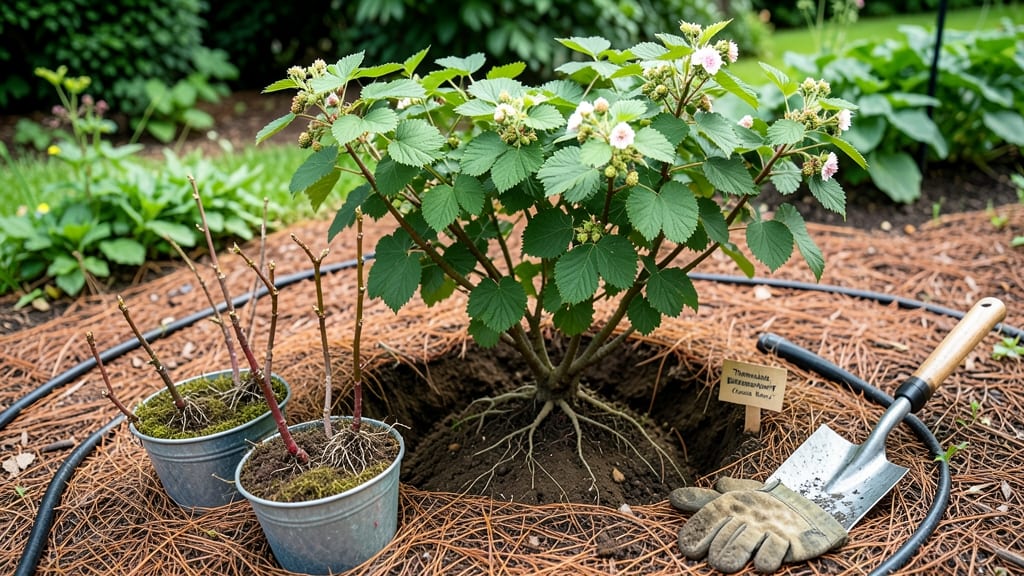
Planting blackberries in Florida isn’t just about timing—it’s about beating the heat and avoiding frost surprises that can wipe out your 🫐 harvest before it starts. Unlike northern growers, Floridians don’t need chill hours, but the wrong planting window means struggling with weak roots or scorched canes when summer hits.
With Florida’s frost-free zones ranging from 8a to 11, the ideal planting window shifts slightly by region—but the golden rule is simple: aim for late winter to early spring when soil temperatures rise above 60°F.
This gives your blackberries time to establish roots before the intense summer sun arrives, setting you up for a bountiful harvest from April through September.
What separates successful Florida blackberry growers from those who give up? It’s not just the variety you choose (though that matters)—it’s preparing the soil, spacing plants for airflow, and knowing when to mulch heavily to lock in moisture.
Skip these steps, and you’ll end up with leggy, stressed bushes that struggle to produce fruit when they should be thriving.
Ready to grow blackberries that thrive year-round without the guesswork? I’ll walk you through the exact planting schedule for your Florida zone, the best low-chill varieties, and how to protect your plants from Florida’s unique challenges—like sudden cold snaps or hurricane-force winds.
Let’s get those canes in the ground the right way.
Best planting months for Florida blackberries: avoiding frost and heat stress
Florida’s three distinct climate zones create unique planting windows for blackberries. Unlike northern states, Florida’s lack of chill hours means we can grow varieties year-round—but timing still matters to avoid heat stress or unexpected frosts in northern regions.
The key is planting when soil temperatures reach 60°F+ and before summer’s brutal 90°F+ heat waves peak.
Northern Florida (USDA Zones 8a-8b) faces occasional frosts that can damage young plants, while Central (Zone 9a) and South Florida (Zone 10a+) rarely see freezing temps. This means planting windows shift from late winter in the north to early spring in the south.
Let’s break down the optimal months for each region to ensure your blackberries establish strong roots before summer’s intensity.
Soil temperature is your best guide—wait until it consistently stays above 60°F (measured 4-6 inches deep). Cold soil slows root growth, leaving plants vulnerable to heat stress once summer arrives. Use a soil thermometer to monitor conditions, especially if you’re planting in February (risky in the north) or April (safer for southern zones).
Here’s the region-specific breakdown of when to plant blackberries in Florida, including soil temp targets and microclimate considerations:
| Region | Best Planting Window | Soil Temp Requirement | Key Microclimate Notes | Avoid Planting After |
|---|---|---|---|---|
| Northern Florida (Jacksonville, Gainesville) | Late February–Early March | 60°F+ (consistent) | Frost risk until mid-March; inland areas colder than coasts | Mid-April (heat stress risk) |
| Central Florida (Orlando, Tampa) | Early March–Mid-April | 60°F+ (sooner in south Tampa) | Higher humidity; trellising needed for hurricane winds | Late May (summer drought risk) |
| South Florida (Miami, Fort Lauderdale) | Mid-January–Early April | 55°F+ (warmer soil warms faster) | Year-round growth possible; shade cloth helps in summer | June (hurricane season stress) |
For Northern Florida growers, prioritize late February planting to beat the last frost date (typically around January 15). If you plant too early, young roots may freeze, stunting growth.
In Central Florida, you’ve got a 6-week window from March to April, but avoid May—summer’s intense heat and drought conditions can shock newly planted canes.
South Florida’s warmer microclimate lets you plant as early as January, but I recommend waiting until February to avoid winter dieback from occasional cold snaps. The real advantage here?
You can even plant in fall (September–October) for a winter harvest, though this requires extra mulching to protect roots during cooler months.
Pro tip: Align planting with Florida’s rainfall patterns. Aim for March–April when natural rains increase, reducing your watering workload.
In drier inland areas (like Lakeland or Ocala), supplement with drip irrigation to maintain consistent moisture during root establishment. Overwatering is just as harmful as underwatering—blackberries hate soggy soil.
One mistake I see often? Planting bare-root canes too late in the season. If you miss the ideal window, opt for container-grown plants instead—they establish faster and handle heat stress better.
For North Florida, nurseries often sell dormant canes in winter, but wait until soil warms to plant them.
Finally, consider microclimates within your region. Coastal areas (like Daytona Beach) warm up faster than inland spots (like Wildwood), so adjust your timeline accordingly. If you’re unsure, ask your local UF/IFAS Extension office for frost-free date maps—they’re gold for Florida gardeners!
With the right timing, your blackberries will burst into growth just as summer’s heat ramps up, giving them the head start they need to produce bountiful fruit by June or July. 🌱
Top 3 chill-hour-free blackberry varieties for Florida gardens
Florida’s warm winters mean you don’t need traditional chill-hour varieties—but choosing the right low-chill blackberries makes all the difference. These three varieties thrive without frost requirements, producing sweet, juicy berries from spring through fall.
Let’s compare their growth habits, fruit timelines, and care needs to help you pick the perfect fit for your garden.
If you’re in North Florida (Zone 8a), prioritize early-season varieties that handle cooler springs. In Central and South Florida (Zones 9-11), you can grow varieties year-round, but summer heat tolerance becomes critical.
Each of these top picks excels in Florida’s climate—but their harvest windows and maintenance needs vary dramatically.
Arapaho is the gold standard for Florida blackberries, delivering 2-3 harvests per year with minimal care. This primocane-fruiting variety produces fruit on both new and old canes, extending your harvest from May through September. Its thornless canes make picking easier, and it handles Florida’s humidity better than most varieties. Ideal for home gardens and small farms, Arapaho thrives in full sun but tolerates partial shade in the hottest afternoons.
Ouachita is a thornless, early-season powerhouse that ripens 2-3 weeks before Arapaho, perfect for North Florida growers chasing that first harvest. Its berries are slightly smaller but packed with flavor, and the plant’s compact growth habit (5-6 feet tall) makes it ideal for small spaces or containers. Ouachita needs consistent moisture to prevent fruit cracking—a common issue in Florida’s summer downpours—but its disease resistance keeps it healthy with minimal spraying.
Natchez stands out for its exceptional heat tolerance, making it the best choice for South Florida’s intense summers. This variety produces large, sweet berries that ripen in late summer to fall, avoiding the heat stress that plagues other varieties. Natchez is thornless and primocane-fruiting, meaning you’ll get fruit on new growth—great for year-round production if you prune strategically. However, it requires sturdy trellising to support its vigorous canes.
All three varieties share similar care requirements: full sun, well-draining soil, and regular pruning to improve airflow. The key difference lies in their harvest timing and heat tolerance—Arapaho for steady yields, Ouachita for early harvests, and Natchez for South Florida’s heat.
For maximum productivity, plant all three in your garden to stagger harvests from spring through fall!