
Plants
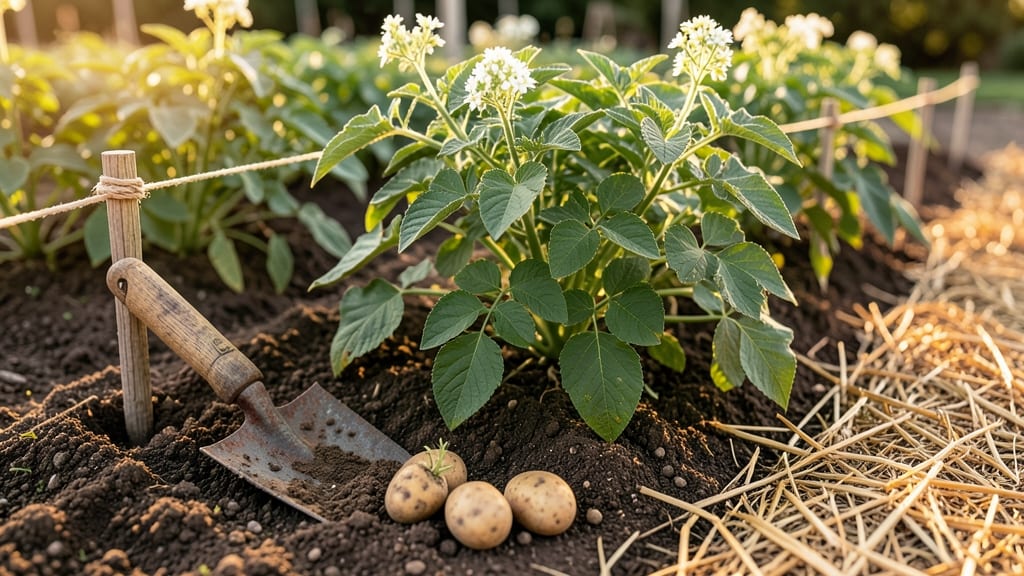
When is the best time to plant potatoes in Georgia? Timing your potato planting just right isn’t just about luck—it’s the difference between a bumper crop of zero-bolt 🥔 tubers and a sad, bitter harvest.
The best time to plant depends on soil temperatures (aim for 50-60°F) and your region’s microclimate, whether you’re in North or South Georgia.
Most gardeners in Georgia swear by early spring planting, but there’s a critical window you can’t miss—or risk watching your potatoes flower too soon. I’ll break down the exact soil temp tricks that keep your potatoes growing strong instead of bolting, plus how to adjust for Georgia’s humidity and pests.
You’ll discover why fall planting might actually work in some zones, which varieties handle Georgia’s heat best, and how to prep your soil for maximum success. Let’s get those spuds in the ground the right way.
No more guessing games—just proven strategies for the perfect potato harvest, tailored to Georgia’s unique growing conditions. Ready to dig in?
Georgia potato planting calendar: soil temperature rules to avoid bolting
Georgia’s warm, humid climate makes timing critical for potatoes—plant too early, and you’ll get bolted (flowering) tubers with bitter flavors. Too late, and your harvest shrinks. The key? Soil temperatures between 50-60°F trigger ideal sprouting without premature flowering.
In North Georgia’s Zone 7b, aim for mid-March to early April, while South Georgia’s Zone 8a can start as early as late February.
Fall planting is possible too, but only in Georgia’s cooler microclimates like the mountains. Plant seed potatoes 4-6 weeks before first frost (typically mid-September to early October) for a late harvest. Most gardeners skip fall planting in humid lowlands—disease pressure spikes when nights stay warm.
Use a soil thermometer to confirm readiness. Dig 4 inches deep—50°F is the minimum for planting, but 55-60°F speeds up tuber formation. In North Georgia, wait for consistent 50°F+ nights to avoid frost damage to young plants.
In South Georgia, heat can be the bigger enemy—plant early to avoid 90°F+ soil, which stresses tubers.
Here’s your Georgia potato planting calendar broken down by region and soil temp rules:
| Region | USDA Zone | Best Planting Window | Soil Temp Threshold | Key Risk |
|---|---|---|---|---|
| North Georgia (Athens, Blue Ridge) | 7b | Mid-March to early April | 50-60°F (day)/45°F+ (night) | Late frosts, slow soil warming |
| Central Georgia (Macon, Columbus) | 8a | Late February to early March | 55-65°F (day)/50°F+ (night) | Heat stress if planted late |
| South Georgia (Valdosta, Savannah) | 8b | Late January to mid-February | 60-70°F (day)/55°F+ (night) | Humidity + high temps = bolting |
| Mountain Microclimates (Rabun, Dahlonega) | 6b-7a | Late March to April (spring) OR mid-Sept (fall) | 45-55°F (spring)/50-60°F (fall) | Short growing season |
For spring planting, time it so tubers have 90-120 days to mature before summer heat sets in. In North Georgia, this means planting early enough for harvest by late June.
In South Georgia, aim to finish by mid-June to avoid 90°F+ soil, which causes hollow heart and scab.
Pro tip: Chit your seed potatoes (sprout indoors in light) 2-3 weeks before planting. This gives you a 2-week head start on growth once soil temps hit 50°F.
Place them near a sunny window—sprouts should be 1/2-inch long before planting. Skip this step in South Georgia, where heat can over-stress chitted potatoes.
Watch for bolt signs: tall stems with yellow flowers mean your potatoes are flowering prematurely. This happens when days get too long (14+ hours of light) or soil temps stay above 65°F for weeks.
In Georgia, this is more common in South Georgia—choose early-maturing varieties like ‘Red LaSoda’ (60 days) to avoid bolting.
If you miss the spring window, don’t panic—fall planting works in Georgia’s cooler zones. Plant 4-6 weeks before first frost (usually mid-September) and harvest before ground freezes.
Use black plastic mulch to warm soil faster in North Georgia or straw mulch to insulate in South Georgia’s hotter fall.
Remember: Soil temp > air temp for potatoes. A 60°F day with 50°F soil will stunt growth. Use a soil thermometer—it’s the only way to avoid bolting and maximize tuber size in Georgia’s unpredictable climate.
Plant when the ground is warm enough to work, and your potatoes will reward you with sweet, zero-bolt harvests.
Georgia potato planting calendar: soil temperature rules to avoid bolting
Georgia’s humid subtropical climate creates unique challenges for potato growers. Unlike northern states, we can’t rely solely on frost dates—soil temperature is the real game-changer. Planting too early when soils are still below 50°F triggers premature bolting, while waiting too late risks stunted growth from summer heat.
The ideal window is when soil reaches 50-60°F at 4-inch depth.
For most of Georgia, this translates to late February to early March in North Georgia (Zones 7b-8a) and mid-March to April in South Georgia (Zones 8a-9a). However, these dates shift based on microclimates—coastal areas may wait until April, while mountain regions can start as early as February.
⚠️ CRITICAL WARNING: Never plant when daytime temps exceed 75°F—this accelerates bolting. Use a soil thermometer to confirm readiness rather than guessing by calendar dates.
| Region | Planting Window | Soil Temp Threshold | Key Risk |
|---|---|---|---|
| North Georgia (Zones 7b-8a) | Late Feb - Early Mar | 50-60°F | Late frosts |
| Central Georgia (Zones 8a-8b) | Mid-Mar - Early Apr | 55-65°F | Heat stress |
| South Georgia (Zones 8a-9a) | Late Mar - Apr | 60-70°F | Bolting |
Did you know Georgia’s fall planting can actually work in some zones? For South Georgia (Zones 8b-9a), you can plant late summer (August-September) for a fall harvest before first frost.
The key is using early-maturing varieties (like ‘Red LaSoda’) and planting when soil temps drop to 70-75°F—this gives tubers time to develop before winter sets in.
Pro tip: In North Georgia, consider straw mulch (4-6 inches) after planting to regulate soil temps and prevent bolting during warm spells. This buys you 2-3 extra weeks of ideal growing conditions.
Timing isn’t just about the calendar—it’s about soil science. By mastering these temperature thresholds, you’ll avoid the heartbreak of bolted potatoes and instead enjoy plump, flavorful tubers all season long. The secret? Patience and a soil thermometer—no guessing allowed!