
Plants
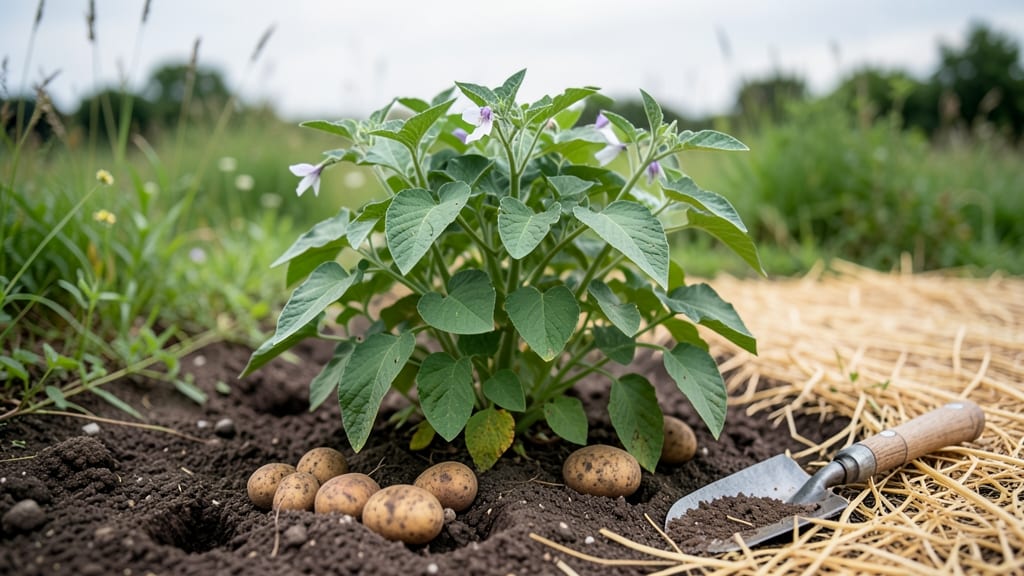
Planting potatoes in Pennsylvania at the wrong time can mean the difference between a bumper crop of crisp, golden 🥔 and a sad, bolted disappointment. With USDA Zone 6a frost dates that hover around April 15, timing isn't just important—it's everything.
Most gardeners make one of two mistakes: planting too early and risking frost damage, or waiting too long and watching their potatoes struggle to mature before summer heat sets in.
The secret lies in understanding your microclimate—whether you're in Pittsburgh's urban heat island, the Appalachian foothills, or the Lake Erie shoreline.
In this guide, I'll walk you through the exact planting windows for Pennsylvania, including soil temperature tricks and variety recommendations that thrive in our unpredictable springs. You'll learn how to adjust for late frosts, extend your season with row covers, and even troubleshoot common mistakes that derail first-time growers.
By the end, you'll know precisely when to get those seed potatoes in the ground for maximum yield—no guesswork, just results. Let's dig in.
Pennsylvania potato planting calendar by hardiness Zone (USDA 5-7)
Pennsylvania’s diverse USDA zones 5-7 create unique challenges for potato growers. In Zone 5a (e.g., Scranton, Wilkes-Barre), frosts linger until mid-April, while Zone 7a (e.g., Harrisburg, Lancaster) enjoys frost-free soil by early March.
The key? Planting when soil reaches 50°F and counting 2-4 weeks before your last frost date—this prevents bolting (premature flowering) while maximizing tuber development.
Your potato variety also dictates timing. Early varieties (like 'Yukon Gold') thrive when planted 2-3 weeks before last frost, while late varieties (like 'Russet Burbank') need full-season growth and should go in 1-2 weeks after last frost.
For mid-season types (e.g., 'Kennebec'), aim for 2 weeks before last frost in Zones 6a-7a.
Here’s the zone-by-zone breakdown for Pennsylvania’s most reliable planting windows, including soil temperature thresholds and frost-free date calculations:
| Zone | Avg. Last Frost | Ideal Planting Window | Soil Temp Threshold | Best Varieties |
|---|---|---|---|---|
| 5a (e.g., Scranton) | April 15–May 1 | March 20–April 10 | 50°F+ (10°C+) | Early: 'Red LaSoda', 'Kennebec'; Late: 'Russet Norkotah' |
| 6a (e.g., State College) | April 1–April 15 | March 1–March 25 | 50°F+ (10°C+) | Mid: 'Yukon Gold', 'Adirondack Red'; Late: 'Katahdin' |
| 7a (e.g., Harrisburg) | March 20–April 1 | February 25–March 15 | 45°F+ (7°C+) | Early: 'Chieftain', 'Pontiac'; Late: 'Minnesota Gem' |
For Zone 5a growers, use row covers or cold frames to plant 2-3 weeks earlier—this extends your season by 10-14 days without risking frost damage.
In Zone 7a, you can even try late-winter planting (February) with heated seedling mats for a jump-start, but avoid planting before February 25 unless you’re using container gardening with controlled warmth.
Pro tip: Chit your seed potatoes 2-4 weeks before planting to ensure uniform sprouting. Place them in a bright, cool (60°F) spot with light exposure—this gives you a 7-10 day head start on growth. Skip this step in Zone 7a, where warmer soils accelerate sprouting naturally.
Adjust your planting depth based on soil type. In sandy soils (common in PA’s western regions), plant 3-4 inches deep to retain moisture. In clay-heavy soils (eastern PA), go 4-5 inches deep to prevent waterlogging.
Always space seed potatoes 12 inches apart in rows 3 feet apart—this gives tubers room to bulk up without competing.
Watch for false springs—a warm spell in March followed by a hard freeze in April can devastate young plants. If temperatures dip below 32°F after planting, cover rows with straw mulch (4-6 inches thick) or black plastic to insulate soil.
In Zone 6a, this buffer is critical for early April plantings.
Harvest timing varies by variety but aligns with foliage yellowing. For early potatoes, dig 70-90 days after planting; for late varieties, wait 120-140 days. In Zone 5a, aim to harvest before October 1 to avoid tuber rot from early frosts.
Store potatoes in a cool (40-50°F), dark, humid (85-90%) environment for 3-6 months of freshness.
🌱
How to adjust planting dates for Pennsylvania’s microclimates (urban vs. rural vs. mountain)
Pennsylvania’s geography creates wildly different growing conditions—from Pittsburgh’s urban heat islands to the chilly Appalachian highlands. Your microclimate dictates when to plant potatoes, sometimes by weeks. For example, Erie’s lake-effect cooling can delay last frosts by 2 weeks compared to Harrisburg’s inland climate.
In cities like Philadelphia or Pittsburgh, pavement and buildings trap heat, warming soil faster. Start seed potatoes indoors in late February (4-6 weeks before your zone’s last frost) to get a jump on the season.
Rural areas like State College can plant directly in soil by mid-April, while mountain regions (e.g., Scranton) may need to wait until late April or early May.
Here’s how to adjust your timing based on where you garden in PA:
🌡️ Microclimate Planting Adjustments
Plant 2-3 weeks earlier than zone average. Use black plastic mulch to warm soil faster.
Follow standard zone timing (2-4 weeks before last frost). Ideal for early varieties like 'Yukon Gold'.
Delay planting by 1-2 weeks. Use row covers or plant in containers for earlier starts.
Adjust for late frosts. Plant late April or use cold frames for early varieties.
For late starts (common in mountain zones), try container growing. Fill 5-gallon buckets with potting mix and plant seed potatoes indoors by March 1. Move containers outside 2 weeks before last frost—they warm up faster than garden soil. This trick adds 3-4 weeks to your growing season.
If you’re in a heat-prone urban area, prioritize early-maturing varieties like 'Red Norland' (80 days) to avoid summer bolting. For cooler zones, opt for late blight-resistant types like 'Kennebec' (110 days), which handle Pennsylvania’s humid summers better. Always check Penn State Extension’s frost maps for your exact location.
Pro tip: Mark your last frost date on a calendar and count backward. For USDA Zone 6a (most of PA), aim to have sprouted seed potatoes ready to plant 2-3 weeks before April 15.
Use a soil thermometer—potatoes thrive when soil hits 50°F+ consistently for 10 days. If your soil’s cold, wait; if it’s too warm (above 75°F), your potatoes may bolt prematurely.