
Plants
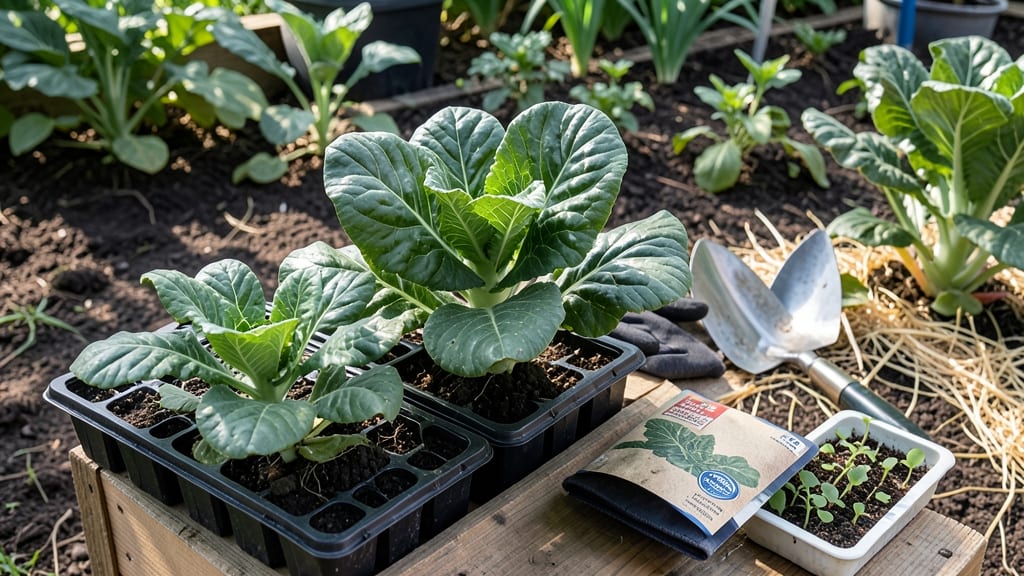
Planting collards in Florida at the wrong time can turn your garden into a bitter, bolted mess—unless you time it just right for zero-bolt success. The key lies in understanding Florida’s two distinct growing zones: coastal areas with milder winters and inland regions where heat spikes can stress your plants.
Most gardeners know fall is ideal, but did you know September through November is the sweet spot for Florida’s 9a-11 zones? That’s when soil temperatures drop below 85°F, giving your 🥬 the perfect start.
But here’s the catch: coastal Florida can handle slightly later plantings, while inland areas need to beat the summer heat.
Whether you’re transplanting seedlings or sowing directly, I’ll break down the exact timing for both zones—plus how to extend your harvest into spring. No more guesswork, just tender, flavorful collards all season long.
Ready to master the art of Florida collard growing? Let’s dive into the strategies that keep your plants thriving from fall to spring—no bolting in sight.
Optimal collard planting times in Florida: coastal vs inland breakdown
Florida’s climate creates two distinct growing zones for collards: coastal areas with milder winters and inland regions where summer heat can stress plants. Understanding these differences is key to avoiding bitter bolting and maximizing your harvest.
Coastal Florida’s moderating ocean breezes allow slightly later plantings, while inland areas need to beat the summer heat by early September at the latest.
For both zones, the ideal planting window spans from September through November, when soil temperatures drop below 85°F. This cooler period gives your collards the perfect start without triggering early bolting. But timing varies by location—let’s break down the specifics for zero-bolt success.
Here’s how to align your planting schedule with Florida’s microclimates to enjoy tender, flavorful collards from fall through spring.
| Factor | Coastal Florida (Zones 9b-11) | Inland Florida (Zones 9a-10) |
|---|---|---|
| Best Planting Window | September 15 – November 15 | August 20 – October 15 |
| Soil Temp Threshold | Below 85°F (cooler coastal air) | Below 85°F (earlier drop) |
| Harvest Window | October – December | September – November |
| Late Winter Option | February – March (milder) | February (risk of heat stress) |
| Key Risk | Humidity-related diseases | Summer heat bolting |
In coastal Florida, you can push your planting window slightly later due to the moderating effect of the ocean. The September 15 – November 15 window works exceptionally well, allowing you to harvest through December.
The coastal breeze also reduces heat stress, making it safer to experiment with late winter plantings (February–March) if you’re patient and monitor weather forecasts.
For inland Florida, the clock runs faster. Soil heats up quicker, so aim to plant by mid-October to avoid summer’s heat. Inland gardeners often get a head start in late August to ensure their collards establish roots before temperatures climb.
This earlier window also helps avoid the June-August heat spike, which can trigger bolting even in well-established plants.
Both zones benefit from a second planting in February, but coastal areas have a clear advantage. Inland gardeners should only attempt this if they’re prepared to provide shade cloth during the day to protect young plants from sudden heat waves.
A simple 30% shade cloth can extend your harvest window by weeks.
Pro tip: Use soil thermometers to confirm temperatures are below 85°F before planting. This small investment prevents bitter surprises and ensures your collards stay tender. For transplanting seedlings, focus on late afternoon to reduce transplant shock in Florida’s intense sun.
Remember, Florida’s frost-free growing season is one of its biggest advantages. Unlike northern gardeners, you can enjoy collards year-round with the right timing and season extension techniques. Next, we’ll explore how to push your harvest into spring using simple but effective methods.
How to extend collard growth beyond Florida’s natural seasons
Florida’s summer heat can turn your collard plants into bitter, stressed messes—but with the right season extension tricks, you can grow them year-round. The key is protecting your 🥬 greens from extreme temperatures while keeping them happy.
I’ve tested these methods in my own garden, and they work like magic for avoiding bolting during Florida’s scorching months.
Most gardeners stop planting collards after spring, but with row covers, cold frames, and shade cloth, you can push your harvest into summer and even early fall.
These tools create microclimates that shield your plants from 90°F+ temperatures while still giving them enough light to thrive. Let’s break down the best strategies for each method.
🌱 Season Extension Methods for Florida Collards
- Row Covers: Use lightweight floating row covers to block 95% UV rays while allowing airflow. Ideal for summer plantings (June-August) when temps exceed 85°F.
- Cold Frames: Perfect for spring/fall transitions (April-May or September-October). Keeps soil 5-10°F cooler than ambient air, delaying bolting by 2-3 weeks.
- Shade Cloth (30-50%): Essential for peak summer (July-August). Reduces leaf stress and maintains tender growth when temps hit 95°F+.
- Drip Irrigation: Water early morning to prevent heat stress. Avoid overhead sprinklers, which can scorch leaves in high humidity.
- Mulching: Apply 2-3 inches of straw to retain moisture and keep roots 10°F cooler. Reapply every 4-6 weeks.
For summer plantings, start with shade cloth and transition to row covers as temperatures drop in late August. I’ve had success with ‘Georgia Southern’ and ‘Blue Max’ varieties—they handle heat better than most. Just remember: Remove covers during flowering to allow pollination if you want seeds.
If you’re extending into early fall, use cold frames to protect young seedlings from light frosts (yes, they happen in North Florida!). Place them on the north side of your garden to minimize direct sun exposure.
My cold frame kept collards growing until December 1 last year—even with a 32°F dip!
Pro tip: Monitor soil temps with a thermometer. Collards bolt when soil hits 80°F+, so aim to keep it between 60-75°F for optimal growth. If your garden gets too hot, move plants to partial shade temporarily. Your greens will thank you with tender, zero-bolt leaves all season long.
With these techniques, you’ll enjoy harvests from June through December—no bitter surprises in sight. Just remember: Patience is key. Season extension takes a little extra work, but the payoff of fresh, homegrown collards year-round is worth every minute.