
Plants
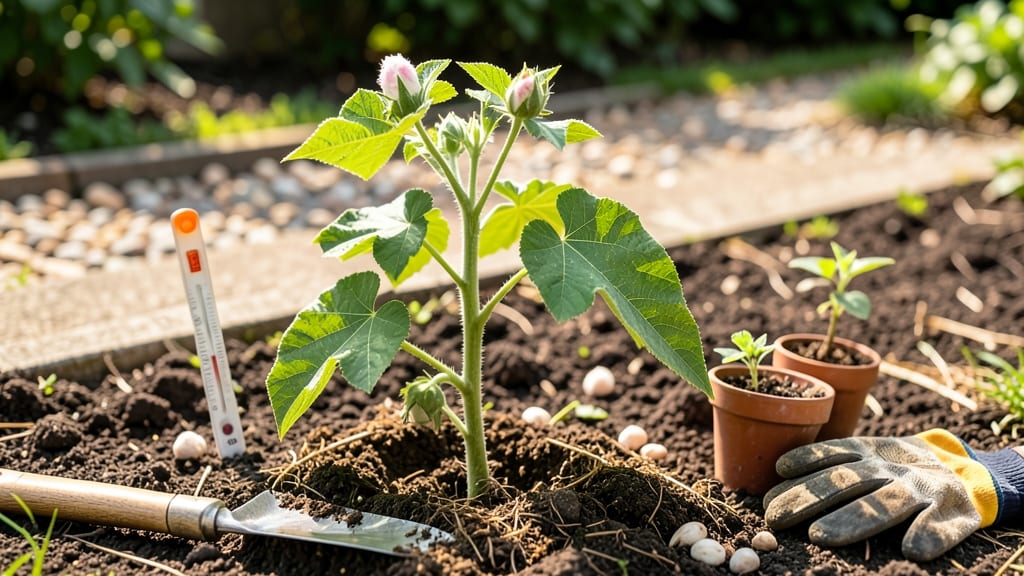
Timing your cotton planting in North Carolina isn't just about the calendar—it's about catching that sweet spot between late April and early June when soil temperatures finally cooperate. Miss this window, and you risk stunted growth or pests getting the upper hand before your 🧵 plants even take off.
Here's the thing: cotton thrives in NC's 7b-8a zones, but it demands warmth to germinate properly. Plant too early, and you're betting on frost-free luck; too late, and your harvest season shrinks faster than summer in Raleigh.
The key is waiting until the soil hits 70°F+, which typically aligns with those late spring dates.
Whether you're growing cotton commercially or just experimenting in your backyard, understanding these nuances makes all the difference. I'll walk you through exactly how to time your planting for maximum success—no guesswork required.
From soil prep to regional variations (coastal vs. Piedmont), we'll cover everything you need to know to give your cotton plants the strong start they deserve. Let's get those seeds in the ground at the perfect moment.
Optimal planting windows for NC heat zones 7b and 8a
North Carolina’s Heat Zones 7b and 8a create a unique challenge for growing cotton (Gossypium hirsutum). The 210-day frost-free season gives you a narrow window to plant, but timing directly impacts your yield and pest resistance.
In Zone 7b, aim for late April to early May, while Zone 8a gardeners can start as early as mid-April—but only if soil temperatures stay above 60°F.
Cotton thrives in warm soil (70°F+), which is why soil thermometers are your best friend. Planting too early risks seed rot from lingering cool nights, while late starts may lead to immature plants before the first frost in November.
The key is balancing frost-free dates with heat accumulation—NC’s humid summers demand quick, robust growth.
Here’s the critical comparison for planting cotton in NC’s transitional zones, including early vs. late trade-offs:
For Zone 7b gardeners, I recommend starting seeds indoors 6-8 weeks before your last frost date (around March 1) to give seedlings a head start. Transplant outdoors only after nighttime temperatures stay above 55°F consistently.
In Zone 8a, you can direct-sow seeds as early as mid-April, but monitor soil moisture—NC’s clay soils dry out faster than you think.
One critical mistake I see in both zones is planting cotton too close to summer’s peak heat. While cotton loves warmth, temperatures above 95°F can stress plants, leading to boll rot.
In Zone 8a, aim to finish planting by late April to avoid this. Use mulch (straw or black plastic) to regulate soil temperature and retain moisture during NC’s humid summers.
If you’re growing cotton for fiber or seeds, prioritize varieties like 'Deltapine 15', which matures in 120-150 days. This aligns perfectly with NC’s 210-day growing season. For earlier harvests, consider transplanting seedlings instead of direct-s
Preparing your NC soil for cotton success: key steps
North Carolina’s clay-heavy soils and humid climate demand special prep before planting cotton. Without proper soil prep, your plants may struggle with root rot or nutrient deficiencies. Start by testing your soil’s pH level—cotton thrives in slightly acidic to neutral soil, ideally between 6.0 and 7.0.
If your soil tests higher or lower, amend it gradually to avoid shocking the roots.
Drainage is critical in NC’s wetter regions. Cotton roots need well-aerated soil to prevent waterlogging. If your garden holds water after rain, mix in organic matter like compost or aged manure to improve structure.
For heavy clay soils, consider raising beds or planting on slopes to enhance drainage. This step alone can double your cotton’s survival rate.
- 🌱 Test Soil pH: Aim for 6.0-7.0—use lime to raise pH or sulfur to lower it gradually over 2-3 months.
- 💧 Improve Drainage: Add 2-3 inches of compost or sand (coarse, not fine) to break up clay. Mix to a depth of 6-8 inches.
- 🪴 Add Organic Amendments: Work in well-rotted manure or leaf mold to boost fertility and microbial activity.
- ☀️ Mulch Heavily: Use straw or pine needles (2-3 inches thick) to retain moisture and suppress weeds while keeping roots cool.
- 📋 Monitor Moisture: Cotton needs consistent moisture but hates soggy soil—water deeply 2-3 times per week during dry spells.
North Carolina’s humid summers can lead to fungal diseases if soil stays too wet. After amending, create raised mounds or ridges for planting cotton. This elevates roots slightly, reducing the risk of root rot while improving airflow.
Space mounds 18-24 inches apart to allow airflow between plants, which is especially important in NC’s Heat Zone 8a.
One often-overlooked step is pre-planting fertilization. Cotton is a heavy feeder but sensitive to excess nitrogen early on. Apply a balanced fertilizer (10-10-10) at planting time, then side-dress with compost tea or a low-nitrogen organic fertilizer 6-8 weeks later.
This two-step approach prevents leafy growth at the expense of bolls, a common issue in NC gardens.
Finally, consider cover cropping in fall to prepare soil for next year’s cotton. Plant clover or winter rye after harvest to fix nitrogen and prevent erosion.
Till it into the soil 4-6 weeks before planting to maximize benefits. This practice reduces your need for synthetic fertilizers and builds soil health over time.
With these steps, your NC soil will be primed for cotton success—giving roots the stable, well-draining foundation they need to thrive in the state’s challenging climate. 🌱