
Plants
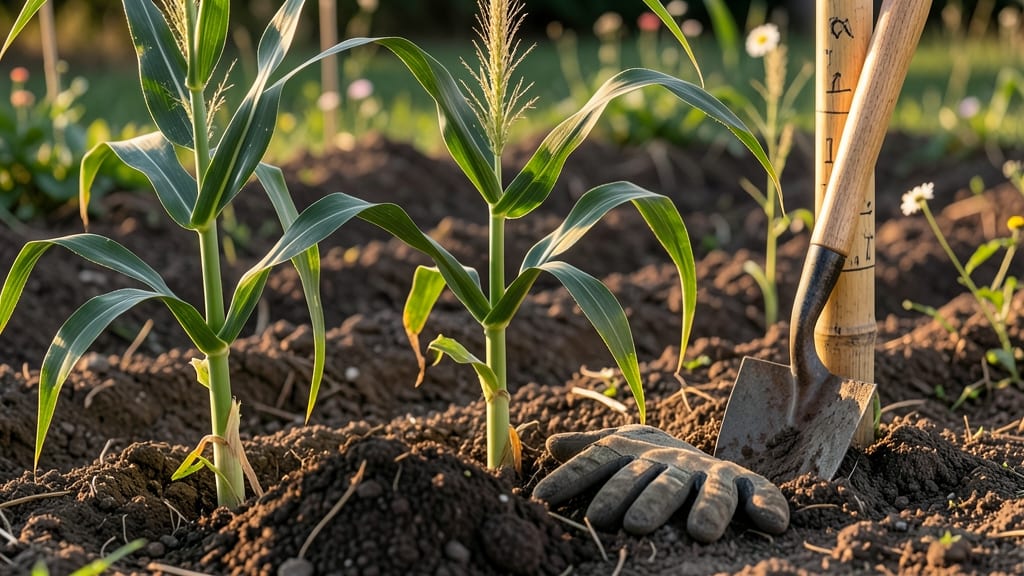
Planting corn in Zone 9’s brutal heat isn’t just about timing—it’s about outsmarting the climate. If you’ve ever watched your seedlings wilt under 100°F+ temps or struggled with uneven harvests, you know the stakes.
The key? Starting late winter to early spring when soil finally warms past 60°F, but before the real heat sets in.
Zone 9 gardeners face a unique challenge: no frost to worry about, but scorching summers that demand heat-resistant varieties and precise planting windows. Unlike cooler zones, your corn must hit the ground fast—March or early April is ideal—to avoid the May-July furnace.
Miss this window, and you’re left with stunted plants or worse.
Here’s what you need to know: the 3-phase planting strategy that works in Southern California, Arizona, and Nevada, plus the top 5 heat-tolerant varieties that actually thrive here.
We’ll cover soil prep, watering hacks, and how to stretch your growing season with mulch—so you can go from seed to ear without the summer heat stress.
Ready to grow corn that actually survives Zone 9? Let’s break down the exact schedule, variety picks, and pro tips to turn your heat into an advantage—not a roadblock.
Optimal planting windows for Zone 9 corn: avoiding heat stress and frost
Zone 9’s unpredictable microclimates and triple-digit heat make corn planting a balancing act. Unlike cooler zones, you can’t rely on traditional spring schedules—corn hates both frost and scorching sun. The key is planting in three strategic windows to stretch your harvest across the season while avoiding heat stress.
First, soil temperature is your best guide. Corn seeds need consistent 60°F (15°C) soil temps to germinate. In Zone 9, this typically happens mid-February to early March in coastal areas, but late March in inland deserts like Phoenix or Las Vegas.
Use a soil thermometer to confirm—cold soil delays germination, and slow starts mean weak seedlings.
Here’s the 3-phase planting strategy I swear by for Zone 9 success:
The early window (February-March) gives you a head start before summer heat peaks. Plant heat-tolerant varieties like Silver Queen, which matures in 75-80 days. This batch avoids the worst of Zone 9’s 100°F+ afternoons and lets you harvest by late May.
For the mid-window (March-April), switch to slightly faster-maturing varieties like Ambrosia (80-85 days). These plants will bolt through spring’s warming trend and finish before the June-July heatwave. Space them 12 inches apart—corn needs room to photosynthesize efficiently in bright Zone 9 sun.
The late window (April-May) is risky but rewarding. Use dwarf varieties like Golden Bantam (60-65 days) to harvest before July’s scorching temps. This is your insurance crop—if your early batches fail, these fast growers save your season. Mulch heavily with straw to keep roots cool.
Pro Tip: In desert microclimates (e.g., Palm Springs, Tucson), push planting to May using shade cloth (30-50% block). This delays heat stress by 2-3 weeks. Just water deeply every morning—corn wilts fast in 95°F+ temps.
Avoid planting after May 15 unless you’re using dwarf varieties in high-altitude Zone 9a (e.g., Flagstaff, Reno). Below 5,000 feet elevation, summer heat will stunt growth or cause ear rot. If you miss these windows, try container-grown corn near a drip irrigation system for controlled moisture.
Finally, track your local frost dates—even Zone 9 gets light frosts in foothills. Use frost-free date calculators (like [Almanac’s Zone 9 tool](https://www.almanac.com)) to adjust. For example, Los Angeles’ last frost is January 15, but Yuma’s is never—so plant year-round there with shade.
Timing is everything in Zone 9. Stick to these windows, and you’ll beat the heat while enjoying sweet, homegrown corn from spring to early summer. 🌽
Optimal planting windows for Zone 9 corn: avoiding heat stress and frost
Zone 9’s climate throws a curveball for corn growers—frost-free winters and scorching summers demand precision timing. Unlike cooler zones, you won’t face frost damage, but heat stress can kill seedlings if planted too early.
The key? Plant when soil hits 60°F (15°C) and temperatures stabilize above 75°F (24°C). This usually lands in late February to early April, depending on your microclimate.
For maximum yield, use a 3-phase planting strategy: start with early varieties in February, mid-season in March, and late varieties in early April. This spreads harvest times and accounts for Zone 9’s unpredictable heat spikes.
Desert areas like Phoenix can plant 1-2 weeks earlier, while coastal zones (e.g., San Diego) may wait until mid-March to avoid coastal fog delays.
| Planting Phase | Best Month | Soil Temp | Heat Risk | Notes |
|---|---|---|---|---|
| Early Season | Late February | 60°F+ (15°C) | Low (cooler nights) | Use black plastic mulch to warm soil faster. |
| Mid Season | March | 65°F+ (18°C) | Moderate (daytime heat) | Best for sweet corn—harvest before temps exceed 90°F (32°C). |
| Late Season | Early April | 70°F+ (21°C) | High (peak summer) | Choose heat-tolerant varieties like ‘Ambrosia’. |
Avoid planting after April 15—seedlings struggle to establish roots when daytime temps exceed 95°F (35°C). Instead, opt for succession planting every 2 weeks until early May to stagger harvests. In desert climates, evening watering (after 7 PM) reduces evaporation, while coastal areas benefit from morning watering to prevent fungal diseases like corn smut.
Pro tip: Test your soil before planting—Zone 9 soils often lack phosphorus, which corn craves for root development. Aim for a pH of 6.0–7.0 and amend with composted manure or a balanced 10-10-10 fertilizer at planting.
Side-dress with half-strength fertilizer when plants reach 6 inches tall to boost ear production.
If you’re in a high-desert area (e.g., Flagstaff, AZ), plant earlier (January) and use shade cloth for seedlings until soil warms. For coastal Zone 9 (e.g., San Diego), delay until mid-March to escape lingering coastal fog, which delays germination.
Monitor 7-day forecasts—plant only when no rain is predicted for 48 hours to prevent waterlogged seeds.
Timing isn’t just about months—it’s about microclimates. A south-facing slope warms faster than a north-facing garden, so adjust accordingly. With the right schedule, you’ll beat Zone 9’s heat and enjoy sweet, plump ears by June or July—just in time for summer grilling! 🌽