
Plants
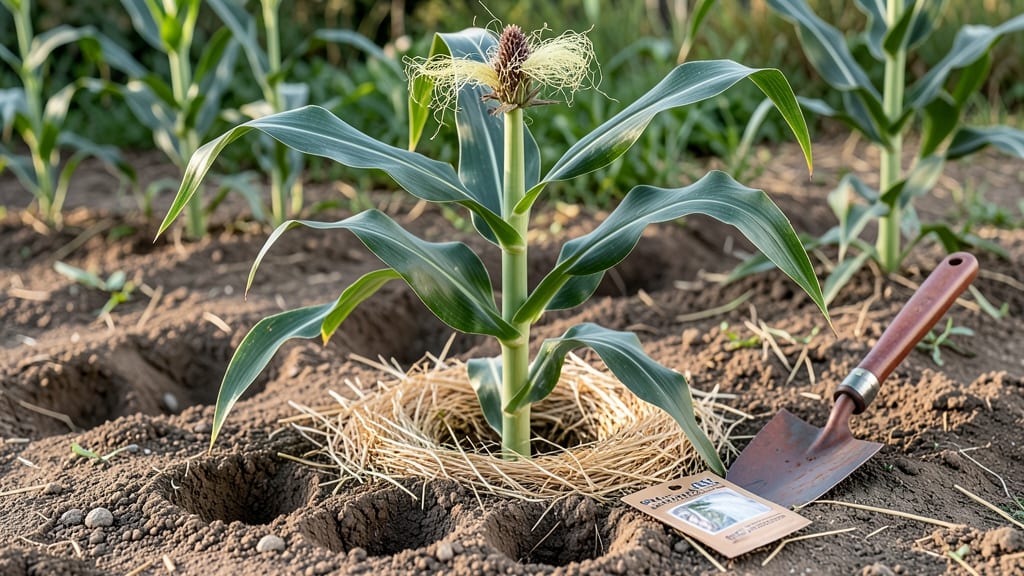
Planting corn in Zone 9b at the wrong time means watching your 🌽 stalks struggle through scorching heat instead of growing strong and sweet. Unlike cooler climates, timing here isn't just about avoiding frost—it's about beating the summer's relentless sun while giving your plants enough warmth to thrive.
Most gardeners in Phoenix or the Southern California desert know the drill: rush to plant in March or early April when soil temperatures hit that sweet spot of 60°F.
But here's the catch—if you wait too long, your corn will bolt (spike tall but produce poor ears) before the ears even form. The key is catching that narrow window where the ground is warm enough to germinate quickly, but the air stays cool enough for steady growth.
Don't let the "no frost" myth fool you—Zone 9b's unpredictable cold snaps can still sneak in, especially at night. That's why I'll show you how to time your planting for maximum success, whether you're going for a spring harvest or experimenting with late-summer varieties that avoid the peak heat.
Ready to grow corn that actually tastes like corn?
You'll also discover which heat-tolerant varieties perform best in this climate, how to adjust your watering schedule to prevent stress, and why some gardeners swear by planting in August for a fall harvest. Let's get those seeds in the ground the right way.
Best planting months for corn in Zone 9b: avoiding heat stress
Corn thrives in Zone 9b, but its success hinges on planting at the right time. Unlike cooler climates, Zone 9b’s year-round warmth means corn can be planted twice—once in early spring and again in late summer.
The key is avoiding peak heat stress, which can stunt germination and reduce ear development.
For most Zone 9b gardeners, the ideal planting window is between mid-March and early April. This timing ensures soil temperatures are consistently above 60°F, a critical threshold for corn seeds to sprout.
Planting too early risks cold soil, while planting too late exposes young plants to intense midday heat.
Here’s the breakdown of what to prioritize for optimal stalk growth in Zone 9b’s climate:
| Factor | Zone 9b Specification | Why It Matters |
|---|---|---|
| Soil Temperature | 60°F+ | Seeds rot below 50°F; slow to sprout below 60°F. |
| Planting Window | March–April | Balances warmth and avoids extreme heat waves. |
| Sunlight Needs | 8+ hours/day | Full sun prevents weak stalks and poor ear formation. |
| Watering Schedule | Daily (1–2 inches/week) | Drought stress causes ears to dry out or develop poorly. |
| Harvest Window | May–July | Aligns with cooler morning temps for peak sweetness. |
Zone 9b’s microclimates can vary dramatically—coastal areas stay cooler longer, while inland deserts heat up faster. For example, gardeners in Phoenix should plant corn by mid-March, while those in San Diego might extend planting until late April.
Always check your local last frost date (even if rare) and adjust accordingly.
If you miss the spring window, don’t worry—Zone 9b’s climate allows for a second planting in late summer (August–September). This strategy lets you harvest corn in fall, avoiding the brutal summer heat. However, this requires heat-tolerant varieties and extra attention to irrigation to prevent drought stress.
One common mistake is planting corn too close to extreme heat waves, which can cause seeds to dry out before germinating. To avoid this, use a soil thermometer to confirm temperatures are stable at 60°F+ before planting.
If your soil is still cool, consider mulching with straw to warm it faster.
For best results, pair your planting schedule with companion planting. Corn benefits from nearby beans or squash, which improve soil nitrogen and provide shade for young seedlings. Avoid planting near tomatoes or cabbage, as they compete for nutrients and attract similar pests.
Finally, remember that corn is a heavy feeder, so amend your soil with compost or aged manure before planting. In Zone 9b, where soils can be sandy or clay-heavy, this step is non-negotiable for strong stalks and plump ears.
With the right timing and care, you’ll be enjoying homegrown corn in no time!
How to adjust planting for Zone 9b’s late-summer harvest strategy
If you’ve ever tried planting corn in Zone 9b’s brutal summer heat, you know the struggle: seeds either rot in the soil or sprout into weak stalks that bolt before forming ears.
The solution? Plant in late summer—August or early September—to avoid the peak heat while still giving your corn enough time to mature before winter. This strategy works because cooler fall temperatures slow down growth just enough to prevent bolting, while the long daylight hours keep your plants productive.
My favorite late-summer planting window is mid-August to early September, when daytime highs drop below 95°F and nighttime temps stay above 65°F. This timing lets you harvest sweet corn in October or November, just before the first cold snap.
The key is choosing the right varieties and adjusting your watering schedule to prevent stress during this critical transition period.
Here’s how to execute this strategy flawlessly, from seed selection to companion planting:
Select short-season varieties like ‘Silver Queen’ (70 days) or ‘Peaches and Cream’ (80 days). These mature quickly and handle late-summer heat better than longer-season types. Avoid sweet corn varieties that require 90+ days—they won’t finish before winter.
Test soil temperature—it should be 65–75°F for germination. Amend with compost and aged manure to improve moisture retention. In sandy soils (common in Zone 9b), add peat moss or coconut coir to hold water longer.
Plant seeds 1–1.5 inches deep in hills spaced 12 inches apart. Drop 2–3 seeds per hill to ensure at least one strong sprout. Thin to the strongest stalk once seedlings are 6 inches tall.
Water 1–2 inches per week, focusing on the root zone. Use a soaker hose or drip irrigation to avoid wetting foliage (prevents fungal diseases). Mulch with straw or grass clippings to retain moisture and cool roots.
Interplant with beans or squash to improve soil nitrogen and deter pests. Avoid planting near tomatoes or cabbage, which compete for nutrients. A living mulch of clover can also suppress weeds and retain soil moisture.
Watch for rapid stalk elongation (bolting). If plants spike too fast, reduce water slightly and shade with row covers during the hottest part of the day. Bolting usually means the corn won’t develop proper ears—so act quickly!
Pick ears when husks pull back easily and kernels are milky when pierced. In Zone 9b, this typically happens in October or November. Store unharvested ears in a cool, dark place for up to 2 weeks if needed.
This late-summer strategy isn’t just about avoiding heat—it’s about extending your growing season when spring planting feels too risky. By choosing the right varieties and tweaking your care routine, you can enjoy homegrown corn long after your neighbors’ gardens have gone dormant.
Plus, fall-harvested corn often tastes sweeter because the cooler temps slow down starch conversion.
Pro tip: If you’re new to late-summer planting, start with a small test patch of 4–6 hills. This lets you refine your timing and watering approach before committing to a full garden.
And remember—patience is key. Corn planted in August grows slower at first, but it’ll reward you with sturdy stalks and plump ears when the weather cools.
🌽