
Plants
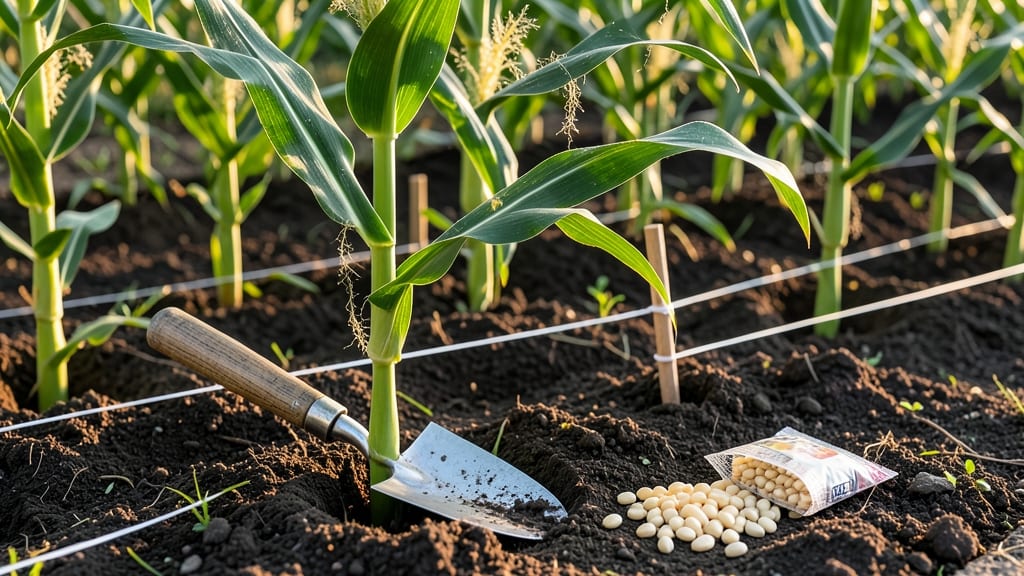
Timing your corn planting in Idaho wrong could mean the difference between a bumper crop of golden 🌽 ears and a sad, frost-nipped disappointment. The state’s dramatic shifts from freezing mountain air to scorching valley heat make traditional planting charts useless—what works in Boise fails in Lewiston, and vice versa.
Most gardeners assume they should follow the USDA zone 6-7 rulebook, but Idaho’s microclimates demand a more precise approach.
I’ve dug into local frost data and talked to farmers who’ve perfected their schedules, and what I’m about to share will help you avoid those critical 2-week windows where a late frost wipes out your entire season.
Whether you’re in the Treasure Valley’s warm pockets or the high desert’s cooler stretches, knowing exactly when to get those seeds in the ground is the key to success. We’ll break down the optimal planting dates for your specific corner of Idaho—and trust me, it’s not what you’ve been told.
Get ready to plant with confidence, because once you master these microclimate-specific deadlines, your corn harvest will be the talk of the neighborhood. Let’s dive into the exact dates and strategies that actually work in Idaho’s unpredictable climate.
Idaho corn planting dates by microclimate zone (with frost risk analysis)
Idaho’s five distinct growing zones create dramatic differences in corn success—planting too early in the Panhandle risks frost damage, while Treasure Valley gardeners can push later dates. The key? Matching your last frost date with your corn’s maturity days to avoid wasting seeds or losing crops to fall frosts.
Most Idaho corn varieties need 90-120 frost-free days to mature. Using the wrong planting window can mean silage instead of sweet corn.
For example, a 100-day variety planted in Boise (Zone 7a) must be in the ground by May 15, while Lewiston (Zone 6b) has until May 25—a full 10 days difference.
Here’s how to determine your exact planting window using soil temperature and historical frost data, tailored to Idaho’s five key zones:
Notice how the Panhandle has a later frost date but shorter frost-free periods? That’s why short-season varieties like Ambrosia (85 days) thrive there, while Treasure Valley can handle 100-day varieties like Country Gentleman.
Always check your local USDA zone and adjust by 1-2 weeks if your microclimate runs cooler (e.g., near mountains) or warmer (e.g., urban heat islands).
For soil temperature checks, use a soil thermometer at 2-inch depth—corn seeds won’t germinate below 50°F. In cooler zones like the Panhandle, warm the soil by covering it with black plastic mulch 1-2 weeks before planting.
This can shave off critical days and extend your planting window by 7-10 days.
Pro tip: Plant early varieties first (e.g., Golden Bantam) as a "
How to adjust corn planting dates for Idaho’s unpredictable weather patterns
Idaho’s weather can shift faster than a mountain breeze, leaving gardeners scrambling when unexpected frosts or heatwaves strike. The key to success isn’t just planting at the "right" time—it’s being ready to adjust when Mother Nature throws curveballs.
I’ve learned the hard way that rigid schedules fail in Idaho’s volatile climate, so here’s how to stay flexible and protect your corn crop.
Start by monitoring your local soil temperature, not just air temperature. Corn seeds need soil at least 50°F (10°C) to germinate, but in Idaho’s high desert, that can mean waiting until mid-May while valley areas might be ready by late April.
Use a soil thermometer—it’s the only way to know for sure when conditions are right.
For gardeners in frost-prone areas like the Panhandle region, consider using frost cloth or row covers to create a microclimate that warms up faster. These lightweight fabrics can raise soil temperatures by 5-10°F (3-6°C), giving your corn a head start.
I’ve seen gardeners in Moscow extend their season by 2-3 weeks using this simple trick.
- 📅 Plant in stages: Sow half your seeds at the optimal time, then follow up 7-10 days later to hedge against frost. This ensures at least some corn matures even if early plants get nipped.
- ☀️ Use black plastic mulch to warm soil faster—especially in high-desert areas where cold nights delay planting. This can add 2-4 weeks of growing time.
- 🌡️ Check 5-day forecasts before planting. If freezing temps are predicted within 10 days, delay planting until conditions stabilize.
- 💧 Water deeply before frost to insulate roots. A 1-inch soaking 24 hours before a light frost can protect young plants.
- 🌾 Choose fast-maturing varieties (under 90 days) for northern Idaho. Silver Queen or Ambrosia can escape early fall frosts when slower varieties fail.
Heatwaves are another Idaho challenge, particularly in the Treasure Valley where summer temps can soar to 100°F (38°C). If planting during a heatwave, focus on evening watering to prevent seed desiccation.
I’ve had success with drip irrigation on timers set for dawn hours to keep soil consistently moist without wasting water.
For gardeners in elevated areas like Sun Valley, where nights stay chilly well into June, consider starting seeds indoors 2-3 weeks early and transplanting hardened-off seedlings.
This gives your corn a 3-week head start on the growing season, which can mean the difference between a harvest and a failed crop.
Finally, keep a backup planting schedule. If your primary planting gets hit by frost or drought, have extra seeds ready for a second attempt in late Juneunpredictable spring weather.