
Plants
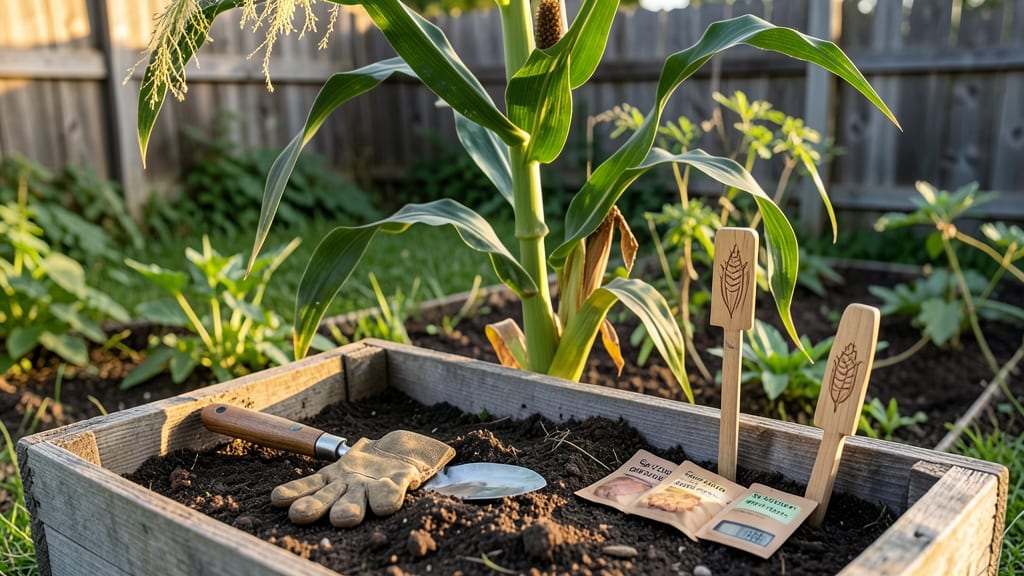
Planting corn in East Texas at the wrong time can mean the difference between a bumper crop of sweet 🌽 and a sad, stunted failure. The key window—mid-April to late May—aligns perfectly with your 8a heat zone, avoiding both late frosts and the brutal summer heat that stunts growth.
Why does timing matter so much? Because corn thrives when soil temperatures hit 60°F+, and waiting until 2-3 weeks after your last frost date (usually around March 15) gives seedlings the best start.
Miss this window, and you risk bolting (early flowering) or poor ear development—both major setbacks for harvests from late July to October.
In this guide, I’ll break down the exact planting deadlines for your region, soil prep tips to beat East Texas’ heavy clay, and how to adjust for heat stress.
Whether you’re growing sweet corn for the table or field corn for livestock, these strategies will help you maximize yields—no guesswork needed.
Ready to grow corn that’s taller than a basketball hoop and packed with flavor? Let’s get started with the steps that actually work in your climate.
East Texas corn planting deadlines by heat zone 8a frost dates
In East Texas (Heat Zone 8a), corn thrives when planted after the last frost date, typically around March 15, but timing varies by region.
Tyler and Longview gardeners should aim for mid-April to avoid frost damage, while Beaumont’s slightly warmer microclimate allows planting as early as late March. The key is waiting until soil temperatures hit 60°F+—cold soil stalls germination.
Your primary planting window spans mid-April to late May, ensuring harvests before summer’s brutal heat sets in. For sweet corn, this means ears mature by late July, while field corn and popcorn varieties can stretch harvests into October if planted early.
Miss the window? Don’t panic—June planting works for late-season varieties, though yields may suffer.
Here’s the critical timeline for East Texas:
| Stage | Action | East Texas Deadline | Notes |
|---|---|---|---|
| Soil Warm-Up | Wait for 60°F+ soil temp | Mid-to-late March | Use a soil thermometer; clay soils warm slower. |
| Primary Planting | Direct-seed sweet corn | Mid-April to late May | Avoid late May for sweet corn—heat stress reduces quality. |
| Backup Planting | Late-season field/popcorn | Early June | Choose drought-tolerant varieties like 'Pioneer 84G53'. |
| Harvest Window | Pick sweet corn at peak ripeness | Late July–October | Silks turn brown; kernels are milky when pierced. |
| First Frost Risk | Protect late plants | Mid-November | Use row covers to extend harvest by 2–3 weeks. |
For Tyler and Longview, aim for April 15–May 1 to align with local frost data, while Beaumont gardeners can push planting to late May thanks to its warmer climate.
Always check Almanac frost predictions—a late frost in April can devastate early plantings, so err on the side of caution.
Pro tip: Plant corn in blocks, not rows, to ensure cross-pollination. Space seeds 1 inch deep and 12 inches apart, with rows 30–36 inches apart for airflow.
Thin seedlings to 8–12 inches apart once they’re 6 inches tall—this prevents overcrowding and fungal diseases like corn smut, common in East Texas’ humidity.
If you’re starting corn indoors, begin seeds 2–3 weeks before your target outdoor date (e.g., late March for Tyler). Use biodegradable pots to transplant seedlings without disturbing roots. Harden off plants for 5–7 days before moving them outside to avoid transplant shock.
East Texas’ summer heat (often 95°F+) can stress corn, so prioritize early-maturing varieties (e.g., 'Silver Queen', 'Peaches and Cream') to harvest before temperatures peak. For field corn, varieties like 'Pioneer 84G53' handle heat better but require 120+ days to mature.
Remember: Corn is wind-pollinated, so plant at least 3 rows (or 40+ plants) to ensure good pollination. Isolated plants may produce small or malformed ears.
If your garden is small, consider companion planting with beans or squash to improve yields and deter pests like corn earworms.
Track your planting date and harvest progress in a garden journal—this helps refine timing for future years. In East Texas, July heat waves can cause ear rot, so mulch heavily with straw or grass clippings to retain moisture and regulate soil temperature.
🌽
How to adjust corn planting for East Texas soil and heat stress
East Texas' clay-heavy soils and scorching summer heat demand smart adjustments to grow corn successfully.
Unlike cooler climates, corn here needs soil temperatures above 60°F to germinate properly—and that means waiting until late April or early May for most varieties. Rushing risks poor germination, while delaying too long can lead to stunted growth from heat stress.
Your soil prep is just as critical as timing. East Texas soils often compact easily, so amend with compost before planting to improve drainage and aeration.
A 3-inch layer of mulch after planting helps retain moisture and regulate soil temperature during those brutal summer months. Shade cloth (30-50%) can also be a lifesaver if you're planting in June or July.
Here’s my 3-step pre-planting checklist to avoid common pitfalls in East Texas:
Test your soil temperature with a soil thermometer—wait until it hits 60°F+ at 2-inch depth before planting.
Choose drought-tolerant varieties like 'Peaches and Cream' or 'Bodacious'—they handle East Texas heat better than standard hybrids.
Plant in raised beds if your soil is heavy clay—improves drainage and reduces heat stress on roots.
Even with perfect timing, heat stress can still be an issue. Watch for wilting leaves or yellowing silks—signs your corn is struggling. Increase watering to 1-2 inches per week during dry spells, and avoid overhead watering in the evening to prevent fungal diseases like corn smut.
If temperatures exceed 95°F, consider temporary shade cloth to protect young plants.
For a second planting, aim for early June—this gives you a fall harvest before the first frost (usually mid-November).
Just be prepared for shorter plants and smaller ears, as the growing season is cut shorter. Succession planting every 2 weeks after your initial date ensures a steady supply of fresh corn all summer.
One final tip: Monitor your local microclimate**. Areas near woodlands or bodies of water stay cooler longer, while open fields heat up faster. Adjust your planting dates based on your specific spot’s last frost date and heat patterns.
With these adjustments, you’ll beat East Texas’ challenges and enjoy a bountiful corn harvest! 🌽