
Plants
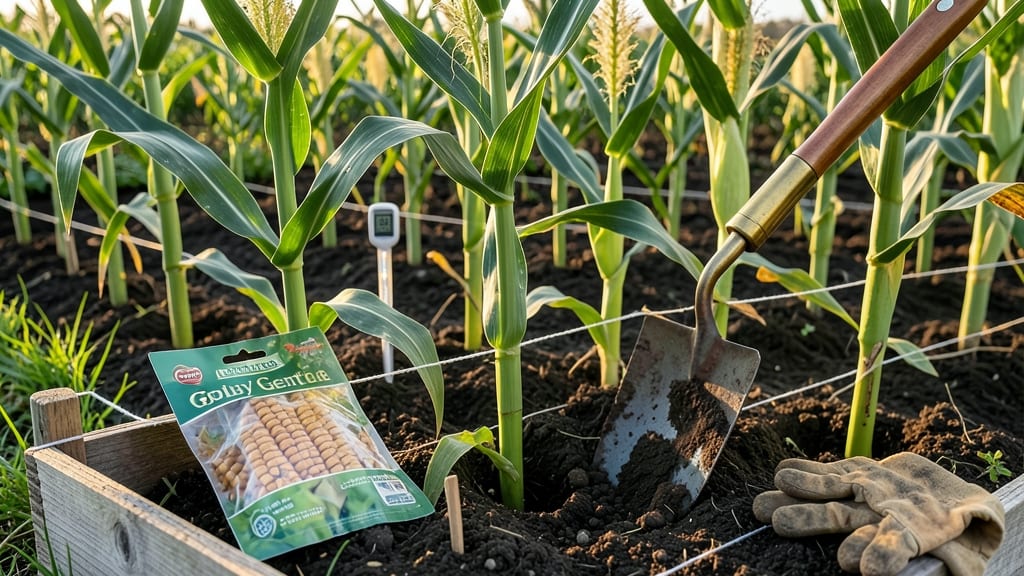
Timing your corn planting in Canada can mean the difference between a bountiful harvest of golden 🌽 ears and a wasted season. With frost dates varying wildly from coast to coast, getting the window right isn't just about the calendar—it's about understanding your local climate's quirks.
From the Prairies' early springs to Atlantic Canada's cooler summers, each region demands a different approach. I've seen firsthand how a single late frost can wipe out weeks of effort, so I'll show you exactly when to plant for your specific zone to avoid that heartbreaking outcome.
Whether you're direct sowing or starting seeds indoors, the key is soil temperature—not just air temperature. We'll cover the critical soil warmth threshold of 60°F (15°C) and how to time your planting for maximum growth before fall frosts arrive.
By the end, you'll know not just when to plant, but how to adjust for early or late varieties, extend your growing season, and spot the 5 signs your soil is truly ready. Let's make sure your corn thrives, not just survives.
Canada’s frost-free planting Zones for corn: when to start seeds indoors vs. direct sowing
Corn thrives when planted after soil temperatures hit 60°F (15°C) and the last frost has passed—critical for Canada’s diverse climate zones. From Zone 3 to Zone 9, timing varies dramatically, with Prairie regions like Alberta enjoying early starts while Atlantic Canada waits until June.
Understanding these differences ensures your corn reaches harvest-ready maturity before fall frosts strike.
Direct sowing is the gold standard for corn, but indoor starts can extend your growing season in cooler zones. The key? Transplant seedlings only after soil warms and all frost risk disappears.
Below, we break down zone-specific planting windows, including when to start seeds indoors vs. when to plant directly outside for maximum yield and frost-free growth.
🌽
| Zone | Last Frost Date | Indoor Start (Weeks Before Last Frost) | Direct Sowing Window | Soil Temp Threshold | Regional Notes |
|---|---|---|---|---|---|
| 3-4 (e.g., Northern Ontario, Quebec) | Mid-June | 6-8 weeks before last frost (March-April) | Late May - Early June | 60°F (15°C) | Use black plastic mulch to warm soil faster. Short-season varieties only. |
| 5 (e.g., Southern Ontario, Nova Scotia) | Early June | 4-6 weeks before last frost (late March) | Mid-May - Early June | 60°F (15°C) | Maritimes: Wait for soil to dry if spring is wet. Use row covers for early starts. |
| 6 (e.g., Prairie Provinces, Southern Quebec) | Late May | 3-4 weeks before last frost (late April) | Early May - Mid-May | 60°F (15°C) | Prairies: Dry winds can stress seedlings; mulch heavily. Ideal for mid-season varieties. |
| 7 (e.g., Vancouver Island, Southern BC) | Early May | 2-3 weeks before last frost (late April) | Mid-April - Early May | 55°F (13°C) | West Coast: Mild winters allow early planting. Watch for fungal diseases in damp climates. |
| 8-9 (e.g., Southern BC, Niagara Region) | Mid-April | 1-2 weeks before last frost (early April) | Late March - Early April | 50°F (10°C) | Longest growing season; ideal for late-maturing varieties. Succession plant for continuous harvest. |
In Zones 3-4, where frost lingers late, indoor starts are almost mandatory. Begin seeds in late March under grow lights, then transplant hardened-off seedlings after your last frost date. Use black plastic mulch to accelerate soil warming—this can shave 1-2 weeks off your planting timeline in colder regions.
For Zones 5-7, direct sowing is often simpler. Plant seeds 1-2 inches deep when soil reaches 60°F (15°C), typically mid-April to early May. In the Prairies, watch for dry winds that can desiccate young plants—use straw mulch to retain moisture.
Meanwhile, Atlantic Canada gardeners should wait until soil dries post-spring rains to avoid rot-prone conditions.
Gardeners in Zones 8-9 enjoy the longest windows, but don’t rush—corn needs consistent warmth. Plant late March to early April for early varieties, then succession plant every 2 weeks for a continuous harvest.
On the West Coast, fungal diseases like corn smut thrive in damp conditions, so ensure good air circulation between plants.
Pro tip: Use a soil thermometer to confirm readiness
Signs your soil and climate are ready: 5 critical checks before planting corn
Before you rush to plant your corn seeds, take a moment to check if your soil and climate are truly ready. Corn is sensitive to cold soil and late frosts, so skipping these checks can mean wasted effort.
I’ve learned the hard way—planting too early in my Zone 4 garden once led to stunted plants that never recovered.
Start by verifying that your soil temperature has reached at least 60°F (15°C). Corn roots struggle to absorb nutrients in cooler soil, and germination slows dramatically below this threshold. A simple soil thermometer (just $10 at garden centers) is your best tool for this check.
I always test in the morning when soil temps are lowest—if it’s below 60°F, wait a few more days.
Next, examine your local weather forecast for the next 10-14 days. Look for predictions of frost-free nights and stable temperatures above 50°F (10°C).
Canada’s unpredictable spring weather can bring late frosts even in May—my neighbor in Southern Ontario lost his entire corn crop in 2022 because he ignored this warning. Use the Canadian Hardiness Zone Map as a guide, but always cross-check with real-time data.
- 🌡️ Soil Temperature: At least 60°F (15°C) at 4" depth (use a thermometer)
- 💧 Moisture Level: Soil should be evenly moist but not waterlogged (stick test: dry 1" below surface)
- ☀️ Sunlight Hours: 6+ hours of direct sun daily (no shade from trees/buildings)
- 📅 Frost Risk: No frost predicted for 10+ days after planting (check Environment Canada)
- 🌿 Microclimate: Urban areas stay 2-5°F warmer than rural—adjust dates accordingly
Don’t overlook moisture levels—corn seeds need consistent dampness to germinate. Press your finger into the soil: if the top 1 inch (2.5 cm) feels dry, water thoroughly before planting. I’ve seen seeds sprout only to dry out because the soil was too loose.
A moisture meter takes the guesswork out of this step. Also, avoid planting in waterlogged soil, which can cause seed rot.
Pay attention to your microclimate. Urban gardens often experience the heat island effect, staying warmer than rural areas. This means you can plant 1-2 weeks earlier in cities like Toronto or Vancouver compared to nearby countryside.
Conversely, low-lying areas or valleys may stay colder longer. I once planted corn in my backyard (Zone 5) while my friend 5 miles away in a valley had to wait another week—same zip code, different results!
Finally, avoid these common planting mistakes that delay growth: waiting until June in most of Canada (too late for full maturity), planting in cold, wet soil, or ignoring windbreaks that protect young seedlings.
I learned to always plant near a fence or use corn stalks from last year as wind barriers. With these checks complete, you’ll be ready to plant confidently and watch your corn thrive all summer. 🌽