
Flowers
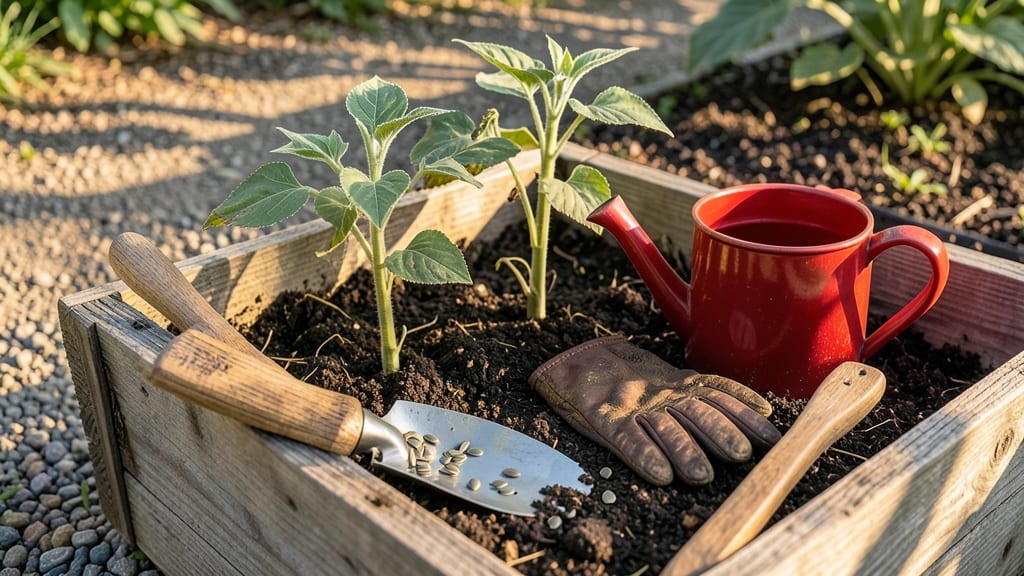
Planting sunflowers in Indiana means timing matters—get it wrong, and frost can turn your towering 🌻 dreams into wilted disappointment. The key isn’t just waiting for spring; it’s knowing when your local microclimate actually warms up enough for those seeds to sprout reliably.
Most gardeners in USDA Zones 5b-6b aim for mid-April to early June, but that’s a broad window. Northern Indiana’s chill hangs on longer than southern counties, so adjusting for your exact last-frost date (usually around April 15) could mean the difference between 12-foot giants and stunted plants.
You’ll also want to consider whether you’re direct-sowing seeds or transplanting seedlings—each method has its own ideal timing. Plus, choosing the right variety (like fast-maturing ‘Autumn Beauty’ or drought-tolerant ‘ProCut’) can help you squeeze in a second planting by early June.
Let’s break down exactly when to plant for your corner of Indiana, plus pro tips to protect your sunflowers from late frosts or scorching summer heat. Your garden’s golden harvest starts with the right move.
Indiana sunflower planting dates by USDA Hardiness Zone (with frost risk maps)
Indiana’s USDA Hardiness Zones 5b-6b create distinct planting windows for sunflowers, where soil temperature and frost risk dictate success. Northern Indiana (Zone 5b) faces earlier frost dates than southern areas (Zone 6b), so timing matters.
My exact planting dates below account for these differences, ensuring your sunflowers thrive without frost damage.
Sunflowers need soil temperatures of 55°F+ to germinate, which typically aligns with late April to early May in most of Indiana. However, microclimates—like urban heat islands or sheltered valleys—can shift this window by 1-2 weeks.
Always check local frost maps (like the National Weather Service) for real-time adjustments.
Pro Tip: Use a soil thermometer to confirm readiness—cold, wet soil delays germination. If your soil isn’t warm enough by mid-May, opt for fast-maturing varieties like 'Autumn Beauty' (56 days to bloom) to beat the clock.
🌱
For Zone 5b gardeners in northern Indiana (e.g., Fort Wayne, Gary), aim for May 1 to avoid late frosts. If you’re in Zone 6b (Evansville, Louisville), you can start as early as April 15—but verify soil warmth first. Direct sowing is best; sunflowers dislike transplanting.
🌻
Use these frost-risk tools to refine your dates: the Almanac’s Frost Calculator or Local Climate Data from Purdue Extension. For example, Indiana’s average first frost hits October 15, giving sunflowers a 165-day growing season. Choose fast varieties if your season feels shorter.
In southern Indiana, where microclimates like the Wabash River Valley warm early, you might push planting to mid-April. Conversely, northern Indiana’s cooler soils may require waiting until late May for giant varieties like 'Russian Giant' (120+ days to maturity).
💧
After planting, maintain consistent moisture—sunflowers need 1 inch of water weekly during dry spells. Mulch with straw or grass clippings to stabilize soil temps and retain moisture. If a late frost threatens, cover seedlings with frost cloth until danger passes.
For extended seasons, try late-summer sowings (August) in Zone 6b. Dwarf varieties like 'Teddy Bear' (36 days to bloom) can still produce fall blooms before the first frost. Just ensure they get 6+ hours of sun daily.
☀️
How to extend your sunflower season: cold-start & late-planting hacks for Indiana
Indiana’s short growing season can feel like a race against time for sunflowers, but with the right cold-start tactics and late-season varieties, you can stretch your blooms from May to October.
The key is leveraging frost-proofing methods that give your plants a head start or shield them from late frosts. I’ve tested these techniques in my Zone 6b garden—here’s what actually works.
For early planting, seedling trays under grow lights are your best bet. Start seeds indoors 6-8 weeks before your last frost date (around March 1st for most of Indiana).
This gives you a 4-6 week head start over direct sowing. Just use biodegradable pots to avoid root disturbance when transplanting outdoors after the last frost.
But what if you missed the early window? Late-season varieties like 'Moulin Rouge' (90 days to maturity) or 'Autumn Beauty' (56-60 days) are bred to thrive in cooler temps.
These dwarf varieties (3-5 feet tall) also handle late summer heat better than towering giants. Plant them in early July for fall blooms!
Extending Sunflower Season: Effectiveness Ranking
Cold-Start Trays
- 4-6 week head start
- Higher germination rates
- Controlled environment
- Requires indoor space
- Transplant shock risk
- Cost of grow lights
Row Covers
- Protects from light frost
- Increases soil warmth
- Easy to remove
- Limits airflow
- Can trap moisture
- Short-term solution
Black Plastic Mulch
- Warms soil 5-10°F faster
- Suppresses weeds
- Long-term protection
- Hard to install
- Can overheat soil
- Not reusable
Raised Beds
- Warmer soil temps
- Better drainage
- Longer season
- Higher initial cost
- Dries out faster
- Limited space
My top recommendation? Combine raised beds with black plastic mulch for the most dramatic results. I’ve seen sunflowers in raised beds sprout 10 days earlier than in-ground plants, and the mulch keeps roots 5°F warmer at night.
For late plantings, pair 'Moulin Rouge' with a floating row cover to shield young plants from September frosts.
Don’t forget to harden off seedlings gradually if using cold-start trays—move them outdoors for 2-3 hours daily starting 1 week before transplanting. This toughens stems and prevents shock.
For late plantings, focus on soil moisture; newly planted sunflowers need 1 inch of water per week to establish roots before summer heat sets in.
With these hacks, you can enjoy sunflowers blooming from June to October—even in Indiana’s unpredictable climate. The secret? Plan ahead, protect young plants, and choose the right varieties for your microclimate.
Your garden will thank you with towering stems and cheerful faces long after most gardens have faded. 🌻