
Plants
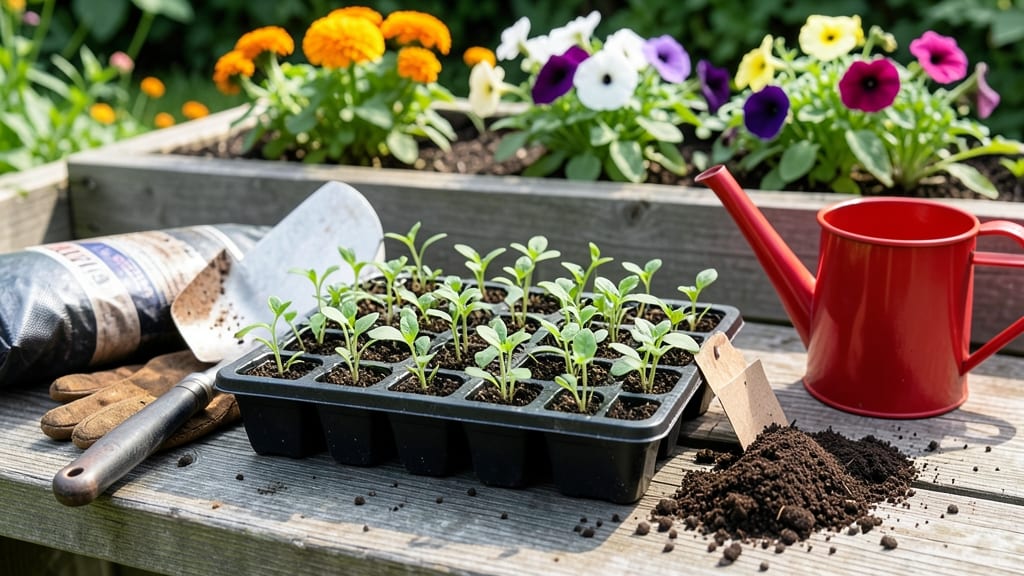
Planting annuals in Massachusetts at the wrong time means watching your hard work melt away with the first frost—or wilting under summer’s scorching heat.
The perfect window isn’t just about dates; it’s about matching your favorite 🌸 flowers to your zone’s last frost, whether you’re in Boston’s coastal chill or Worcester’s inland warmth.
Most gardeners in USDA Zone 6a wait until after the last frost—typically mid-April to early June—but some heat-loving annuals, like marigolds, can handle an early start. The key is knowing when soil warms to 50°F and when to swap cool-season pansies for sun-loving impatiens by late July.
I’ll break down the exact deadlines for your region, including how to stretch your growing season with row covers or cold frames. You’ll learn which annuals thrive in Massachusetts’ unpredictable springs and how to time your plantings for continuous blooms from June through October.
Skip the guesswork and get a zone-specific calendar that ensures your garden stays vibrant all summer long—no frost surprises included.
Massachusetts planting zones: when to plant annuals by last frost dates
Massachusetts spans USDA zones 5-7, creating microclimates where last frost dates can vary by 2-3 weeks between regions. In Zone 6a (Boston, Worcester), the average last frost hits April 15, while Zone 5b (Springfield) often waits until May 1.
Coastal areas like Cape Cod (Zone 7a) may see frost-free conditions as early as April 1. Understanding these differences ensures your annual flowers and vegetables thrive without frost damage.
For heat-tolerant annuals like marigolds, zinnias, and sunflowers, you can start seeds indoors 6-8 weeks before your last frost date.
These varieties handle warmer soil temperatures and can even be direct-sown 2-3 weeks before the official frost-free date in protected microclimates. Cool-season annuals such as pansies, snapdragons, and lettuce must wait until after the last frost or use row covers for early protection.
Here’s a quick reference for Massachusetts’ key regions and their average last frost dates, plus the best annuals for early planting:
| Region | USDA Zone | Avg. Last Frost | Safe Planting Window | Heat-Tolerant Annuals |
|---|---|---|---|---|
| Boston | 6a | April 15 | May 1 - June 1 | Marigolds, Zinnias, Sunflowers |
| Worcester | 6b | April 22 | May 1 - June 1 | Cosmos, Petunias, Basil |
| Springfield | 5b | May 1 | May 15 - June 15 | Marigolds, Nasturtiums, Sweet Alyssum |
| Cape Cod | 7a | April 1 | April 15 - May 15 | Impatiens, Geraniums, Coleus |
In Zone 6a (Boston), where frost lingers later, prioritize hardy annuals like pansies and sweet peas for early spring color. These can handle light frosts and even 32°F temperatures.
For Zone 5b (Springfield), where frost risk extends into early May, opt for slow-to-germinate seeds or use heating mats to jumpstart growth. Cape Cod’s Zone 7a allows for earlier planting, but even here, a late frost in April can still damage tender seedlings.
For summer annuals, like impatiens, begonias, and vinca, wait until after Memorial Day (around May 30) to plant outdoors. These heat-loving plants thrive in consistent warmth and won’t tolerate cool evening temperatures.
If you’re eager to start earlier, begin seeds indoors in late March and transplant after the last frost date.
Pro tip: Use a frost date tracker like the National Weather Service’s or local Cooperative Extension Service alerts for real-time updates. These tools adjust for year-to-year variations in Massachusetts’ unpredictable spring weather.
For example, 2023 saw frost as late as May 10 in Worcester, while 2022 had an early frost on April 20 in Boston. Planning flexibility is key!
If you’re in a warmer microclimate, such as a south-facing slope or urban heat island, you can push planting dates 1-2 weeks earlier. Conversely, valleys and shaded areas may experience frost 10-14 days later than average.
Always monitor soil temperatures—most annuals need soil at 50°F or warmer to thrive.
For vegetable annuals like tomatoes, peppers, and basil, wait until after the last frost and ensure nighttime temperatures stay above 50°F. These plants are sensitive to cold and may st
Zone-specific annual planting calendar: from cool-season to heat-loving flowers
Massachusetts' variable climate means your annual planting schedule depends on whether you're in cooler inland zones (like Worcester) or warmer coastal areas (like Cape Cod).
For USDA zones 5-7, timing is critical—plant cool-season flowers too late, and summer heat will stress them; delay heat-loving annuals too long, and you’ll miss peak blooms.
I’ve broken down the month-by-month planting calendar for Massachusetts, including ideal transplant dates for popular annuals like pansies, marigolds, and impatiens. Plus, I’ll share succession planting tips to keep your garden blooming all season long—no gaps in color!
- March-April: Start cool-season annuals indoors (e.g., pansies, snapdragons). Harden off seedlings by mid-May for outdoor planting.
- Late April-Early May: Plant frost-tolerant annuals (e.g., calendulas, sweet alyssum) after last frost (April 15–May 1). Coastal areas can plant 1–2 weeks earlier.
- Mid-May: Transplant heat-sensitive annuals (e.g., petunias, geraniums) after soil warms to 55°F+. Use row covers for early starts.
- June: Sow summer-blooming seeds (e.g., marigolds, zinnias, sunflowers) directly outdoors. Succession plant every 2–3 weeks for continuous blooms.
- July: Plant heat-loving annuals (e.g., impatiens, coleus, portulaca) for late-summer color. Avoid transplanting in peak heat (90°F+).
- August: Begin succession planting for fall blooms (e.g., cosmos, asters). Use shade cloth to protect seedlings from intense sun.
- September: Plant cool-season annuals (e.g., pansies, stock) for fall/winter interest. Choose varieties labeled "fall-blooming" for frost resistance.
For coastal Massachusetts (e.g., Cape Cod, Nantucket), adjust your schedule 1–2 weeks earlier—warmer microclimates allow earlier planting of heat-sensitive annuals. Inland areas (like Worcester or Springfield) may need to wait until mid-May to avoid frost damage.
Pro tip: Use succession planting to overlap blooms. For example, sow marigolds every 3 weeks from June to August to ensure continuous color. Pair cool-season pansies with heat-loving impatiens in containers for year-round interest.
Always check your local last frost date—tools like the National Weather Service or Old Farmer’s Almanac provide real-time updates. With this calendar, your Massachusetts garden will stay vibrant from spring to frost! 🌸