
Plants
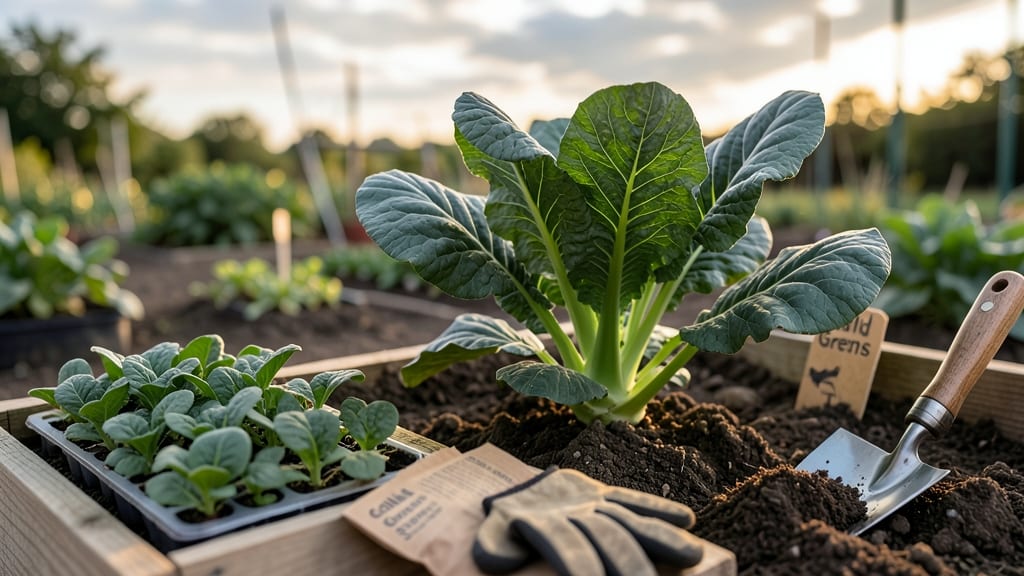
Planting collard seeds at the wrong time in North Carolina can turn your garden into a bitter disappointment—soggy leaves or stunted growth ruin what should be a sweet, hearty harvest. 🥬 The key is timing: sow in late winter or early fall, when soil temps hover around 50-60°F, and you’ll get tender, flavorful greens all season.
North Carolina’s varied climate—from the cool mountains to the warmer coast—means planting dates shift dramatically. In Zone 6b, aim for March 15-April 30 (spring) or August 1-September 15 (fall), while Zone 8a gardeners can start as early as February or push into October.
Miss these windows, and you’ll end up with tough, woody leaves instead of the sweet collards you crave.
Here’s the game-changer: 4-6 weeks before your first frost is the magic window for fall planting. That means if your area freezes by October 15, get seeds in by September 1. For spring, wait until the soil warms—no more guessing games with a soil thermometer.
I’ll show you how to adjust for microclimates, whether you’re tucked in a mountain valley or baking in the Piedmont heat.
Ready to grow collards that taste like a Southern grandmother’s recipe? Let’s dive into the exact dates, soil tricks, and planting hacks that’ll make your harvest bigger, sweeter, and foolproof—no matter where you garden in NC.
Best collard seed planting dates by NC heat Zone (zones 7-8)
North Carolina’s mild winters and long growing seasons make it ideal for collards, but timing is everything. In USDA Zones 7-8, you can grow two successive crops—spring and fall—if you plant at the right time.
The key is avoiding early frosts that turn leaves bitter and late frosts that stunt growth. Let’s break down the perfect planting windows for each zone.
Collards love cool weather but hate extreme heat or freezing temps. In Zone 7, aim for March-April and August-September plantings, while Zone 8 gardeners can start slightly earlier—February-March and July-August. The goal is to harvest before summer’s brutal heat or after fall’s first frost.
Here’s your NC-specific planting schedule with frost dates, soil temps, and zone-specific adjustments to ensure sweet, tender collards all season long.
For Zone 7a, wait until March 15 to plant collard seeds after the last frost. Soil should be at least 50°F—use a soil thermometer to check.
If you’re in Zone 7b, you can start as early as March 1, but cover seedlings with frost cloth if nights dip below 32°F. Zone 8a gardeners get a head start: plant February 15-March 30 for spring harvests.
Fall plantings are just as critical. In Zone 7a, sow seeds 8-10 weeks before frost—that’s August 1-September 15. For Zone 7b, extend the window to July 15-September 1, and Zone 8a can push it to August 15.
The rule of thumb? Plant so collards mature 4-6 weeks before frost—this ensures sweet, tender leaves before cold sets in.
Pro tip: Check the NC State Climate Office for your local frost dates. Microclimates—like valleys or urban areas—can shift frost dates by 1-2 weeks. If your area tends to have early frosts, start fall seeds 2 weeks earlier than the table suggests.
For late frosts, delay spring plantings by 10-14 days.
Soil temperature is non-negotiable. Collard seeds won’t germinate below 50°F, and growth slows dramatically below 60°F. Use a seedling heat mat if planting early in cool zones like Zone 7a. In warmer Zone 8a, focus on shade cloth during summer to prevent bolting (premature flowering).
One more tip: Succession plant every 2 weeks in spring and fall to ensure a continuous harvest. This works especially well in Zone 8a, where you can stretch fall plantings into early October with row covers. Just remember—
Microclimate adjustments: how to plant collards earlier or later in NC
North Carolina’s diverse landscapes—from mountain valleys to coastal plains—create microclimates that can shift your collard planting window by weeks. A sheltered valley might stay frost-free until November 10, while a Piedmont urban garden could hit 90°F soil by mid-March.
The key is adapting your timing to these local conditions without guessing. I’ve grown collards in both Zone 7b mountains and Zone 8a coastal flats, and these adjustments make all the difference.
For earlier spring plantings, focus on southern exposures and protected beds. In my mountain garden, I’ve planted collards as early as February 15 using black plastic mulch to warm the soil. The mulch raises soil temps by 5-8°F, helping seeds germinate faster.
Meanwhile, coastal gardeners can push fall plantings into late October by choosing low-lying areas that retain heat longer. These microclimate tweaks let you extend harvests by 3-4 weeks on either end.
⚠️ callout warning
Don’t assume your neighbor’s planting dates work for you! A 10°F temperature difference between microclimates can mean the difference between germination success and seed rot. Always check soil temps with a probe—50°F+ is ideal for collard seeds. In urban heat islands, shade cloth (30%) prevents bolting, while valley gardens need row covers for late frosts.
🔹 Test first: Bury a thermometer in your bed at soil level for 3 days to confirm temps.
🔹 Adjust dates: Add 2 weeks for cool valleys, subtract 2 weeks for warm coasts.
One of my favorite tricks for fall collards is using cold frames in Zone 7b. By mid-October, I’ll plant seeds under a low tunnel with row cover, which traps 5-10°F of heat at night.
This lets me harvest tender greens through December, even when official frost dates arrive. For urban gardeners, consider container growing—large pots on patios can be moved to sunniest spots during winter, while raised beds with straw mulch insulate roots from temperature swings.
Succession planting is another game-changer. Instead of one big fall planting, I’ll sow half my seeds in August and the other half in September. This staggered approach ensures a continuous harvest as some plants mature while others catch up.
In my Zone 8a coastal garden, I’ve even planted every 2 weeks from August to October, giving me collards until January. The secret? Thin seedlings aggressively to avoid overcrowding and fertilize lightly after each harvest to keep plants productive.
Don’t overlook coastal breezes either—salt spray can damage young seedlings. If you’re near the beach, use drip irrigation to keep leaves dry and mulch heavily to lock in moisture. Inland gardeners should watch for late-summer heat stress, which turns collards bitter.
Here, I’ll shade young plants with 50% shade cloth during 95°F+ days until they’re established. These microclimate-specific hacks have let me harvest collards year-round in NC, even in the most challenging spots.
Ready to put these adjustments to work? Start by mapping your garden’s sun/shade patterns and testing soil temps for 3 days. Then, use the 4-6 week rule before frost as your baseline, but tweak it based on your microclimate.
With these strategies, you’ll turn NC’s climate quirks into collard-growing advantages—no more wasted seeds or bitter harvests. 🌱