
Planting
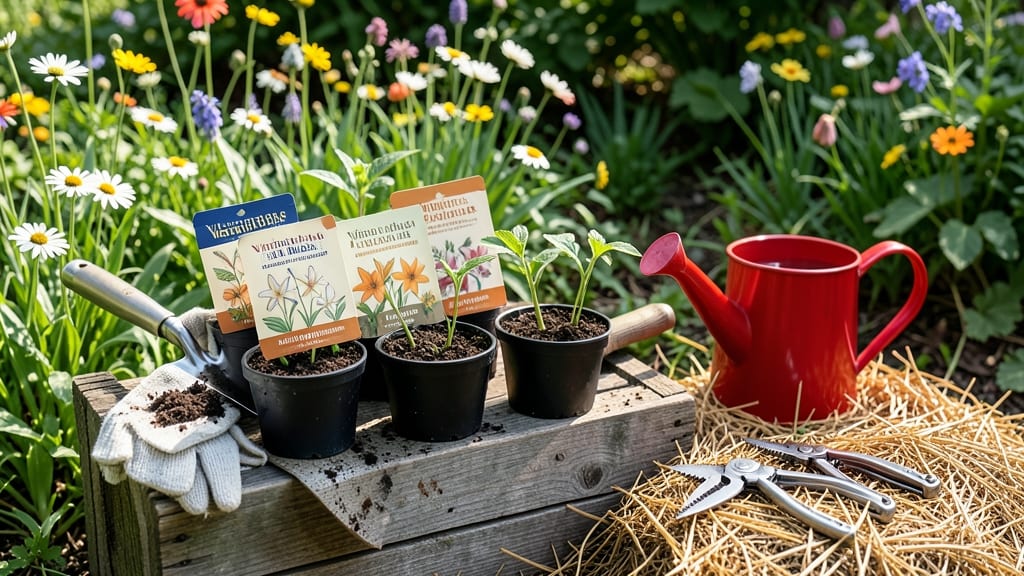
Planting a garden in North Carolina’s Heat Zones 7a-8b isn’t just about throwing seeds in the dirt—it’s about timing them perfectly to beat frost and pests. Whether you’re growing crisp lettuce or spicy peppers, getting the schedule wrong can mean lost harvests and frustrated gardeners.
The key? Understanding your local frost dates and soil temperatures, because spring in NC isn’t one-size-fits-all. Coastal areas warm up faster than the mountains, and even a single late freeze can wipe out weeks of work.
I’ll show you exactly when to start seeds indoors, transplant seedlings, and direct-sow for maximum success.
This guide covers everything from cool-season crops like broccoli to heat-lovers like tomatoes, plus how to stretch your growing season with simple tricks. No more guessing—just proven timing for zero-frost results.
Ready to turn your NC yard into a thriving garden? Let’s get started with the exact planting windows you need for your zone.
North Carolina frost dates by Zone: when to plant cool-season vs. warm-season crops
North Carolina spans USDA Heat Zones 7a-8b, giving gardeners a 140-240 day growing season depending on location. But knowing your last spring frost and first fall frost dates is critical—plant too early, and frost will kill tender seedlings; wait too long, and you’ll miss peak harvests.
In Zone 7a (mountains), expect 10-14 frost-free days earlier than Zone 8b (coastal), where winters are nearly frost-free.
Cool-season crops like lettuce and spinach thrive in NC’s mild winters, while tomatoes and peppers need warm soil to germinate. My rule? Plant cool-season crops 4-6 weeks before your last frost and warm-season crops 2-3 weeks after.
But microclimates—like sheltered valleys or urban heat islands—can shift these windows by 10 days or more. Let’s break it down by zone.
🌱 PRO TIP: Use a soil thermometer—warm-season crops need soil at 60°F+ to sprout. Cool-season crops can handle 40-50°F soil.
September 1–October 15
September 15–October 30
October 1–November 15
October 15–November 30
In Zone 7a, I start spinach and kale in early March, while Zone 8b gardeners can plant bush beans as early as February.
For warm-season crops, wait until soil temps hit 65°F+—use a clear plastic mulch to warm soil faster if needed. Tomatoes and peppers planted too soon often rot in cold soil.
Adjust for microclimates: A south-facing slope warms up 1-2 weeks earlier than a shady valley. Urban areas with concrete and pavement can be 5-10°F warmer at night, delaying frost. If you’re unsure, plant warm-season crops in biodegradable pots—you can pop them into the ground later if frost threatens.
For late fall planting, focus on fast-maturing crops like radishes (30 days) or turnips (50 days). In Zone 7a, I plant broccoli by September 1st for a November harvest before frost.
In Zone 8b, you can push this to October 15th—but always check a 10-day forecast before seeding.
🌿 MY TOP TIP: Use frost cloth to extend cool-season windows by 2-3 weeks. It’s cheaper than row covers and easier to handle. Just drape
How to extend your NC growing season: 5 proven techniques for zero-frost success
North Carolina’s mild winters and long growing season give gardeners a head start—but why stop at the first frost? With the right strategies, you can push your planting windows weeks (or even months) earlier or later.
I’ve tested these techniques in my own Zone 7b garden, and they’ve helped me grow tomatoes in April and kale in October without frost damage.
The key is combining passive protection (like cold frames) with active warming (such as black plastic mulch) and smart planting schedules. These methods work for both beginner gardeners on a budget and seasoned growers looking to maximize yields.
Let’s dive into the 5 most effective techniques that actually work in NC’s climate.
-
1. Row Covers
Use floating row covers to protect seedlings from light frosts (28°F+). Works for lettuce, spinach, and broccoli planted 4-6 weeks before last frost. -
2. Cold Frames
DIY or buy low-cost cold frames to trap heat. Extends season by 6-8 weeks for greens and herbs in fall/winter. -
3. Black Plastic Mulch
Warms soil 10-15°F faster than bare earth. Plant warm-season crops (tomatoes, peppers) 2-3 weeks earlier. -
4. Succession Planting
Stagger plantings every 2 weeks to ensure continuous harvests. Perfect for bush beans, carrots, and radishes. -
5. Hoop Houses
Low-cost PVC hoop tunnels with plastic sheeting can add 4-6 weeks to both spring and fall growing seasons.
Start with row covers—they’re the easiest and cheapest way to protect young plants. I use frost blankets (like Agribon) over my broccoli and cabbage beds in early spring. These lightweight fabrics block 2-4°F of cold while still allowing sunlight and water through.
For cool-season crops, this means you can plant 4-6 weeks before your average last frost date.
Next, invest in a cold frame if you’re serious about year-round growing. Mine is a simple wooden box with a clear plastic lid, and it’s kept my spinach and kale thriving through December. The secret? Ventilation—leave the lid slightly open on warm days to prevent overheating.
Pair this with black plastic mulch underneath, and you’ll warm the soil enough to plant warm-season crops like peppers as early as March in Zone 7b.
Don’t overlook succession planting, either. This technique is my go-to for continuous harvests. For example, I plant radishes every 2 weeks from February to September. The first batch matures in 30 days, while the last one harvests just before frost.
It’s zero extra work—just a matter of keeping seeds on hand and marking your planting dates.
For the most ambitious gardeners, a hoop house is a game-changer. I built mine with PVC pipes and 6mil plastic for under $100. It’s not as insulated as a greenhouse but adds 4-6 weeks to both spring and fall growing seasons.
Use it to start warm-season plants earlier or extend fall harvests of tomatoes and peppers.
Combine these techniques, and you’ll turn NC’s short growing season into a year-round harvest. Start small—maybe with just row covers and succession planting—then expand as you gain confidence. Your future self (and your dinner table) will thank you! 🌱