
Planting
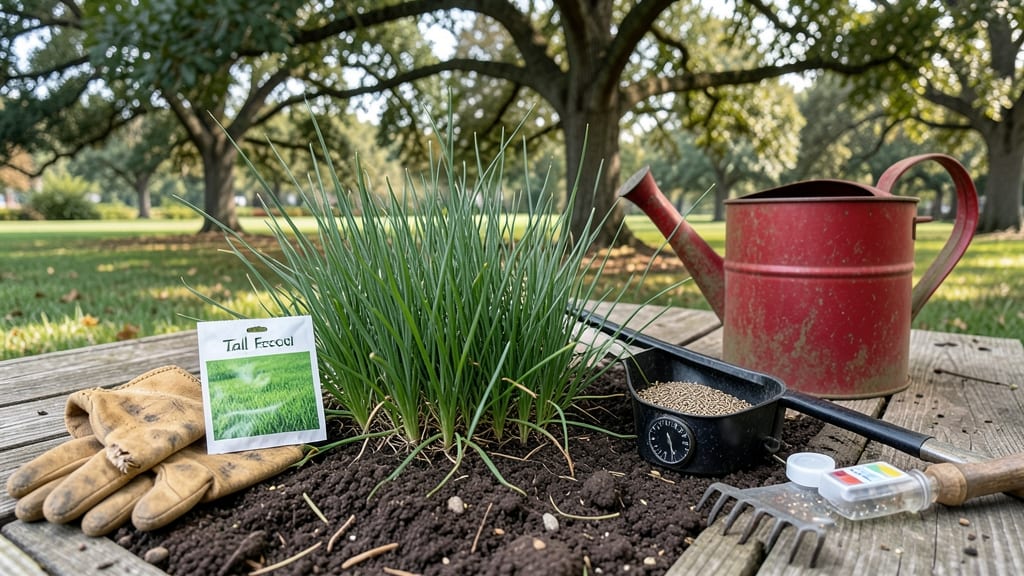
Planting grass seed in North Carolina at the wrong time can mean slow growth, weak roots, or even wasted seeds—but timing it right guarantees a lush, resilient lawn that thrives year-round.
With North Carolina’s 6a-8b climate zones, the answer isn’t one-size-fits-all. Whether you’re in the Piedmont’s 7a-7b region or the Coastal Plain’s milder 8a-8b, the best time to plant depends on your grass type and local frost dates.
Cool-season grasses like Tall Fescue love early spring or fall, while warm-season varieties like Bermuda need summer’s heat to take hold.
I’ve tested the timing myself, and the difference between a fast-growing lawn and a patchy one often comes down to soil temperature and moisture. Let’s break down the exact months to plant for your region—and how to prep your soil for success.
You’ll discover why March-April and September-October are the golden windows, how to avoid common mistakes, and which grass types perform best in your neck of the woods. Ready to grow a lawn that’s the envy of the neighborhood?
Best grass seed planting months in North Carolina: spring vs. fall comparison
Deciding between spring and fall planting for your North Carolina lawn can feel overwhelming. The right timing ensures your grass seed germinates quickly, establishes deep roots, and survives your region's unique climate challenges.
In NC, both seasons offer ideal windows—but each has distinct advantages depending on your location within the state.
North Carolina spans three major climate zones: the Coastal Plain, Piedmont, and Mountains. Each zone has different frost dates and soil warming patterns, which directly impact when you should plant. For example, coastal areas warm up earlier in spring, while mountain regions stay cooler longer.
Understanding these variations helps you avoid common mistakes like planting too early when soil is still cold or too late when summer heat stresses young seedlings.
Let's compare the two best planting seasons—spring (March-April) and fall (September-October)
Soil temperature is the single most critical factor for successful grass seed germination. Most grass varieties thrive when soil temps consistently stay between 60-70°F. In spring, this typically occurs by mid-April in the Coastal Plain but may not happen until early May in the Mountains. Fall planting, however, often aligns perfectly with these ideal conditions in September-October across all zones. Here's a detailed comparison of spring vs. fall planting in North Carolina, including regional variations: Fall planting generally offers the most consistent results across North Carolina because the soil stays warm while daytime temperatures cool down. This creates ideal conditions for grass seed to germinate without the stress of summer heat or the rush of spring's short window. However, spring planting can work exceptionally well if you're establishing a new lawn with warm-season grasses like Bermuda or Zoysia, which thrive when planted in late spring. For cool-season grasses like Tall Fescue or Kentucky Bluegrass, fall planting is almost always the better choice. These grasses establish deeper roots before winter dormancy, resulting in a stronger lawn come spring. If you live in the Coastal Plain, you might even get a head start in early spring, but fall remains the safest bet for most of the state. Regional microclimates play a huge role in success. In the Mountains, where frost can arrive as early as October, aim to plant by mid-September to give your grass time to establish before winter. Meanwhile, the Piedmont and Coastal Plain offer more flexibility, but always check your local frost dates to avoid planting too close to winter. One common mistake I see is planting grass seed when the soil is still too cold. Use a soil thermometer to check—if temperatures drop below 55°F, germination will be slow or nonexistent. In spring, wait until daytime temps consistently stay above 60°F before planting. In fall, aim to finish by 6-8 weeks before your first frost date to allow proper root establishment. Remember that proper watering is just as critical as timing. After planting, keep the soil consistently moist (about 1/2 inch of water per week) for the first 3-4 weeks to encourage germination. Early morning watering helps prevent fungal diseases that thrive in humid NC summers. With the right timing and care, you'll be rewarded with a thick, green
Factor
Spring Planting (March-April)
Fall Planting (September-October)
Ideal Soil Temp
60-70°F (varies by zone)
60-70°F (consistent across NC)
Coastal Plain Timing
Mid-March to early April
Late August to mid-September
Piedmont Timing
Late March to April
Early September to October
Mountains Timing
Late April to May
Mid-September to early October
Key Advantage
Longer growing season for establishment
Cooler temps reduce stress; less competition from weeds
Main Challenge
Summer heat can stress seedlings
Early frost risk in mountains
Best For
New lawns, warm-season grasses
Overseeding, cool-season grasses
How to prepare North Carolina soil for fast grass seed germination
North Carolina’s humid subtropical climate means your soil needs special attention before planting grass seed. The difference between patchy growth and a thick, green lawn often comes down to proper prep—especially in regions like the Piedmont or Coastal Plain, where soil composition varies dramatically.
I’ve learned that loose, fertile soil with the right moisture and pH is non-negotiable for fast germination.
Start by testing your soil’s pH level. North Carolina grasses thrive best in soil with a pH between 6.0 and 7.0. If your soil is too acidic or alkaline, amend it with lime (to raise pH) or sulfur (to lower pH) at least 4-6 weeks before planting.
This gives the soil time to adjust and ensures your grass seed has the perfect environment to sprout.
Weed control is another critical step. Weeds compete for nutrients and space, stunting your grass’s growth. Use a pre-emergent herbicide 2-3 weeks before planting to prevent weed seeds from germinating. For organic options, apply a corn gluten meal or vinegar-based spray to kill existing weeds without harming your future lawn.
🌱 Soil Prep Checklist for NC Grass Seed
- ☑️ Test soil pH (aim for 6.0-7.0)
- ☑️ Till soil 3-4 inches deep for aeration
- ☑️ Add compost or fertilizer (organic or synthetic)
- ☑️ Rake to create a fine seedbed (smooth and level)
- ☑️ Water lightly before planting (keep soil moist)
Once weeds are under control, it’s time to till the soil. Use a rototiller to loosen the top 3-4 inches of soil, breaking up compacted layers. This helps grass roots penetrate deeply and access nutrients.
If your soil is particularly clay-heavy (common in the Piedmont), mix in sand or compost to improve drainage and aeration.
Next, choose your fertilizer strategy. For organic options, use composted manure or bone meal to provide slow-release nutrients. If you prefer synthetic fertilizers, opt for a balanced 10-10-10 or high-nitrogen 16-4-8 blend.
Apply fertilizer evenly over the soil and lightly rake it in. This ensures nutrients are available as soon as your grass seeds germinate.
Finally, manage moisture like a pro. North Carolina’s humid summers can lead to uneven watering if you’re not careful. Water the soil lightly 24 hours before planting to help seeds make contact with the earth.
After planting, keep the soil consistently moist (not soggy) by watering lightly twice daily for the first week. Once sprouts appear, gradually reduce to deep watering 1-2 times per week.
With these steps, your North Carolina lawn will have the perfect foundation for fast, even germination—no matter whether you’re planting in spring or fall. The key is patience and prep; skip these steps, and you’ll end up with a lawn that’s slow to establish or prone to weeds.
Trust me, the effort pays off in a thick, green carpet that’s the envy of your neighborhood. 🌱