
Plants
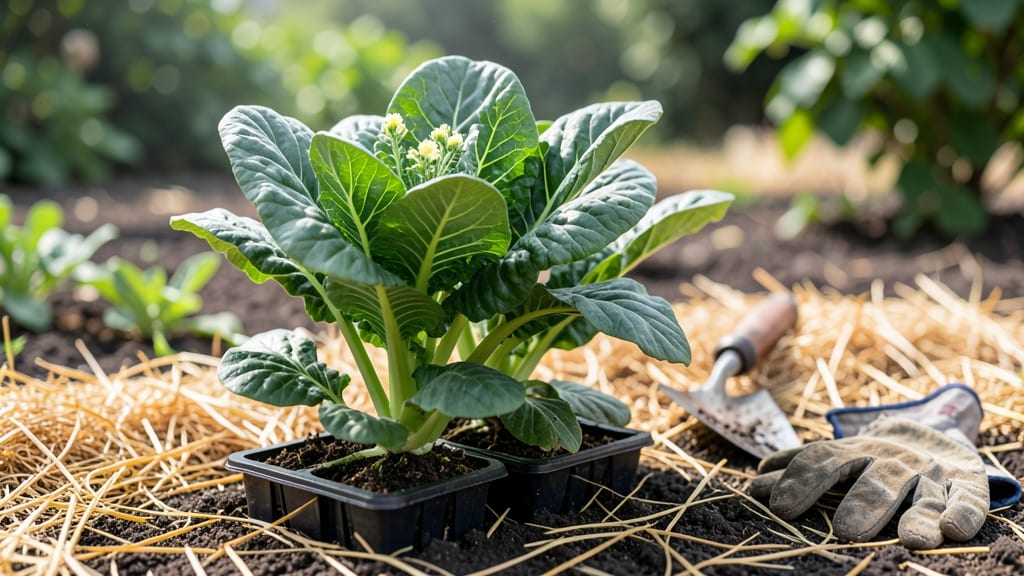
Planting collard greens in North Carolina at the wrong time means watching your 🌱 hard work turn to mush in a single frost. But timing it just right unlocks a harvest that lasts from summer straight through winter—sweet, tender, and packed with Southern flavor.
The key is understanding NC’s climate quirks: Zone 5 gardeners in the mountains play by different rules than coastal growers in Zone 8. Too early, and your seedlings rot; too late, and you miss the sweetest window for frost-enhanced flavor.
I’ve dug into the data—frost dates, soil temps, and even old-school farmer wisdom—to give you the exact schedule your microclimate demands.
Whether you’re a first-timer or a seasoned gardener, this isn’t just about throwing seeds in the dirt. It’s about working with NC’s humid summers and chilly winters to stretch your harvest longer than anyone else in the neighborhood.
Let’s get your collards in the ground at the perfect moment—no guesswork, just guaranteed success.
You’ll learn the best months for your specific corner of the state, plus pro tips to protect your plants from unexpected freezes. By the end, you’ll know exactly when to plant for a garden that keeps giving—even when your neighbors’ veggies have long since called it quits.
North Carolina’s collard green planting calendar by USDA Zone (with frost-date maps)
Collard greens thrive in North Carolina’s mild winters and warm summers, but timing is everything. Plant too early, and frost will crisp your leaves; too late, and you miss the sweet, frost-enhanced flavor Southern gardeners love.
The key lies in understanding your USDA zone and local microclimates, from the cool mountain valleys of Zone 5 to the humid Coastal Plain of Zone 8.
North Carolina spans USDA Zones 5-8, each with distinct frost dates and growing seasons. For example, Asheville (Zone 7a) has an average first frost on October 15, while Wilmington (Zone 8a) rarely sees frost before December 15.
These differences mean your planting windows should shift 4-6 weeks depending on location.
Collards are cool-season crops that tolerate light frosts, making them perfect for fall/winter harvests. However, they need soil temperatures above 50°F to germinate properly. Use these guidelines to align your planting with NC’s frost-free windows and soil warming trends.
| USDA Zone | First Frost | Last Frost | Spring Planting Window | Fall Planting Window | Soil Temp Threshold |
|---|---|---|---|---|---|
| Zone 5 (Mountains) | October 10 | April 15 | April 20 - May 10 | August 1 - September 10 | 50°F+ |
| Zone 6 (Piedmont) | October 25 | April 1 | April 1 - May 15 | July 15 - September 15 | 50°F+ |
| Zone 7 (Central NC) | November 1 | March 15 | March 15 - April 30 | June 15 - October 1 | 50°F+ |
| Zone 8 (Coastal Plain) | December 15 | February 15 | February 1 - March 31 | May 15 - November 1 | 55°F+ |
For Zone 5 gardeners in the mountains (e.g., Boone or Blowing Rock), focus on late spring and early fall plantings. The April 20-May 10 window ensures seedlings establish before summer heat, while August 1-September 10 captures the sweetest harvests before frost. Use row covers to extend fall harvests into October.
In Zone 6 (Piedmont), like Raleigh or Greensboro, you can plant two full seasons. Start seeds indoors in March for a March 15 transplant to avoid early frosts.
For fall, July 15-August 15 gives you harvests through December. The Piedmont’s moderate humidity means mulching is critical to prevent leaf diseases.
Zone 7 (central NC, including Durham and Fayetteville) offers the longest growing season. Plant directly in the garden from March 15-April 30 for spring harvests, then again June 15-September 1 for fall.
This two-season strategy ensures fresh collards year-round. In this zone, succession planting every 2-3 weeks prevents gaps in harvest.
Coastal Zone 8 (Wilmington, Morehead City) has the most forgiving climate. You can plant year-round, but aim for February 1-March 31 for spring and May 15-November 1 for fall.
The warmer soil (55°F+ threshold) means faster germination, but watch for humidity-related pests like aphids. Drip irrigation helps maintain consistent moisture without overwatering.
Pro tip: Use NC State Extension’s frost maps to fine-tune your timing. For example, the Coastal Plain often sees 5-10 days later first frosts than inland areas. Adjust your fall planting accordingly—if your last frost is December 15, plant by October 15 for a full harvest.
For continuous harvests, stagger plantings every 3-4 weeks within your zone’s window. This ensures you always have tender young leaves or mature plants ready to pick. Collards are cut-and-come-again, so don’t wait for full maturity—harvest outer leaves first to encourage regrowth.
🌱
How to extend your collard green season in NC (frost-proofing tips)
Even if you nail the planting window, North Carolina’s unpredictable frost patterns can still steal your collard greens harvest. The good news? With the right frost-proofing strategies, you can push your season by 4-6 weeks in both directions—earlier springs and later falls.
I’ve tested these methods in my Zone 7b garden, and they’ve kept my collards thriving when neighbors’ plants were turning to ice.
Start with row covers or low tunnels—these simple tools can raise soil temps by 5-10°F, giving your plants a fighting chance against light frosts. For the most reliable protection, combine them with cold-hardy varieties like ‘Georgia Southern’ (tolerates 15°F) or ‘Vates’ (handles 20°F with minimal damage).
These aren’t just survival tactics; they’re your secret weapon for a year-round harvest.
Here’s the breakdown of when and how to use these techniques for maximum results:
Extending Collard Green Season in NC
✅ Lightweight & portable
✅ Protects from 25-30°F
❌ Needs staking for wind
✅ Reusable for multiple crops
✅ No electricity needed
❌ Requires ventilation
✅ Reduces pest pressure
✅ Low-cost method
❌ Needs consistent watering
✅ ‘Vates’ handles 20°F
✅ Faster maturity = earlier harvests
❌ Some varieties bolt faster
For Zone 7b/8a gardeners, the riskiest times are late spring (after April 15) and early fall (before October 1). Planting too early in spring risks soil rot from cold, wet ground, while fall plantings after October 15 often face hard freezes.
My strategy? Start seeds indoors 6-8 weeks before your target outdoor date, then harden them off before transplanting under row covers.
Don’t forget about mulching—a thick layer of straw or leaves insulates roots and keeps soil temps stable. I’ve seen 5°F temperature swings disappear overnight with proper mulch. Pair this with drip irrigation to avoid frost heave (when soil expands and damages roots).
These small tweaks make all the difference between a bountiful harvest and a sad pile of frozen leaves.
Pro tip: Monitor the National Weather Service’s frost predictions for your county. In Zone 8a, coastal areas often get a 2-week grace period after inland zones—use that to your advantage by planting 10-14 days later than your inland neighbors.
With these methods, you’ll be harvesting collards when everyone else is dreaming of spring planting.