
Plants
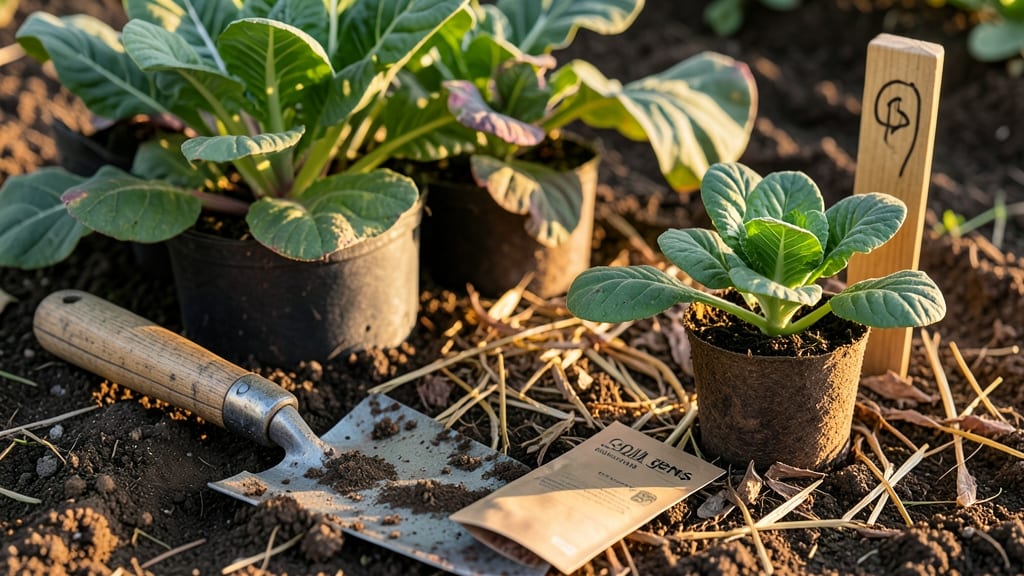
Planting collard greens in Georgia at the wrong time means missing out on those sweet, tender leaves that taste like fall in every bite.
The key to a bountiful harvest lies in understanding your Heat Zone 8a climate—where late summer and early spring offer the perfect window for planting these cold-hardy greens.
Most gardeners in Georgia know collard greens 🥬 thrive in cooler weather, but timing is everything. Plant too early, and the summer heat will stress your seedlings. Too late, and you’ll lose your harvest to frost before winter sets in.
The sweet spot? Late summer (August-September) for fall harvests or early spring (March-April) for summer growth.
What makes Georgia’s climate unique is how quickly temperatures shift. In USDA Zone 7a-9a, you’ve got just a few weeks between the last summer heatwave and the first frost—usually mid-November.
That’s why I’ll show you exactly how to work with your local frost dates, soil prep, and even container planting tricks to stretch your harvest all winter long.
Whether you’re a first-time gardener or a seasoned pro, getting this right means fewer pests, happier plants, and a pantry full of homegrown goodness. Let’s break down the exact steps to make your collard greens grow like a dream—no guesswork needed.
Optimal planting windows for collard greens in Georgia’s heat zone 8a
Collard greens thrive in Georgia’s mild winters and cool springs, but timing your planting window is critical for a successful harvest. In Heat Zone 8a, where average winter lows dip to 25-30°F, collards need 4-6 weeks of warm soil (55-65°F) to establish strong roots before frost arrives.
Plant too early, and your greens bolt in summer heat; too late, and they won’t mature before cold snaps. The key lies in balancing soil temperatures, frost dates, and regional microclimates—especially when comparing North Georgia’s cooler valleys to South Georgia’s warmer coastal plains.
For most of Georgia, the ideal planting window for fall-winter collards opens in late August to early September. This timing ensures seedlings emerge when daytime highs are still warm (80-85°F) but nights begin cooling.
By mid-October, plants should be 4-6 inches tall with 5-7 true leaves, ready to withstand Georgia’s first frost (typically mid-November in North GA and early November in South GA). Early September plantings also benefit from longer daylight hours, which boosts leaf production before winter slows growth.
Here’s the summary table breaking down Georgia’s optimal planting windows, soil temperature thresholds, and harvest timelines for both direct sowing and transplanting methods:
| Planting Method | Optimal Planting Window | Soil Temp Threshold | Days to Harvest | Notes for GA 8a |
|---|---|---|---|---|
| Direct Sowing | Late August - Early September | 55-65°F (ideal for germination) | 60-90 days | Best for North GA; use row covers if frost threatens early. |
| Transplanting (Seedlings) | Mid-August - Late September | 60-70°F (established roots needed) | 45-60 days | Preferred for South GA; hardier varieties like 'Vates' perform best. |
| Early Spring Planting | Mid-March - Early April | 50-60°F (avoid heat stress) | 60-75 days | Risky in South GA due to early heat; mulch heavily to retain moisture. |
| Succession Planting | Every 2-3 weeks (Aug-Oct) | 55-65°F (consistent germination) | 45-60 days (staggered harvests) | Extend harvest into spring; ideal for container gardens in urban areas. |
If you’re planting in North Georgia (e.g., Blue Ridge Mountains), aim for early September sowings to avoid early October frosts, which can damage tender seedlings. In contrast, South Georgia (e.g., Savannah, Macon) gardeners can push plantings into late September thanks to milder winters.
Pro tip: Use a soil thermometer to confirm temperatures—collard seeds won’t germinate below 55°F, and seedlings struggle in soils above 75°F.
Transplanting 4-6 week old seedlings (purchased or homegrown) offers flexibility. Start seeds indoors in early August under grow lights or use a seedling heat mat to speed germination. Harden off seedlings for 7-10 days before transplanting, and choose overcast days to reduce transplant shock.
Space plants 12-18 inches apart in rows 2 feet apart to allow airflow and prevent disease pressure—a common issue in Georgia’s humid climate.
For container growers, opt for 5-gallon pots with well-draining soil and plant 2-3 seedlings per container. Containers warm up faster than garden beds, so monitor soil temps closely and water daily during heatwaves.
In Heat Zone 8a, containers also freeze faster, so move them to protected spots (e.g., against a south-facing wall) when nighttime temps drop below 30°F
Avoid planting collards in mid-to-late summer (June-July), when Georgia’s heat can cause bolting (premature flowering) or bitter leaves. Instead, focus on fall plantings for the sweetest, most tender greens. If you miss the fall window, early spring plantings (March) can yield a summer harvest, but mulch heavily to protect roots from spring heat spikes, which often exceed 90°F by April. To maximize your harvest, pair collards with companion plants like bush beans (which fix nitrogen) or radishes (which deter pests). In Georgia’s short winter days, supplement with a reflective mulch (e.g., white plastic) to boost light exposure and improve growth rates. And remember: harvest regularly—picking outer leaves
Optimal planting windows for collard greens in Georgia’s heat zone 8a
Georgia’s Heat Zone 8a offers two prime windows for planting collard greens: early spring and late summer. The fall harvest (October-March) is most popular, but timing varies by region—North Georgia’s cooler microclimates differ from South Georgia’s milder winters.
Aim for soil temperatures between 55°F and 65°F for ideal germination and growth.
For fall-winter harvests, start seeds indoors 6-8 weeks before your last frost date (typically mid-March for most of Georgia). Transplant seedlings outdoors 4-6 weeks before the first frost (mid-November in most areas).
This gives plants enough time to establish roots before cold weather sets in. In South Georgia (Zone 9a), you can extend planting slightly later due to milder winters.
| Planting Window | Action | Notes |
|---|---|---|
| Early Spring (March-April) | Direct sow or transplant | Harvest in summer; avoid if heat exceeds 90°F |
| Late Summer (August-September) | Direct sow or transplant | Best for fall-winter harvest; soil should be 60°F+ |
| Fall (October-November) | Transplant only | Use cold-hardy varieties; mulch for protection |
| Winter (December-February) | Succession plant | Row covers extend harvest; avoid if temps drop below 20°F |
Direct sowing works best in late summer (August-September) when soil temperatures drop below 85°F. If you prefer transplants, buy 6-week-old seedlings from local nurseries to ensure strong starts. North Georgia gardeners should plant slightly earlier (late August) than those in South Georgia (early September) due to cooler nights.
Missed the fall window? Plant in early spring (March-April) for a summer harvest, but beware of heat stress if temperatures exceed 90°F. Collards thrive in cooler weather, so spring planting is ideal for avoiding summer bolting. Always harden off seedlings for 7-10 days before transplanting to prevent shock.
Pro tip: Use a planting calendar to track soil temps and frost dates. Georgia’s USDA Zone 8a frost dates range from November 15 (first frost) to March 15 (last frost), but microclimates can shift these by 2-3 weeks. Adjust your timeline accordingly for year-round harvests with succession planting.
For container gardening, start seeds in 4-inch pots 4 weeks before transplanting to ensure roots have space to grow. Containers warm up faster than in-ground soil, so monitor moisture closely during spring and fall transitions. Mulch with straw or pine needles to retain moisture and regulate soil temperature.