
Plants
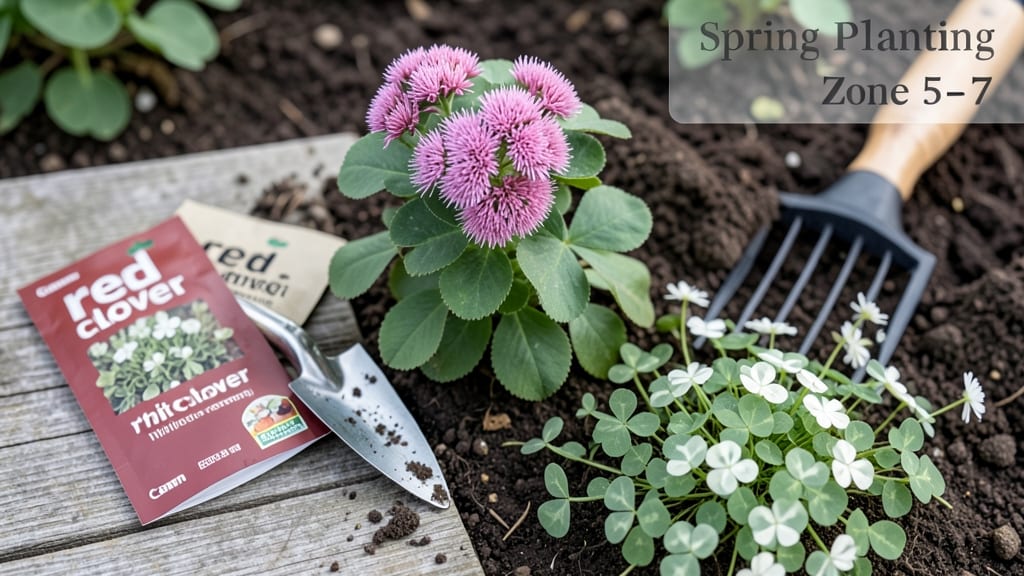
Planting clover in Massachusetts at the wrong time can leave you with stunted growth or wasted effort—but getting the timing right unlocks a lush, nitrogen-rich lawn that thrives year after year.
The key is understanding your local microclimate, whether you're in coastal New Bedford or inland Worcester, where frost dates and soil warmth shift the ideal planting window.
For most of Massachusetts, the sweet spot is early spring (March-April) or early fall (September-October), when soil temperatures hit that 50°F threshold and frost risks fade.
But coastal areas with milder winters might push planting into February, while highland zones in the Berkshires may need to wait until May to avoid late frosts. Let’s break down exactly when to plant for your specific corner of the state.
Why does timing matter so much? Clover establishes roots quickly when conditions are right, outpacing weeds and creating that dense, drought-resistant ground cover we all love.
Skip the guesswork: I’ll share how to read your local frost dates, adjust for microclimates, and even extend your growing season with smart fall planting—so you’re not left scrambling when summer heat arrives.
Ready to transform your lawn or pasture into a clover powerhouse? Grab your gloves—we’re diving into the most efficient planting schedule tailored to Massachusetts’ diverse climate zones, plus pro tips to keep your clover thriving for years. Let’s make your yard the envy of the neighborhood.
Best planting months for clover in Massachusetts by region
Massachusetts' diverse climate means coastal areas enjoy milder winters, while inland regions face harsher frosts. Understanding these differences is key to successful clover planting. The USDA Zones 5b-6b in MA create distinct microclimates, each with ideal planting windows for white, red, or Dutch white clover varieties.
For coastal regions (like Cape Cod or Martha's Vineyard), the growing season starts earlier due to moderate temperatures. Inland areas (Central MA) experience later frost dates, while highland zones (like the Berkshires) have shorter seasons. Always check your last frost date—typically mid-April for most areas.
Here's a quick reference for optimal planting months based on Massachusetts' three main regions:
| Region | Best Planting Months | Soil Temp Requirement | Key Consideration |
|---|---|---|---|
| Coastal (Zones 6a-6b) | March 15 - April 15 September 1 - October 15 |
50°F (10°C) minimum | Milder winters; watch for salt spray near coast |
| Inland (Zones 5b-6a) | April 1 - May 1 September 15 - October 10 |
55°F (13°C) minimum | Later frosts; prioritize well-draining soil |
| Highland (Zones 5a-5b) | May 1 - May 15 August 20 - September 10 |
60°F (16°C) minimum | Short season; use cold-hardy varieties |
Spring planting in March-April gives clover seedlings 6-8 weeks of warm weather to establish roots before summer heat. For fall planting, aim for September-October—this allows roots to grow before winter dormancy. Coastal areas can start 2 weeks earlier than inland zones.
Soil temperature is critical for germination. Use a soil thermometer to confirm 50°F (10°C) minimum. In highland regions, wait until May 1 to avoid late frosts that can kill young plants. Always choose cold-hardy varieties like Dutch white clover for northern MA.
For coastal gardeners, consider salt-tolerant varieties if planting near shorelines. Inland areas should focus on drought-resistant types like red clover. Test your soil's pH level—clover thrives in 6.0-7.0 range. Adjust with lime or sulfur before planting.
After sowing, maintain consistent moisture for 4-6 weeks to prevent seedling stress. Mulch with straw or grass clippings to retain soil warmth. In highland zones, add a light mulch layer to protect against temperature swings.
Remember: Fall planting in September-October is ideal for overwintering success. Seedlings establish roots before winter, giving you earlier blooms next spring. This method works best in coastal and inland regions with milder winters.
Use these regional guidelines to time your planting perfectly. Whether you're growing clover for lawn improvement, bees, or soil health, proper timing ensures vibrant, long-lasting growth throughout Massachusetts' diverse climate zones. 🌱
Best planting months for clover in Massachusetts by region
Massachusetts’ diverse climate means your clover planting schedule should match your specific corner of the state. Coastal areas like Barnstable County enjoy milder winters, while inland regions such as Worcester face harsher frosts.
Even the Berkshires can experience late spring frosts that delay planting. Understanding these variations ensures your clover thrives year-round.
For most of Massachusetts, the ideal planting window is early spring (March-April) or early fall (September-October). This aligns with soil temperatures reaching 50°F (10°C), when clover seeds germinate quickly and establish roots before summer heat arrives.
But let’s break it down by region to avoid common mistakes.
Here’s a quick reference for your local microclimate—whether you’re in the coastal plains, inland valleys, or highland zones:
| Region | Last Frost Date | Best Planting Months | Soil Temp. Threshold |
|---|---|---|---|
| Coastal (e.g., Cape Cod, New Bedford) | Early April | February–March, September–October | 45°F (7°C) |
| Inland (e.g., Boston, Worcester) | Mid-April | March–April, September | 50°F (10°C) |
| Highland (e.g., Berkshires, Green Mountains) | Late April | May, September–October | 55°F (13°C) |
Why does this matter? Coastal areas can plant earlier because their milder winters reduce frost risk, while highland zones often wait until May to avoid late frosts. For example, red clover in the Berkshires planted in May will outperform seeds sown in April, which may still face frost damage.
Always check your local frost dates via the Massachusetts Extension Service for precision.
Pro tip: Use a soil thermometer to confirm temperatures before planting. Clover seeds won’t germinate below 50°F (10°C), and rushing can lead to poor establishment. If your soil is too cold, wait—your patience will pay off with a denser, healthier clover patch.
For those in Zone 5b (e.g., western MA), aim for late April planting to align with warmer soil. Inland areas like Zone 6a (e.g., eastern MA) can start as early as March, but monitor weather forecasts for unexpected cold snaps.
Adjusting for your microclimate ensures your clover grows 2–3 times faster than seeds planted at the wrong time.
Ready to dive deeper? Next, we’ll explore how to adjust planting strategies for coastal salt tolerance, inland drought risks, and highland frost pockets—so your clover thrives no matter where you live in Massachusetts. 🌱