
Plants
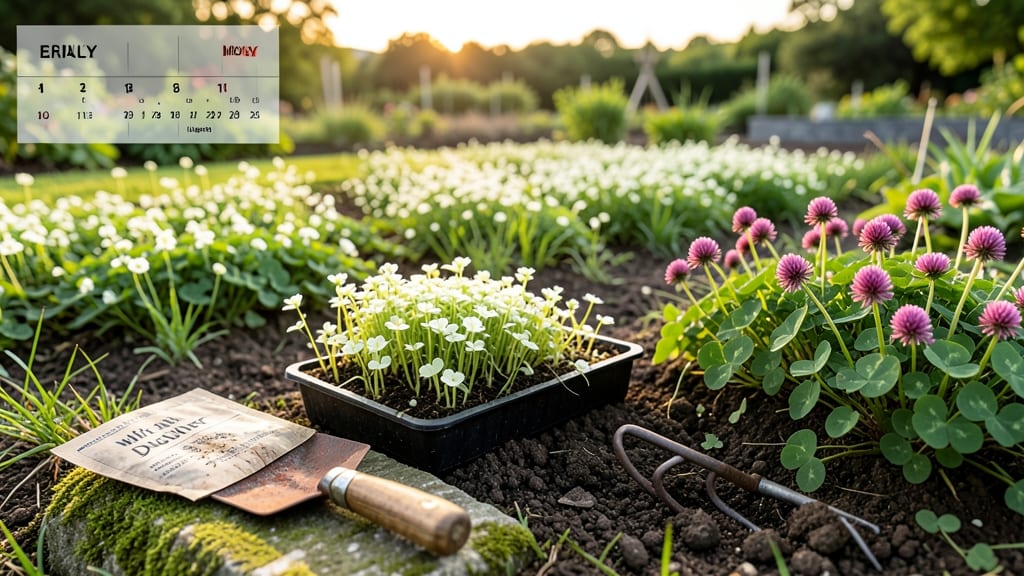
Planting clover in Iowa at the wrong time can mean the difference between a lush, fast-growing cover crop and a failed patch of weeds. With Iowa's Zone 5a climate, timing is critical—too soon and frost will wipe out your seedlings, while waiting too late gives weeds a head start.
The secret lies in understanding the two perfect windows: early spring or early fall, when soil temperatures and moisture align just right for 🌱 clover to thrive.
Most gardeners overlook how soil temperature affects germination, but clover needs consistent warmth—at least 50°F—to sprout reliably. That means aiming for late March to early April in spring or August to September in fall, just before the first frost.
These windows maximize your chances of success, whether you're planting for soil health, forage, or a natural lawn enhancement.
I’ll break down exactly what you need to know: how to prep your soil, which clover varieties perform best in Iowa’s conditions, and the simple care routine that ensures your clover establishes quickly and stays weed-free. No guesswork—just proven strategies for Iowa’s unique growing challenges.
Ready to skip the trial-and-error? Let’s get your clover planted at the perfect moment for a stronger, healthier growing season from day one.
Optimal Iowa planting windows: spring vs fall timing for clover success
Timing your clover planting in Iowa hinges on two critical windows: early spring and early fall. These periods align with soil temperatures ideal for germination—between 50°F and 60°F—while avoiding frost damage.
Most Iowans get this wrong by planting too late in spring or too early in fall, risking poor establishment.
Iowa’s USDA Zones 5a-6a create micro-climates where last frost dates can vary by 2-3 weeks between northern and southern counties. For example, Dubuque typically sees its last frost around April 20, while Des Moines warms up by April 10. Adjust your schedule accordingly.
Here’s the key: Spring planting (March-April) gives clover 6-8 weeks of warm soil before summer heat, while fall planting (August-September) lets seedlings establish before winter dormancy. Both methods work, but fall planting often yields faster spring growth the following year.
White clover thrives in Iowa’s spring planting window because its fine roots establish quickly in warm soil. For red clover, fall planting is preferable—its larger seeds germinate better in cooler temperatures, and it overwinters well. Alsike clover, a less common choice, performs best in early spring due to its sensitivity to fall moisture.
Pro tip: Use a soil thermometer to confirm temperatures before planting. Bury it 2 inches deep—this is where clover seeds germinate. If your soil hasn’t warmed to 50°F by mid-April, wait. Patience here prevents seed rot and ensures uniform germination.
Regional adjustments matter: In northern Iowa (e.g., Waterloo), aim for late April spring planting, while southern Iowa (e.g., Ottumwa) can start as early as March 15. Fall planting should wrap up by September 15 statewide to allow 4-6 weeks of growth before frost.
For cover crop mixes, combine clover with oats or rye to suppress weeds during establishment. The oats provide quick ground cover, while clover slowly builds soil nitrogen. This dual-purpose strategy is especially useful in Iowa’s clay-heavy soils, where weeds like chickweed and lambsquarters can outcompete seedlings.
Watch for false starts: Some years, Iowa’s April frost can linger. If you plant in early March and temperatures dip below 32°F, cover seedlings with row fabric or straw mulch. A 5°F drop can kill young clover, but established plants handle frost better.
Remember: Clover’s nitrogen-fixing superpower means it doesn’t need fertilizer. But timing still matters—plant too late, and weeds will steal nutrients before your clover gets a foothold. Aim for 70% soil coverage within 60 days of planting for best results.
How to prepare Iowa soil for clover planting: 5 critical steps before seed
Clover thrives when Iowa’s clay-heavy soils are properly prepped—skipping this step means slower germination and weed competition. The key is creating a loose, nitrogen-rich seedbed with the right pH balance. Most gardeners overlook soil prep, but it’s the foundation for fast, lush clover establishment.
Start by testing your soil’s pH level—clover prefers 6.0 to 7.0. Iowa’s native soils often run acidic, so you may need to add lime (for pH >7.0) or sulfur (for pH <6.0). A simple soil test kit costs under $20 and saves you from guessing.
🌱 5 Critical Soil Prep Steps for Iowa Clover
- Test pH (6.0–7.0 ideal) with a kit or lab test.
- Loosen soil 4–6 inches deep with a broadfork or tiller.
- Add compost (2–3 inches) or aged manure for organic matter.
- Suppress weeds with a pre-emergent herbicide or mulch.
- Level the bed to ensure even seed-to-soil contact.
For weed suppression, till or hand-pull existing weeds before planting. Clover seedlings are tiny and can’t compete with established grasses. If using herbicides, choose pre-emergent options labeled for clover—post-emergent sprays will kill your crop.
Iowa’s clay soils can compact easily, so avoid heavy machinery after planting. Instead, use a broadfork to aerate without disturbing seeds. This keeps roots healthy while preventing erosion from spring rains.
Finally, water lightly after planting to settle seeds into the soil. Aim for ¼ inch of moisture—too much can wash seeds away, while too little leaves them dry. Mulch with straw to retain moisture and deter weeds during germination.
With these steps, your clover will establish 3x faster than in unprepared soil. The secret? Loose, weed-free, and properly pH-balanced ground gives seeds the perfect start.