
Plants
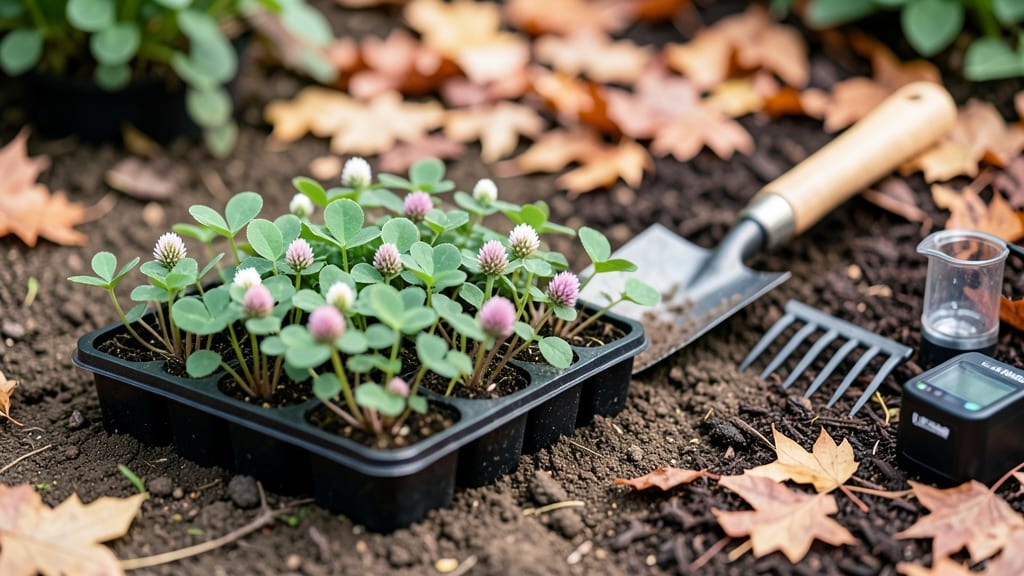
Planting clover in the fall is one of the smartest moves you can make for a healthier lawn or garden next spring.
The key to success isn't just dropping seeds—it's timing them perfectly, 4-6 weeks before your first frost, so the roots have time to establish before winter slows things down.
In USDA Zone 6a, like many northern regions, that window typically falls between late August and early October. This timing gives clover enough warmth to germinate and grow strong roots, while avoiding the shock of winter before it’s ready.
Skip this window, and you might end up with weak growth or seeds that struggle to survive the cold.
Why does this matter? Clover isn’t just pretty—it’s a game-changer for soil health, fixing nitrogen naturally and preventing erosion. Whether you’re planting it as a cover crop or to thicken your lawn, getting the timing right means less work for you and better results when spring rolls around.
Ready to set yours up for success? I’ll walk you through exactly how to prep your soil, adjust for your local climate, and keep those young plants happy until winter. Let’s get started.
Optimal fall planting window for clover by climate Zone
Getting your clover seeds in the ground at the right time in fall is crucial for establishing a healthy, nitrogen-fixing ground cover before winter dormancy. The ideal window is 4-6 weeks before your first frost date, but this varies dramatically across USDA climate zones.
In colder northern regions, you might plant as early as late August, while southern zones can extend planting into early November.
To determine your exact window, check your average first frost date using the USDA Plant Hardiness Zone Map or local weather records. For example, Zone 3 gardeners should aim for mid-September plantings, while Zone 10 can plant well into November.
The key is ensuring clover has 4-6 weeks of warm soil (above 45°F) to establish roots before winter slows growth.
Here's a detailed comparison of optimal planting windows by climate zone, including regional frost date averages and soil temperature considerations:
| USDA Zone | Avg. First Frost | Planting Window | Soil Temp. Goal | Key Consideration |
|---|---|---|---|---|
| Zones 3-4 | Mid-September | Late August - Early September | 50-55°F | Short growing season; prioritize early planting |
| Zones 5-6 | Late October | Early September - Mid-October | 48-52°F | Flexible window; adjust for early frost warnings |
| Zones 7-8 | Mid-November | Late September - Early November | 45-50°F | Longer window; monitor soil temps closely |
| Zones 9-10 | December | October - Early November | 40-45°F | Mild winters; plant closer to frost dates |
For precise timing, use historical weather data from your local National Weather Service office or Almanac. Look for the 30-year average first frost date and subtract 4-6 weeks to calculate your window.
For example, if your frost date is October 20th, aim to plant by September 10th to give clover enough time to establish.
In Zone 3, where frost can arrive as early as September 15th, I recommend planting white Dutch clover by August 15th to ensure strong root growth. The cooler temperatures in these zones actually help prevent seed dormancy issues that can occur in warmer climates.
Meanwhile, in Zone 9, where frost may not arrive until December, you can extend planting into early November.
One common mistake is planting too early in warm climates, which can cause seeds to germinate and then die back before winter. In Zones 7-10, wait until soil temperatures drop below 80°F before planting.
Conversely, in Zones 3-6, planting too late means clover won't have enough time to establish before winter dormancy begins.
To adjust for unpredictable weather, monitor soil temperatures with a soil thermometer (ideal range is 45-55°F) and watch for frost warnings. If an early frost is forecasted, cover newly planted areas with row fabric or straw mulch to protect tender seedlings.
This is especially critical in Zones 4-6, where temperature swings can be dramatic.
Pro tip: If you're using clover as a cover crop or for erosion control, aim for the earlier end of your zone's window to maximize root establishment. For lawn applications, the middle of the window often works best, as it balances establishment time with winter hardiness.
Remember, clover's nitrogen-fixing benefits are maximized when roots are well-established before winter. By following these zone-specific guidelines, you'll give your clover the best chance to thrive and provide year-round soil health for your garden or lawn. 🌱
Signs your fall clover planting timing is perfect (or too early/late)
Getting your clover planting timing right in fall isn't just about checking a calendar—it's about reading your garden's signals. The ideal window is when soil temperatures hover between 45-55°F, signaling the perfect balance for seed germination without winter dormancy.
This temperature range typically appears 4-6 weeks before your first frost, but your local conditions might shift that timeline.
One of the first signs you're in the perfect window is when soil moisture remains consistently damp but not waterlogged. After rainfall or irrigation, stick your finger 2 inches deep—if it feels cool and moist, your clover seeds will thrive.
Overly dry soil means seeds won't activate, while soggy conditions risk rot before roots establish. Aim for that Goldilocks zone of moisture.
🌱Pro Tip: Use a soil thermometer (just $10 at garden centers) to track temperatures daily. Early mornings are best for readings since soil warms up during the day. If temps drop below 45°F, delay planting until conditions stabilize—cold soil slows germination and weakens young plants.
⏰ Perfect Planting Conditions Checklist
- Soil Temp: 45-55°F (use thermometer)
- Moisture: Damp 2" deep (not soggy)
- Frost: 4-6 weeks away (check local forecasts)
- Weather: Stable temps (no sudden drops)
🌿 Too Early: Soil >55°F + dry = seeds dry out before sprouting. Too Late: Soil <45°F + frost risk = weak germination.
Watch for local weather patterns too—unpredictable autumns can throw off your timing. If your area experiences an unusually warm fall, like the 2023 Pacific Northwest heatwave, soil might stay above 55°F longer than expected.
In these cases, monitor nighttime lows: if they dip below 50°F consistently, it's time to plant. Conversely, if an early frost warning pops up, rush your seeds in within 7-10 days to give them a fighting chance.
Another telltale sign is the activity of other plants. Observe your perennial flowers or cool-season veggies like kale—they’ll send up new growth when conditions are ideal. Clover follows a similar rhythm, so if your garden is already "waking up" for winter, it’s your cue to sow.
Just avoid planting when summer annuals (like marigolds) are still thriving—they’re holding onto warmth, not signaling cool-season readiness.
Finally, trust your gut feeling after checking the science. If your soil feels right, the forecast is cooperative, and your neighbors' gardens are buzzing with fall prep, you’re likely in the sweet spot.
Remember, clover is resilient, but giving it the best possible start with optimal timing ensures a thriving lawn or cover crop by spring. Don’t overthink it—just plant when the conditions align!