
Plants
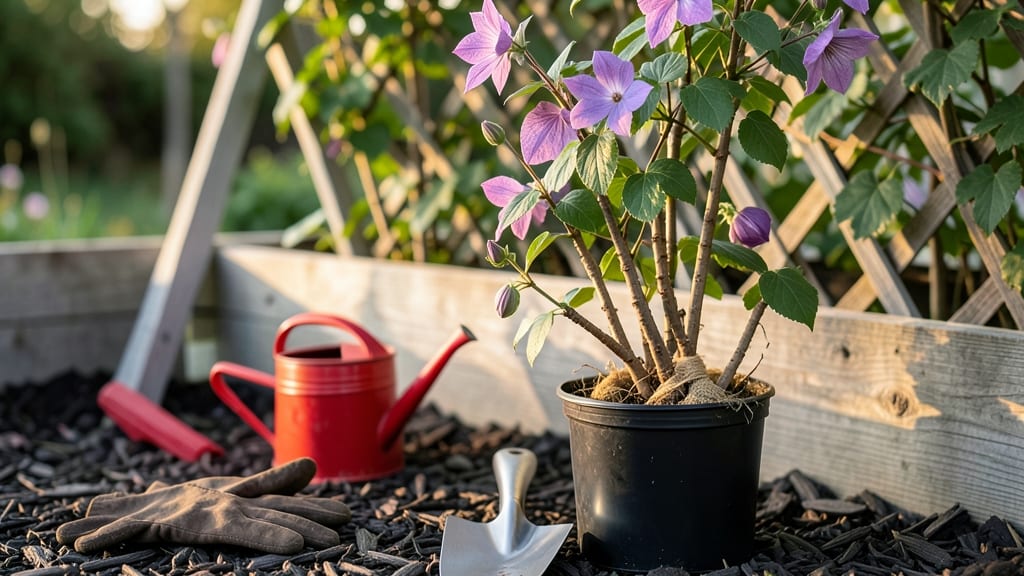
Planting your clematis 🌸 at the wrong time in Zone 8 could mean struggling with weak stems or missed blooms next season. The key to vibrant growth lies in understanding when soil temperatures shift—because early spring or late fall timing makes all the difference.
In Zone 8, where winters are mild and summers can be brutal, timing your clematis planting matters more than you might think. Too early, and frost could damage tender roots; too late, and summer heat stress sets in before roots establish.
I’ll walk you through the ideal planting windows—plus how to prep your soil and location for maximum success.
Whether you’re a first-time gardener or a seasoned pro, getting this right ensures your clematis thrives. You’ll learn how to avoid common pitfalls like overwatering or poor drainage, and I’ll share a quick troubleshooting tip for late-winter plantings.
Let’s get your clematis off to the best start possible—because the right timing now means stunning blooms for years to come.
Best months to plant clematis in Zone 8 for maximum success
Clematis thrives in Zone 8 thanks to its mild winters and warm growing season, but timing is everything. Planting too early exposes roots to late frosts, while waiting too long risks summer heat stress.
The ideal window balances these extremes for strong root establishment before the first flush of blooms.
Most gardeners in Zone 8 agree: early spring (March-April) and late summer/early fall (August-September) are the sweet spots. These periods align with soil temperature thresholds of 50-65°F, perfect for root growth without overwhelming the plant.
Let's break down why these months work best and how microclimates in Zone 8 can shift your timing slightly.
Comparison Table: Planting Clematis in Zone 8
| Planting Window | Optimal Months | Soil Temp | Zone 8 Benefits | Risks to Avoid |
|---|---|---|---|---|
| Early Spring | March-April | 50-65°F | 6+ weeks before last frost; roots establish before summer heat | Late frosts (below 28°F) |
| Late Summer/Early Fall | August-September | 60-75°F | Cooler temps reduce transplant shock; roots grow before winter dormancy | Early frosts (before roots harden) |
| Late Winter (Prep) | February | 40-50°F | Soil prep; protect roots with mulch | Planting too early (frost damage) |
For early spring planting, aim to get clematis in the ground 4-6 weeks before your last frost date. In most of Zone 8, this lands in mid-March to early April.
The key is ensuring roots have time to establish before summer's intense heat arrives. I always test soil temperature with a soil thermometer—wait until it consistently reads 55°F or warmer.
If you prefer fall planting, focus on late August through September. This gives roots time to grow before winter dormancy sets in.
In cooler microclimates (like higher elevations in Zone 8), you might push planting to early October, but avoid planting when frost is forecasted within 2 weeks.
Zone 8's microclimates can shift planting windows by 2-4 weeks. Coastal areas stay milder, allowing later fall planting (even October), while inland regions may need to plant by mid-September. Observe your local last frost date—most Zone 8 gardeners experience theirs between mid-November and early December.
Pro tip: If you're planting in late winter (February), focus on soil preparation rather than planting. Loosen soil, add compost, and mark your planting spot. Cover the area with mulch to protect roots from late frosts that can still occur in Zone 8.
This early prep ensures your clematis is ready to thrive when you plant in spring.
One common mistake in Zone 8 is planting too late in spring, when summer heat stress becomes a risk. Clematis planted in May or June often struggle to establish roots before the 100°F+ temperatures of late summer.
Always prioritize root establishment over early blooms—your plant will reward you with healthier vines and bigger flowers next season.
For container-grown clematis, timing is slightly more flexible. You can plant these 1-2 weeks later than bare-root plants because their roots are already established. However, still avoid planting when soil temperatures exceed 75°F, as this can cause root burn.
Remember, clematis is a perennial vine that will thrive for decades with proper care. Taking the time to plant at the right moment sets the stage for vibrant blooms and minimal maintenance in future seasons.
With Zone 8's favorable climate, you're already giving your clematis a head start—now it's just about perfecting the timing.
How to prepare clematis for Zone 8 planting: soil, sun, and Spacing
Zone 8’s humid summers and mild winters create unique challenges for clematis planting. The right soil prep and sunlight strategy can mean the difference between a thriving vine and one struggling with fungal issues. I’ve planted clematis in Zone 8 for years, and these adjustments make all the difference.
First, focus on well-draining soil—clematis roots rot quickly in soggy conditions. Mix in compost or aged manure to improve texture, and aim for a pH between 6.0 and 7.0. Zone 8’s heat can bake soil, so adding organic matter helps retain moisture without suffocating roots.
Next, sunlight needs are critical. While clematis loves sun, Zone 8’s intense afternoon rays can scorch leaves. Plant in a location with morning sun and afternoon shade, especially for varieties like 'Jackmanii' or 'Niobe'. A trellis or arbor provides both support and dappled shade.
Companion planting is another smart move. Pair clematis with drought-tolerant perennials like lavender or Russian sage to reduce competition for water. Avoid planting near trees—roots compete aggressively, and shade can weaken blooms.
🌱 Zone 8 Clematis Planting Checklist
- ✅ Best planting time: Early spring (March-April) or late summer (August-September)
- ✅ Soil pH: 6.0–7.0 (test and amend with lime or sulfur if needed)
- ✅ Sunlight: 6+ hours morning sun, afternoon shade in peak summer
- ✅ Spacing: 3–5 feet from structures, 5–6 feet between plants
- ✅ Mulch: 2–3 inches organic mulch to retain moisture
💡 Pro Tip: Plant crown 4–6 inches deep—too shallow invites rot, too deep stunts growth.
Spacing is often overlooked but crucial. Clematis vines spread aggressively, so give each plant 3–5 feet of clearance from walls or fences. For large varieties like 'Montana', allow 5–6 feet between plants to prevent overcrowding and fungal spread.
Finally, mulch heavily after planting. A 2–3 inch layer of organic mulch (like shredded bark) keeps roots cool in summer and retains moisture. In Zone 8’s humidity, this reduces the risk of powdery mildew, a common clematis enemy.
With these adjustments, your clematis will establish strong roots and reward you with bold blooms all season. The key is balancing Zone 8’s climate quirks with the plant’s natural needs—don’t let humidity or heat stress hold you back! 🌿