
Plants
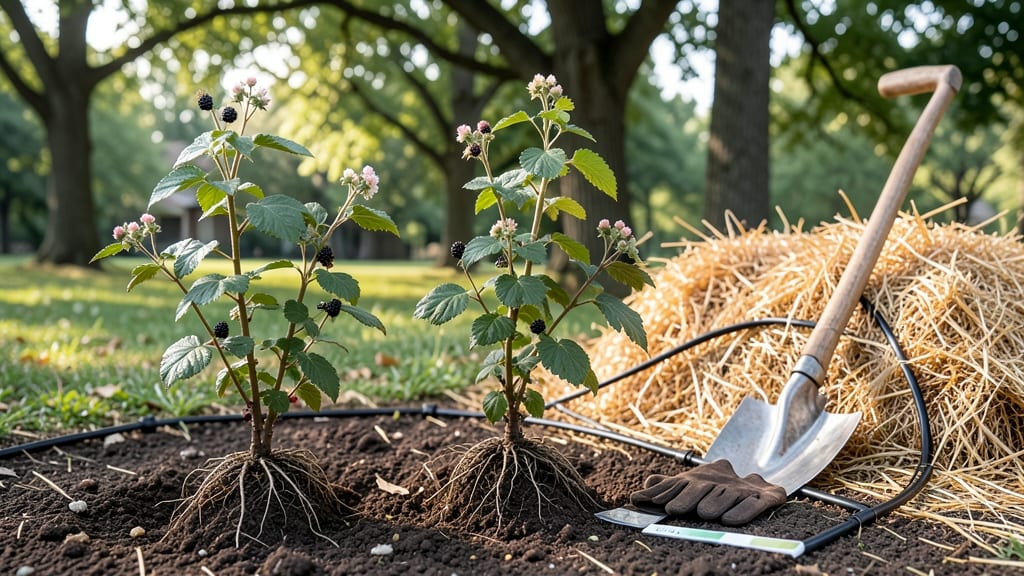
Planting blackberries in Arkansas at the wrong time means frost will kill your young canes or weak roots before they establish. The key to a thriving 🫐 harvest starts with choosing the right window—whether you're in the cooler Ozarks or the warmer Delta.
Most Arkansas gardeners swear by early fall planting, between September and October, when soil stays warm enough for roots to grow but temperatures won’t spike. But if you miss that boat, late winter (February-March) is your second chance—just be ready to protect new growth from late frosts.
Why does timing matter so much? Blackberries need 60-120 days to establish strong roots before winter hits. Plant too late, and your bushes might struggle to fruit the following summer. I’ll break down the best months for your variety and how to prep your soil for Arkansas’ unique microclimates.
From adjusting for frost risks in Zone 7a to managing humidity in the Delta, this guide covers everything you need to plant confidently. Let’s get those canes in the ground the right way—so you can enjoy a bountiful harvest from mid-summer on.
Best planting months for blackberries in Arkansas by variety (flowering vs. primocane)
Arkansas gardeners face unique challenges when planting blackberries, thanks to its diverse USDA zones (7a–8b) and unpredictable late-spring frosts. The right planting window depends on whether you're growing summer-bearing varieties or primocane-fruiting types, which produce fruit on new canes.
Let's break down the best times to plant for Arkansas' climate and your specific variety.
For summer-bearing blackberries (like Natchez or Triple Crown), the ideal planting months are late winter to early spring (February–March) or early fall (September–October).
These varieties produce fruit on floricanes (second-year canes), so they need time to establish roots before their first harvest. Primocane-fruiting varieties (like Prime-Ark Freedom or Arapaho) are more flexible—they fruit on new growth and can handle fall planting better.
In northern Arkansas (zones 6b–7a), like the Ozark Mountains, late-spring frosts can damage new growth if planted too early. Wait until after the last frost date (typically mid-April) for spring planting.
In southern Arkansas (zones 7b–8a), like the Delta, the window is wider—you can plant as early as February or even late fall (November) if the ground isn't frozen.
If you're planting thornless varieties, like Arapaho or Prime-Ark 45, focus on early fall (September–October). These types are more sensitive to winter dieback if planted too late, but their ease of harvest makes them worth the extra care.
For thorny varieties (like Natchez), spring planting (February–March) gives them a head start before Arkansas' summer heat sets in.
For primocane-fruiting blackberries, fall planting is your best bet. These varieties produce fruit on new canes the same year, so they benefit from an early start. In southern Arkansas, you can even plant as late as November if the soil is workable.
In northern Arkansas, stick to September to avoid early winter frosts.
One critical tip for Arkansas gardeners: always check your local frost dates before planting. Use the Arkansas Climate Office or your cooperative extension service for updates. If you're in Zone 7a (like Fayetteville), wait until after April 15 for spring planting.
In Zone 8a (like Little Rock), you can plant as early as February.
After planting, mulch heavily with straw or wood chips to retain moisture and regulate soil temperature. This is especially important in Arkansas' hot, humid summers, where water stress can stunt young plants. Water deeply once a week during the first growing season to encourage strong root development.
Remember, blackberries thrive in full sun (6+ hours daily), so choose a south-facing location with well-draining soil. If your soil is clay-heavy (common in the Delta), amend it with compost and sand to improve drainage.
With the right planting timing and care, your Arkansas blackberry patch can yield sweet, juicy berries for years to come!
Arkansas microclimate risks: how to adjust planting for frost zones, humidity, and soil conditions
Arkansas’ diverse climate zones—ranging from USDA Zone 5a in the Ozarks to Zone 8a in the Delta—mean blackberry planting isn’t one-size-fits-all. Late-spring frosts in the northern Ozarks can delay planting by weeks, while southern Arkansas’ humidity increases disease risks like botrytis.
Understanding these risks helps you time your planting for success.
Start by checking your local frost dates. In Zone 6a-7a (central Arkansas), the last frost typically hits mid-March, but colder microclimates in the Arkansas River Valley may see frost into early April.
Wait until two weeks after your area’s average last frost to plant summer-bearing varieties like ‘Natchez’ or ‘Chester’.
For primocane-fruiting varieties (e.g., ‘Prime-Ark Freedom’), plant in early fall (September-October) to give roots time to establish before winter. These varieties produce fruit on new wood, so fall planting aligns with their growth cycle. Avoid planting in November—roots won’t harden off in time for winter survival.
🌡️ Arkansas Microclimate Risks
- ✅ Pro: Longer growing season
- ❌ Con: Late frosts delay spring planting
- 💡 Tip: Use row covers for early varieties
- ✅ Pro: Warmer soil for earlier planting
- ❌ Con: High humidity = botrytis risk
- 💡 Tip: Space plants for airflow and mulch with straw
- ✅ Pro: Mild winters for fall planting
- ❌ Con: Heavy clay soil = poor drainage
- 💡 Tip: Amend soil with sand/compost before planting
Soil conditions vary wildly across Arkansas. In the Delta’s heavy clay, blackberries need amended soil—mix in 2-3 inches of compost and sand to improve drainage.
Meanwhile, sandy soils in the Ozarks benefit from orgainc mulch to retain moisture. Test your soil’s pH (5.5-6.5 ideal)—lime may be needed in acidic areas.
Humidity is a hidden enemy in Arkansas. To combat fungal diseases, plant thornless varieties (e.g., ‘Arapaho’) that are easier to manage in tight spaces. Prune for air circulation and avoid overhead watering. In high-humidity zones, apply copper fungicide preventatively in spring.
Finally, watch for microclimate pockets. A south-facing slope warms faster than a north-facing valley, so adjust planting dates accordingly. If your yard has frost pockets, opt for primocane varieties that fruit later in the season when temperatures are more stable.