
Plants
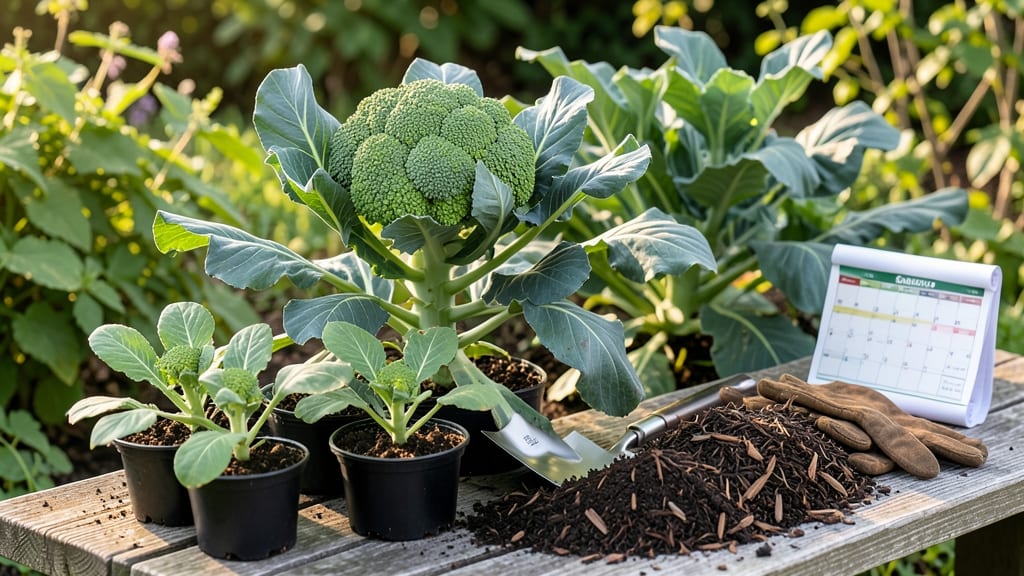
If you've ever planted broccoli in Zone 7a only to watch it bolt before producing a single edible head, you're not alone.
The key to growing crisp, flavorful 🥦 lies in planting at the perfect time—too early, and frost zaps your crop; too late, and summer heat sends it running to seed.
For Zone 7a gardeners, timing is everything: early spring (February-March) or late summer (August-September) are your best bets. These windows align with cooler temperatures that broccoli craves, while avoiding the heat that triggers bolting.
But here's the secret most beginners miss—even within these months, specific soil temperatures and frost dates create ideal planting windows.
I'll walk you through exactly when to plant for maximum yields, how to prepare your soil for success, and why some gardeners get two harvests in one season.
Whether you're a first-time grower or a seasoned vegetable enthusiast, these insights will help you grow broccoli that's ready to harvest when you need it most.
Let's dive into the simple strategies that make all the difference between a disappointing patch and a garden full of homegrown 🥦 perfection. You'll discover how to work with Zone 7a's climate instead of against it, ensuring your broccoli thrives from seed to harvest.
Best planting windows for broccoli in Zone 7a (with temperature guides)
In Zone 7a, broccoli thrives when planted during two key windows: early spring and late summer/fall. These periods align with cooler temperatures that prevent premature bolting—the enemy of sweet, tender heads.
The average last frost date in Zone 7a is around March 15, while the first frost typically arrives by November 15. Timing your plantings to avoid summer heat (above 80°F) is critical for success.
Broccoli is a cool-season crop that prefers soil temperatures between 40°F and 75°F. When soil heats above 80°F, plants bolt rapidly, sending up bitter flower stalks instead of forming heads.
In Zone 7a, this means avoiding mid-summer plantings unless you choose heat-tolerant varieties like 'De Cicco' or 'Calabrese'. Even then, afternoon shade helps extend the growing window.
For the best results, focus on these two planting strategies: direct sowing in early spring and transplanting in late summer. Direct sowing gives seedlings a head start, while transplants allow you to extend your harvest into fall.
Let’s break down the ideal timing for each method, along with soil temperature requirements to keep your broccoli happy and productive.
Here’s a quick reference for your planting schedule in Zone 7a:
Direct sowing in early spring (February–March) is ideal for fast-maturing varieties like 'Waltham 29' or 'Green Gems'. Start seeds indoors 4–6 weeks before your last frost date or sow directly into the garden once soil temperatures stabilize above 40°F.
For transplants, purchase 4–6 week-old seedlings from nurseries and harden them off before setting them out.
Late summer plantings (August–September) are your best bet for a fall harvest in Zone 7a. Aim to transplant seedlings 90–100 days before your first frost (typically mid-November).
This timing ensures heads mature before cold weather sets in. Use black plastic mulch to warm the soil and extend the growing season by a few weeks.
If you’re eager to try summer broccoli, opt for heat-tolerant varieties like 'De Cicco' or 'Calabrese'. These can handle brief periods above 80°F but still require afternoon shade and daily watering to prevent bolting.
Plant these in June–July and expect a harvest in late August–September, just as cooler weather returns.
Monitor soil temperatures closely using a soil thermometer—broccoli roots struggle in soil above 75°F. In Zone 7a, afternoon temperatures often spike in summer, so mulch heavily with straw or wood chips to keep roots cool.
Pair this with drip irrigation to maintain even moisture, which is critical during head formation.
One common mistake in Zone 7a is planting too early in spring when soils are still cold. Broccoli seeds won’t germinate below 40°F, so wait until soil warms to at least 45°F before sowing.
Similarly, avoid planting fall broccoli too late—seedlings need 6–8 weeks to establish before cooler weather arrives.
Pro tip: Use row covers in early spring to protect young plants from late frosts. In fall, extend your harvest by covering plants with frost blankets once temperatures dip below 30°F. This simple trick can add 2–3 extra weeks to your growing season in Zone 7a.
By aligning your plantings with these temperature-guided windows, you’ll maximize yields and minimize bolting. Whether you’re growing broccoli for its nutrient-rich florets or crisp side shoots, timing is the secret to success in Zone 7a’s variable climate.
Best planting windows for broccoli in Zone 7a (with temperature guides)
In Zone 7a, broccoli thrives in cool-season windows—either early spring or fall. Plant too early, and frost risks damage; too late, and summer heat triggers bolting. My secret? Align planting with soil temps between 40°F and 85°F for optimal growth.
Spring planting starts 4-6 weeks before last frost (mid-February to early March). Fall planting happens 90-100 days before first frost (late August to early September). Heat-tolerant varieties like 'De Cicco' can handle summer, but most bolt by 85°F.
| Planting Window | Ideal Months | Soil Temp | Days to Maturity |
|---|---|---|---|
| Early Spring | February-March | 40°F-65°F | 50-70 days |
| Late Summer | August-September | 50°F-75°F | 60-90 days |
| Heat-Tolerant Varieties | June-July | Up to 85°F | 70-90 days |
For direct sowing, start seeds indoors 4-6 weeks before transplanting to extend your season. Harden off seedlings by placing them outdoors for 2-3 hours daily before full transition. Transplants need 18-24 inches apart in rows 30 inches apart.
Zone 7a’s last frost date (March 15) and first frost date (November 15) create a 190-day frost-free window. Use this to plan two harvests: one in May-June and another in October-November. Avoid planting after July 15 unless using bolt-resistant varieties.
Pro tip: Cover young plants with frost cloth if late spring frosts threaten. Mulch with straw or grass clippings to retain soil moisture and regulate temps. Monitor soil moisture—consistent dampness prevents bolting better than occasional deep watering.
Remember: Broccoli’s ideal growing temp is 60°F-70°F. If summer temps exceed 80°F, provide afternoon shade with 30% shade cloth. This simple adjustment can add 2-3 extra weeks to your harvest window.