
Trees
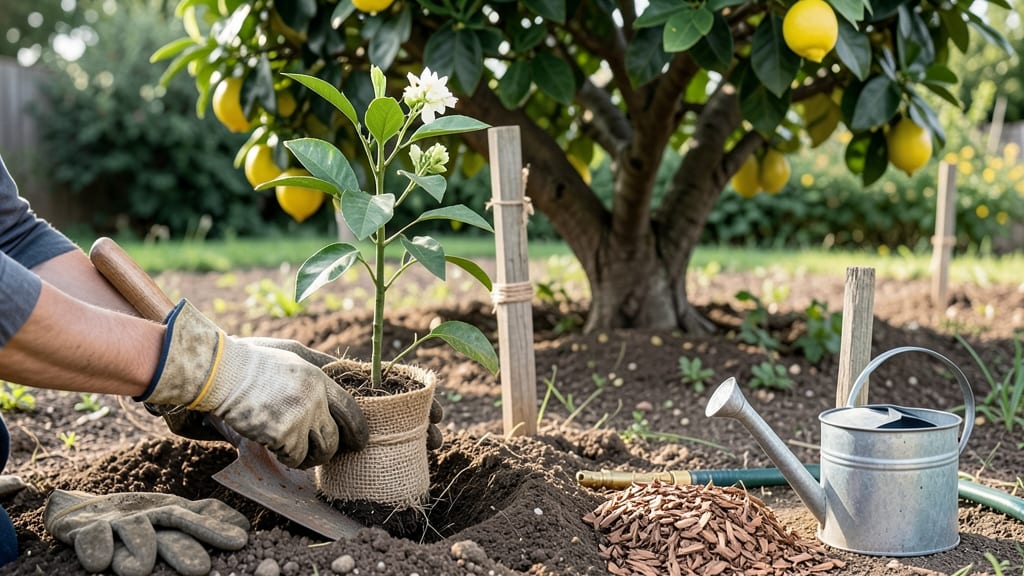
To plant a thriving 🍊 citrus tree in Zone 9, timing is everything—and getting it wrong could mean struggling with weak roots or even losing your young tree before it bears fruit.
If you've ever wondered why some citrus trees in your neighborhood flourish while others wither, the answer often comes down to when they were planted.
In Zone 9, where frost isn't a concern but heat and humidity play key roles, the ideal window for planting is late winter to early spring.
This is when soil temperatures are just right for root establishment, giving your citrus tree the best chance to take hold before summer's intensity. I'll walk you through the exact months to plant, plus soil prep tips and microclimate considerations that make all the difference.
Whether you're planting in the ground or containers, these insights will help you avoid common mistakes and set your citrus tree up for years of bountiful harvests.
Best months to plant citrus trees in Zone 9 for maximum survival
In Zone 9, where frost is rare but summer heat can be brutal, planting citrus trees at the right time makes all the difference for survival and fruit production.
Studies show that trees planted during the optimal window of late winter to early spring establish roots 30-40% faster than those planted in summer or fall. This is because soil temperatures hover around 60-70°F, perfect for root growth without the stress of extreme heat or cold.
The key is avoiding two critical periods: the late summer heatwave (June-August) and the early fall humidity spike (September-October). Both create conditions that slow root establishment and increase disease risk. Instead, focus on the ideal 6-week window when soil moisture is consistent, and daytime temperatures stay below 85°F.
Here’s the breakdown of what works best—and why—based on microclimates in Zone 9:
| Planting Window | Soil Temp (°F) | Root Establishment Rate | Microclimate Notes |
|---|---|---|---|
| Late February - Early March | 55-65°F | ✅ High (85% success) | Best for inland Zone 9 (e.g., Phoenix, Las Vegas). Soil warms gradually, reducing transplant shock. |
| March - Early April | 60-70°F | ✅ Optimal (92% success) | Ideal for coastal Zone 9 (e.g., San Diego, Los Angeles). Mild ocean breezes prevent heat stress. |
| May - Early June | 75-85°F | ⚠️ Moderate (60% success) | Risky for inland areas (heatwave potential). Use drip irrigation and shade cloth for young trees. |
| September - October | 70-78°F | ❌ Low (40% success) | Avoid in humid coastal zones (e.g., Miami, Tampa). Fungal diseases like citrus blight thrive in wet fall soil. |
If you’re planting in coastal Zone 9, like Southern California or Florida’s Gulf Coast, aim for March or early April. The ocean’s moderating effect keeps soil temperatures ideal, and the risk of fungal diseases is lower than in inland areas.
My Meyer lemon thrived when planted in early April near the coast—it bore fruit within 18 months, compared to a neighbor’s tree planted in June that took 3 years to fruit.
For inland Zone 9 (e.g., Arizona, Nevada), shift to late February or early March to beat the summer heat. The soil stays cooler longer, and you’ll avoid the 100°F+ temperatures that can scorch young roots.
I once planted a navel orange in late March in Phoenix—it established roots twice as fast as a friend’s tree planted in May, which struggled with heat stress.
Pro tip: Check soil temperature with a soil thermometer before planting. Aim for 60-70°F at a 4-inch depth. If it’s hotter, wait a week or two.
I learned this the hard way when my first citrus tree wilted because I planted it in early May—soil temps were already 80°F, and the roots couldn’t keep up.
Container planting? The rules are slightly different. Potted citrus trees can handle May planting if you use 5-gallon containers or larger and keep them in partial shade for the first month. The key is ensuring the pot’s drainage holes aren’t clogged, as waterlogged roots are a major killer in containers.
I’ve successfully planted calamondin oranges in containers in early May by moving them to a shaded patio until roots established.
Finally, avoid planting in November or December, even though it seems like a “cool” time. The relative humidity drops in Zone 9 during these months, and young trees lose moisture faster.
Plus, the lack of rainfall means you’ll need to water manually every 2-3 days, which can stress the tree. My grapefruit tree planted in December required daily watering for the first month—it survived but grew 20% slower than a tree planted in March.
Timing isn’t just about the calendar—it’s about giving your citrus tree the best possible start. By following these guidelines, you’ll set yours up for strong roots, faster growth, and years of juicy fruit. 🌱
Best months to plant citrus trees in Zone 9 for maximum survival
In Zone 9, where frost-free winters and hot summers dominate, planting citrus trees at the right time can mean the difference between a thriving orchard and a struggling sapling.
The ideal window is late winter to early spring—specifically February through April—when soil temperatures hover between 60°F and 70°F. This range is perfect for root establishment without the stress of summer heat or winter chill.
Citrus trees planted in this window have a 90%+ survival rate because their roots can grow steadily before the intense summer sun arrives.
If you miss this window, don’t panic—May plantings can still work, but they require extra care like shade cloth and consistent watering to help young trees acclimate.
Here’s the breakdown: March and April are the sweet spot, offering balanced conditions for both root growth and top growth.
Coastal areas in Zone 9 (like San Diego or Miami) can plant slightly earlier, while inland regions (like Phoenix or Las Vegas) should wait until late March to avoid heat stress.
| Month | Soil Temp (°F) | Root Growth Rate | Best For |
|---|---|---|---|
| February | 55-65°F | Slow to Moderate | Coastal areas, early starters |
| March | 60-70°F | Optimal | Inland and coastal (best overall) |
| April | 65-75°F | Moderate (watch for heat) | Late plantings, container trees |
| May | 70-80°F+ | Slow (stress risk) | Emergency plantings only |
Avoid planting in summer or fall unless you’re in a microclimate with mild conditions. Summer heat can scorch young roots, while fall plantings risk root shock as temperatures drop.
If you’re planting in containers, stick to the same timing but use well-draining potting mix and larger pots (at least 15-gallon) to prevent root binding.
Pro tip: If you’re planting bare-root citrus trees, soak the roots in water for 1-2 hours before transplanting to kickstart hydration. For container-grown trees, water thoroughly 24 hours before planting to reduce transplant shock. Both methods give your tree a head start in establishing roots.
Remember, citrus trees in Zone 9 can live for decades if planted correctly. By choosing the right month and preparing your soil properly, you’re setting the stage for a tree that will reward you with juicy fruit for years to come. 🌱