
Plants
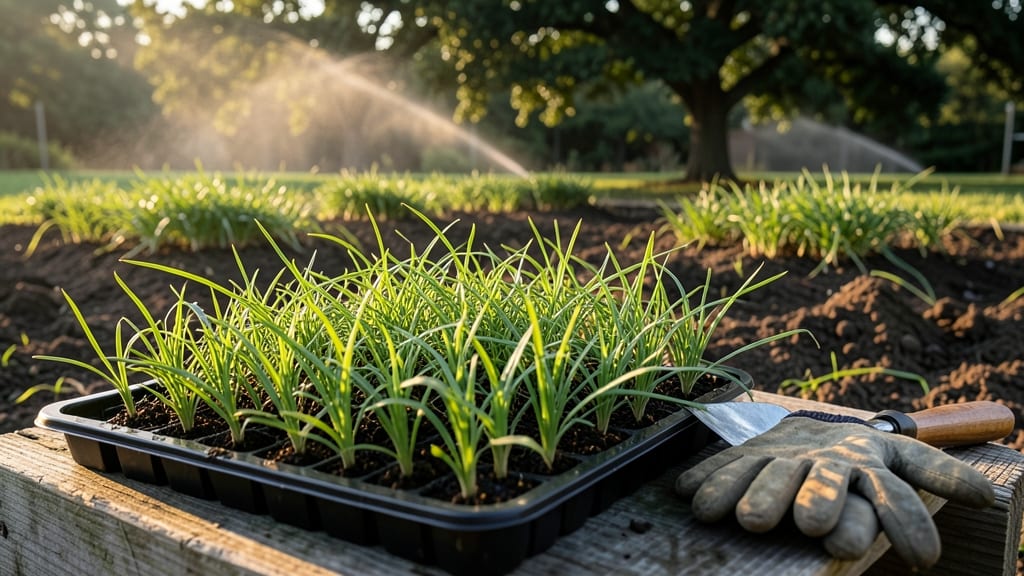
Planting Coastal Bermuda Grass hay at the wrong time in Texas can mean the difference between a fast-growing, drought-resistant forage and a failed crop. This hardy grass thrives in 9a-10a zones, but timing matters—too early and frost zaps your seedlings, while late planting risks summer heat stress.
The ideal window for planting is just right after the last frost, when soil warms to 65°F or higher.
For Texas ranchers and farmers, the best months to plant are March through May for spring establishment or August through September for fall. These periods balance soil warmth, rainfall, and shorter daylight hours that reduce stress on young plants.
Coastal regions get an extra edge with milder winters, but even here, avoiding frost is critical.
Why does timing matter so much? Coastal Bermuda Grass germinates best when soil temperatures are consistent, and planting too early can lead to slow growth or even seed rot. Too late, and the intense Texas sun can dry out seedlings before they take root.
I’ll show you how to read your local microclimate and adjust planting dates for maximum success—no guesswork required.
Whether you're a seasoned farmer or new to hay production, getting the timing right ensures your Coastal Bermuda Grass establishes quickly and stays resilient through Texas’s heat. Let’s break down the exact steps to plant for fast, reliable growth—no matter where you are in the state.
Best planting months for coastal hay in Texas by region
Texas’s vast size means coastal hay planting times vary dramatically from North Texas to South Texas. In North Texas (USDA Zones 7b-8a), where frosts linger until mid-March, aim for late April to early May to avoid cold snaps.
Meanwhile, Central Texas (Zones 8a-8b) can plant as early as March, while South Texas (Zones 9a-10a) enjoys a longer window from February to May and again in August-September for fall establishment.
For coastal hay, timing isn’t just about frost—it’s also about soil temperature. Seeds won’t germinate well until the soil reaches 65°F+.
In East Texas, this often means waiting until mid-April, while West Texas may see ideal conditions by late March. Fall plantings (August-September) work best in South Texas to avoid summer’s scorching heat.
Here’s a quick regional breakdown to simplify your planning:
| Region | USDA Zone | Best Spring Planting Window | Fall Planting Window | Soil Temp Threshold |
|---|---|---|---|---|
| North Texas | 7b-8a | Late April–Early May | August–Early September | 65°F+ |
| Central Texas | 8a-8b | March–Early April | Late August–September | 60°F+ |
| South Texas | 9a-10a | February–May | August–September | 65°F+ |
| East Texas | 8a-9a | Mid-April–May | Late August–Early October | 65°F+ |
If you’re in South Texas, don’t overlook fall plantings. The humidity drops in September, and soil stays warm longer, giving seedlings a fighting chance before winter. In contrast, North Texas growers should prioritize spring plantings and avoid fall sowing, as early frosts can devastate young plants.
Microclimates also play a role. For example, hill country regions in Central Texas may experience earlier frosts than nearby valleys, so adjust your timeline accordingly. Use a soil thermometer to confirm warmth before planting—coastal hay seeds won’t germinate below 50°F, and slow growth can leave them vulnerable to disease.
Pro tip: Pre-soak seeds for 12 hours before planting to jumpstart germination, especially in dry spring conditions. This is particularly useful in West Texas, where rainfall can be unpredictable. Pair this with a light mulch (like straw) to retain moisture and protect seedlings from hot afternoon sun.
Rainfall patterns also dictate success. In East Texas, where spring rains are abundant, you can plant slightly earlier. But in West Texas, where droughts are common, irrigation planning is critical. Aim for 1-1.5 inches of water per week during establishment to keep soil consistently moist but not waterlogged.
For large-scale plantings, consider staggered sowing—planting in two-week intervals—to ensure a steady supply of forage. This works especially well in South Texas, where year-round growth is possible with proper care.
Just remember: avoid planting in peak summer heat (June-July), as seedlings can bake in the soil.
Finally, local extension offices are a goldmine for region-specific advice. They track frost dates, soil conditions, and even pest pressures that can affect your coastal hay. A quick call can save you from costly mistakes, like planting too early and losing your investment to freeze damage.
Best planting months for coastal hay in Texas by region
Texas’s diverse climate means planting coastal Bermuda grass hay varies dramatically from the Panhandle to South Texas. In North Texas (USDA Zones 7b-8a), aim for late April to early May after the last frost—typically around March 15—when soil temps hit 65°F+.
This timing avoids late-spring heatwaves that can stress seedlings.
For Central Texas (Zones 8a-8b), the sweet spot is March 1 to April 15.
The region’s warmer winters and longer growing season allow for earlier starts, but wait until soil temperatures stabilize above 60°F to prevent seed rot. South Texas (Zones 9a-10a) offers the most flexibility: plant from February 15 to March 30 or even August 15 to September 15 for a fall crop.
🌱 Coastal Bermuda grass thrives in Texas’s heat, but fall planting is a game-changer for South Texas. August-September plantings benefit from cooler temps and higher humidity, reducing evaporative stress and promoting faster root establishment. This strategy also helps avoid summer’s brutal heat, which can scorch young seedlings.
| Region | Best Planting Window | Soil Temp Threshold | Key Consideration |
|---|---|---|---|
| North Texas | Late April–Early May | 65°F+ | Avoid late-spring heatwaves |
| Central Texas | March 1–April 15 | 60°F+ | Warmer winters allow earlier starts |
| South Texas | Feb 15–Mar 30 OR Aug 15–Sep 15 | 65°F+ | Fall planting avoids summer heat |
If you’re in East Texas (Zones 7b-8a), follow Central Texas guidelines but watch for humidity spikes in summer. High moisture can lead to fungal diseases like brown patch, so avoid planting during June’s peak humidity. Instead, opt for late August when conditions dry out slightly.
For West Texas (Zones 7a-8b), where drought and alkaline soils are common, spring planting is critical. Focus on April 15 to May 1 when spring rains recharge soil moisture. In El Paso and surrounding areas, irrigation may be needed to supplement low natural rainfall during establishment.
Pro tip: Use a soil thermometer to confirm 65°F+ soil temps before planting—this is your green light for germination. In cooler microclimates (e.g., hilltops or shaded areas), delay planting by 1-2 weeks to ensure consistent warmth.