
Plants
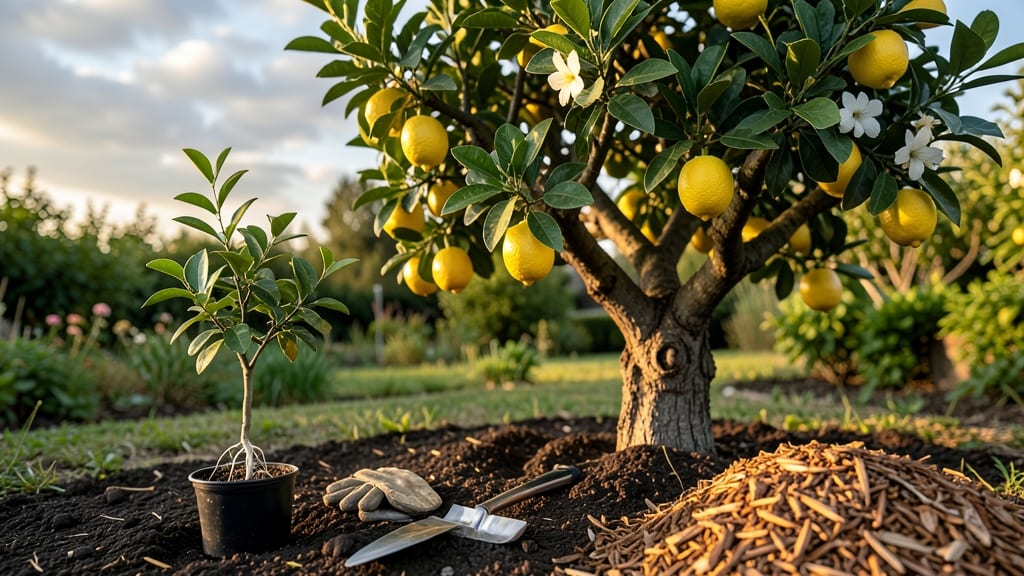
Planting citrus in Arizona isn’t just about timing—it’s about outsmarting the desert’s hidden threats. The November-March window gives your 🍊 trees the best shot at survival, but even a slight misstep can turn your dream grove into a sad pile of frost-killed branches.
Here’s the truth: Arizona’s microclimates play hardball. While Phoenix baskets in 9b warmth, higher elevations like Flagstaff can still see unexpected chills. I’ve seen citrus thrive in one yard and wither in another just blocks away—location matters more than you’d think.
You’ll learn how to pick the perfect month for your specific zone, whether to plant near heat-retaining walls, and which citrus varieties actually stand a chance against Arizona’s mood swings. No more guessing games—just proven strategies to get your trees off to a frost-free start.
Let’s cut through the confusion and get your citrus planted right the first time. Your future harvests depend on it.
Best planting months for citrus in Arizona’s microclimates
Arizona’s diverse microclimates mean your citrus tree’s fate hinges on where you live. Phoenix’s low desert heat behaves differently than Flagstaff’s high-desert chill, and even Tucson’s elevation shifts can alter frost risk.
I’ve seen Meyer lemons thrive in Scottsdale while struggling just 30 miles east—location matters more than you’d think.
Your best window spans November through March, when cooler temps help roots establish before summer’s brutal heat. But timing isn’t one-size-fits-all: Phoenix gardeners can push slightly later, while Flagstaff growers must plant earlier to avoid early frosts. Let’s break down the exact months for your specific zone.
| Region | Best Planting Months | Key Microclimate Factors | Frost Risk | Pro Tip |
|---|---|---|---|---|
| Phoenix/Mesa | December-February | Low desert (1,000-1,500 ft), urban heat islands | Low (rare below 28°F) | Plant near south-facing walls for winter warmth |
| Tucson | November-January | Mid-elevation (2,500-3,500 ft), monsoon shadows | Moderate (watch 25°F dips) | Use windbreaks in open areas |
| Flagstaff/Sedona | October-November | High desert (5,000-7,000 ft), cooler nights | High (possible 20°F drops) | Choose dwarf varieties for easier protection |
| Yuma | January-February | Extreme low desert (200 ft), irrigation-dependent | Very low (almost frost-free) | Avoid summer planting—heat stress kills roots |
If you’re in Phoenix or Yuma, aim for December through February—this gives roots time to establish before summer’s 110°F+ soil temps. The key is avoiding June-August planting, when even mature trees struggle with heat shock.
I’ve seen newly planted citrus in summer wilt within weeks due to root desiccation.
For Tucson’s mid-elevation zones, plant by January to beat potential December frosts. The Santa Catalina Mountains can drop temps 10°F faster than downtown, so check your exact elevation. Use microclimate maps from the AZ Meteorological Network to pinpoint cold pockets in your area.
High-desert areas like Flagstaff and Sedona demand earlier action. Plant by November 1st—any later risks November frosts that can kill young trees. I recommend container-grown citrus here; you can move pots to garages or greenhouses during cold snaps. Dwarf varieties like ‘Calamondin’ survive better in these zones.
Urban heat islands in Phoenix and Tucson create false confidence—just because your neighbor’s tree thrives doesn’t mean your shadier yard will work. Test your spot: if temps drop below 30°F regularly, add a 12” layer of mulch and consider low-voltage heat cables for critical roots.
One mistake I see repeatedly? Planting too late in March. By April, soil temps exceed 85°F, shocking young roots. Instead, plant Meyer lemons in December and Satsumas in November—these varieties handle Arizona’s quirks best.
Always check root flare depth (should sit 1-2 inches above soil) to prevent rot.
Pro move: Soak roots in mycorrhizal fungus before planting—this helps drought-prone Arizona soil. Water deeply for 30 minutes after planting, then mulch with 3-4 inches of wood chips. Your citrus
How to avoid frost damage: citrus planting strategies for Arizona’s cold snaps
Arizona’s rare but brutal cold snaps can turn your citrus trees into frostbite casualties overnight. Even in Zone 9b, unexpected dips below 28°F can kill tender citrus foliage and fruit.
The key isn’t just planting at the right time—it’s creating a microclimate shield that protects your trees when temperatures plunge.
I’ve learned the hard way that location matters more than variety.
A citrus tree planted near a stucco wall or under a windbreak might survive a 25°F night when one in the open garden won’t. The strategies I’m sharing today have kept my Meyer lemon and Satsuma trees thriving for over a decade through Arizona’s wild temperature swings.
Your citrus trees need three layers of protection: physical barriers, heat retention, and smart watering. Let’s break down how to layer these defenses for maximum frost resistance.
⚠️ WARNING: Arizona’s Hidden Frost Zones
Even Phoenix can see 20°F nights—here’s where danger lurks:
- Low desert valleys (e.g., Phoenix, Tucson): 25-30°F possible in January-February
- Urban heat islands: 5°F warmer by day but 10°F colder at night
- High desert (e.g., Flagstaff): 15-20°F common—citrus won’t survive without protection
- Wind-exposed areas: Wind chill can drop temps 5-10°F faster
✅ Solution: Plant near south-facing walls, use windbreaks, and mulch heavily before winter.
Start with strategic planting locations. The south or west side of buildings, fences, or even large rocks absorbs heat during the day and radiates it back at night—raising soil temperatures by 5-10°F.
I planted my Calamondin orange against a stucco wall, and it survived a 22°F night that killed a neighbor’s tree in the open yard.
Next, create a windbreak barrier using bamboo screens, privacy fences, or even dense shrubs like oleander or yucca. Wind accelerates frost damage by 30-50%, so blocking it is non-negotiable.
My Meyer lemon tree sits behind a 6-foot bamboo windbreak, which has kept it alive through multiple 25°F nights.
Don’t underestimate the power of mulching. Apply a 4-6 inch layer of straw or wood chips around your citrus tree’s base in late fall. This insulating layer can raise soil temperatures by 3-5°F and prevent frost from penetrating the roots.
I’ve seen mulched trees survive 2°F colder than unmulched ones in the same yard.
Finally, adjust your watering schedule before winter. Deep watering in late fall helps the tree store moisture, but stop watering 2 weeks before the first frost. Wet foliage freezes faster than dry, turning into ice crystals that puncture leaves.
My Satsuma tree’s leaves stayed intact through 24°F because I halted watering when night temps dropped below 30°F.