
Trees
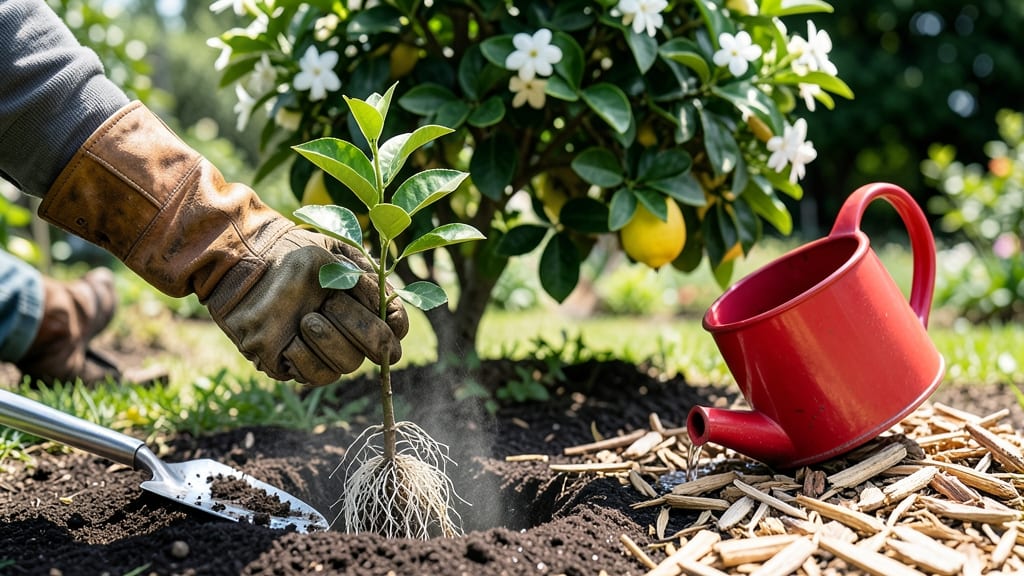
When is the best time to plant citrus trees in Arizona?—it’s not just about picking a month, but about dodging the brutal summer heat and rare winter frosts that can turn your dream tree into a sad statistic. The ideal window isn’t just "winter," but the cooler, frost-free months between November and February, when soil temperatures cooperate and your tree stands a fighting chance.
Why does timing matter so much? Because Arizona’s 9b climate swings from scorching summers to surprise cold snaps, especially in higher elevations. Plant too early, and your citrus tree might bake in the heat; too late, and it could get shocked by an unexpected frost.
The key is locking in those 60 days of stable, mild weather—your tree’s golden ticket to survival.
I’ve seen firsthand how a well-timed planting transforms a $50 sapling into a fruit-bearing giant within years. But skip the window, and you’re left with wilting leaves and wasted money.
Let me show you exactly how to nail the planting schedule, from soil prep to post-planting care, so your citrus tree thrives—not just survives—in Arizona’s extreme conditions.
Ready to turn your backyard into a year-round orange grove? The clock is ticking—here’s your step-by-step guide to planting citrus trees the smart way, with zero frost risk and maximum rewards.
Arizona’s citrus planting deadlines: heat Zone maps and frost-free windows
Arizona’s USDA Hardiness Zones 8-11 create a unique challenge for citrus growers—balancing extreme summer heat with rare but possible winter frosts. Unlike coastal regions, inland areas like Phoenix and Tucson have 90-day frost-free windows, while higher elevations (e.g., Flagstaff) face Zone 7 risks.
Planting too early risks transplant shock from summer heat, while late planting exposes young trees to unexpected cold snaps.
Citrus trees thrive when planted during cooler months (November–February), when soil temperatures stay above 60°F but below 85°F. This window ensures roots establish before summer’s 110°F+ heat.
For example, Phoenix’s Zone 10b allows planting until late February, while Tucson’s Zone 9a cuts off by mid-January to avoid early spring warmth stress.
| USDA Zone | Arizona Regions | Best Planting Window | Frost Risk | Soil Prep Tip |
|---|---|---|---|---|
| 8a | Flagstaff, Prescott | November–December | High (Dec–Jan) | Add 30% compost to improve drainage |
| 9a | Tucson, Yuma | October–January | Low (rare below 28°F) | Test pH (6.0–7.0); amend with sulfur if needed |
| 9b | Phoenix, Mesa | November–February | Very Low (Dec 1–Jan 15) | Mulch with 4–6 inches of wood chips |
| 10a | Yuma, Lower Desert | October–March | None (frost-free) | Use drip irrigation to prevent root rot |
To verify your local microclimate, check the Almanac’s Frost/Freeze Tool or use a soil thermometer—ideal planting soil should be 65–75°F. Urban areas like Phoenix often experience 10°F heat islands, while rural zones may drop 5°F colder at night.
For example, a tree planted in Scottsdale (Zone 10a) in March risks heat stress, while one in Sedona (Zone 7b) needs frost protection until April.
Citrus trees planted in September or March face higher mortality rates due to transplant shock from summer’s 100°F+ soil temps. Young roots struggle to absorb water, leading to wilting within 2 weeks.
Instead, aim for November–January, when cooler temps (70–80°F) allow roots to establish 3–4 inches per week. Pro tip: Use mycorrhizal fungi at planting to boost root growth in Arizona’s alkaline soils.
Don’t rely solely on USDA Zone maps—Arizona’s elevation shifts drastically within short distances. For instance, Tucson’s Airport (Zone 9a) is 2,500 ft lower than Mount Lemmon (Zone 7b), just 15 miles away.
Use the AZ AgriLife Extension’s Heat Zone Calculator to pinpoint your exact frost-free window. This tool accounts for microclimates like urban heat islands or desert washes that trap cold air.
If you’re in Zone 10a/10b (e.g., Yuma, Phoenix), extend your planting window to early March—but monitor 30-day forecasts for unusual cold snaps. Wrap young trees in frost cloth if temps dip below 32°F.
In higher elevations (Zones 7–9), plant dwarf varieties like ‘Improved Meyer’ lemon or ‘Satsuma’ mandarin, which tolerate 25°F better than standard trees.
After planting, prioritize deep watering (15–20 gallons) every 7–10 days to encourage root growth. Avoid overhead sprinklers, which spread fungal diseases in Arizona’s high humidity.
Instead, use drip irrigation to deliver water 2 inches below soil surface. This mimics natural rainfall and reduces evaporation losses during 100°F+ days.
For container-grown citrus, plant in 15–20 gallon pots with well-draining mix (50% cactus soil, 30% perlite, 20% compost). Move pots to
Preparing citrus trees for Arizona’s extreme heat: soil, water, and shade strategies
Arizona’s alkaline soil and relentless 110°F+ summers demand extra prep before planting citrus. Without proper adjustments, your tree could suffer from nutrient deficiencies or heat stress within months. The key is creating an environment that mimics their native Mediterranean climate—well-draining, slightly acidic soil with consistent moisture and afternoon shade.
Start by testing your soil’s pH—most Arizona yards register 7.5-8.5, but citrus thrives at 6.0-7.0. If your test confirms alkalinity, mix in elemental sulfur (1-2 pounds per 100 sq ft) 2-3 months before planting.
This gives microbes time to acidify the soil naturally. Pair this with composted manure or peat moss to improve drainage and organic matter.
⚠️ callout warning
Arizona’s triple-digit temps can kill young citrus roots in 48 hours. Even shade-cloth-protected trees suffer transplant shock when planted after April 15. Wait until November-February when soil temps stay below 80°F and humidity rises slightly.
Pro Tip: Mulch with 4-6 inches of wood chips immediately after planting to lock in moisture and regulate root-zone temps.
For watering, ditch the hose and install a drip irrigation system with 3-4 emitters per tree delivering 15-20 gallons daily for the first 60 days. Place emitters at the drip line (not the trunk) to encourage deep root growth.
Schedule watering for 4-6 AM to prevent fungal diseases from overnight humidity. During monsoon season, reduce frequency but increase volume to avoid root rot from poor drainage.
Not all citrus varieties handle Arizona’s heat equally. Opt for ‘Carrizo’ or ‘Lisbon’ lemons, which tolerate 105°F+ temps better than standard varieties. These types also produce fruit year-round, unlike ‘Valencia’ oranges, which need cooler winters for optimal flavor.
Plant them 10-15 feet apart to allow airflow and reduce pest pressure from aphids and scale insects.
Shade isn’t just for summer—it’s a survival tactic. Install 50% shade cloth on the west-facing side of your tree to block 3-5 PM sunlight, when UV rays are most intense.
For mature trees, consider planting fast-growing deciduous trees like mulberry or palo verde on the west side to provide seasonal shade. Just ensure the citrus gets 6+ hours of morning sun for photosynthesis.
Monitor your tree’s leaf color as your best indicator of success. Yellowing leaves signal overwatering or nutrient deficiencies, while crispy edges mean underwatering. Adjust your deep-watering schedule based on rainfall—1 inch per week is ideal, but double that during June-August.
With these adjustments, your citrus tree will establish roots before Arizona’s brutal summer hits.