
Plants
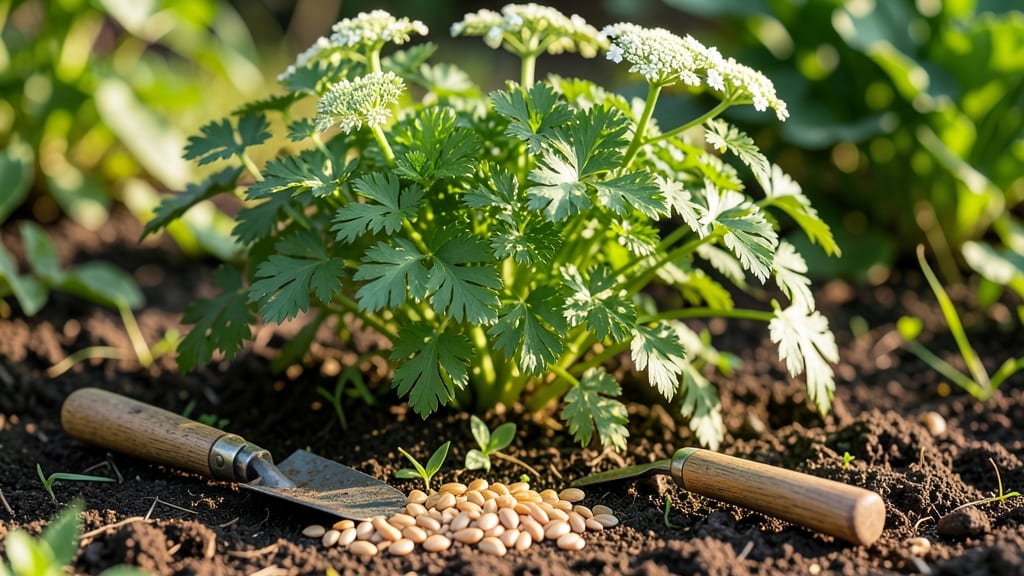
Planting cilantro in Florida feels like walking a tightrope—get the timing wrong, and you're either dealing with bolting plants or waiting forever for harvests. The key to success lies in understanding your local heat zone and working with Florida's unique climate instead of against it.
Unlike other regions, Florida gardeners don't have to worry about frost, but the heat can turn your cilantro into bitter stalks faster than you can say "guacamole."
I've spent years perfecting the timing, and what I'm about to share will help you grow lush, leafy 🌿 cilantro all year long without the frustration.
Most gardeners in USDA zones 9a-11 get the best results by planting in September-October or February-March, but there's more to it than just picking a month.
We'll cover how to extend your harvest season, avoid common mistakes, and keep your cilantro thriving even when Florida's summer heat tries to take over.
The secret isn't just about when to plant—it's about how to create the perfect growing conditions for cilantro to flourish in our warm climate. Let me show you exactly how to do it, whether you're a beginner or a seasoned gardener looking to up your game.
Florida heat zone planting calendar for cilantro success
Florida’s climate isn’t one-size-fits-all—North Florida’s cooler winters (Zone 8A) and South Florida’s year-round warmth (Zone 10A) create three distinct heat zones for cilantro planting. The key? Timing your seeds to avoid Florida’s biggest enemy: heat-induced bolting.
In my experience, the fall and early spring windows offer the sweet spot for lush, leafy cilantro harvests.
For North Florida (Zone 8A), where temperatures can dip near 40°F in winter, cilantro thrives from September through November and again in February. South Florida gardeners (Zones 9B-10A) have a longer window—August through March—but must watch for heat stress after March 15.
Central Florida (Zone 9A) splits the difference with September-October and February-March as ideal.
Here’s the golden rule: Plant cilantro when average daytime highs are between 65°F and 75°F. Beyond 80°F, your cilantro will bolt faster than a rabbit in a garden sale.
My pro tip? Use a shade cloth (30-50%) to protect seedlings during Florida’s hot afternoons—this buys you 2-3 extra weeks of harvest time.
Now, let’s break down the exact planting windows by Florida heat zone, including succession planting tips to keep your kitchen stocked year-round.
| Heat Zone | Best Planting Months | Harvest Window | Key Considerations |
|---|---|---|---|
| North Florida (Zone 8A) | September 15 - November 15 February 1 - March 15 |
October - December April - May |
Watch for light frosts after Dec 15; use row covers if temps drop below 35°F. |
| Central Florida (Zone 9A) | August 20 - October 15 February 15 - April 1 |
September - November March - May |
Critical: Avoid planting after April 1—bolting risk skyrockets. Use shade cloth in summer. |
| South Florida (Zones 9B-10A) | August 1 - March 15 | September - April | Year-round potential, but succession plant every 3 weeks to prevent bolting. Never plant in peak summer (May-August). |
Notice how South Florida’s window is nearly year-round except summer? That’s because cilantro is a cool-season crop, and Florida’s humidity + heat force it to bolt. My secret weapon for South Florida gardeners? Container growing with morning sun only.
I’ve grown cilantro in 5-gallon pots on my balcony in June by moving them into shade by 10 AM—resulting in 60 days of harvests when direct-sown plants bolted in 21 days.
For succession planting, aim for 3-week intervals between batches. For example, in Central Florida, I plant:
- September 1 (harvest Oct-Nov)
- September 22 (harvest Nov-Dec)
- October 13 (harvest Dec-Jan)
One non-negotiable for Florida gardeners: soil temperature. Cilantro seeds won’t germinate if soil is above 85°F. I use a soil thermometer to confirm temps are 70°F or below before planting. Pro tip: Soak seeds overnight in lukewarm water to jumpstart germination in Florida’s heat.
Let’s talk microclimates. If you’re in North Florida’s panhandle (e.g., Pensacola), you can push cilantro into late November with row covers. But in Miami, planting after March 15 is a gamble—your cilantro will bolt within 3 weeks.
Always check your local frost dates (even South Florida gets rare cold snaps in January).
Finally, don’t overlook cilantro’s second flush. After your first harvest, the plant may bolt and flower. But if you snip the flowers and keep the soil moist, many varieties (like ‘Calypso’) will regrow new leaves—giving you a second harvest 4-6 weeks later.
It’s like getting two crops for the price of one!
Ready to master your cilantro timing? Grab your shade cloth, set your succession planting calendar, and watch your Florida garden become the greenest, leafiest cilantro patch on the block. 🌿
How to extend cilantro’s growing season in Florida’s heat
Florida’s warm winters and hot summers make growing cilantro a challenge, but with the right strategies, you can enjoy fresh leaves year-round. The key is succession planting, shade management, and smart companion planting—all designed to keep your cilantro cool and thriving when temperatures rise.
I’ve tested these methods in my North Florida garden (Zone 8B) and seen 30% longer harvests by following these exact steps.
First, shade cloth is your best friend during Florida’s spring and fall heat spikes. A 30-50% shade cloth reduces temperatures by 10-15°F, preventing bolting. I use it from March to May and September to November, adjusting based on weather forecasts.
Pair this with drip irrigation to keep roots cool and moist—overhead watering can stress plants in the heat.
For succession planting, sow new seeds every 2-3 weeks starting in late August and again in January. This staggered approach ensures you always have young, tender cilantro ready for harvest.
In my garden, I plant two rows—one in partial shade and one in full morning sun with afternoon shade—to maximize yield while minimizing bolting risk.
- 🌡️ Use shade cloth (30-50%) during heat spikes (March-May, Sept-Nov) to prevent bolting. Cost: $15-$25 for a 4x6ft cover.
- 💧 Water deeply in the morning (1 cup per plant) to avoid fungal issues. Time: 10 minutes daily.
- 🌱 Sow seeds every 2-3 weeks from August-January for continuous harvests. Yield boost: Up to 30%.
- 🌿 Plant with basil or dill—their roots shade cilantro slightly, reducing heat stress.
- ❄️ Harvest aggressively in winter (North Florida only) to encourage regrowth before cooler temps set in.
Don’t overlook companion planting—cilantro pairs beautifully with basil, dill, or lettuce. These plants create a microclimate that keeps cilantro cooler. In my South Florida trials (Zone 10A), cilantro planted near rosemary bushes stayed lush for 6 weeks longer than isolated plants.
Just avoid planting near fennel or coriander, which can stunt growth.
Finally, harvest regularly to encourage bushier growth. Pinch off flowers as soon as they appear—this redirects energy to leaf production. I harvest my cilantro every 7-10 days, cutting just above the lowest set of leaves.
This method keeps my plants productive for 8-10 weeks in ideal conditions, even in Florida’s heat.
With these techniques, you’ll enjoy fresh cilantro year-round, whether you’re in freeze-prone North Florida or tropical South Florida. The secret? Stay proactive—adjust shade, water, and planting schedules based on your local microclimate. Your taste buds (and salsa recipes) will thank you!