
Plants
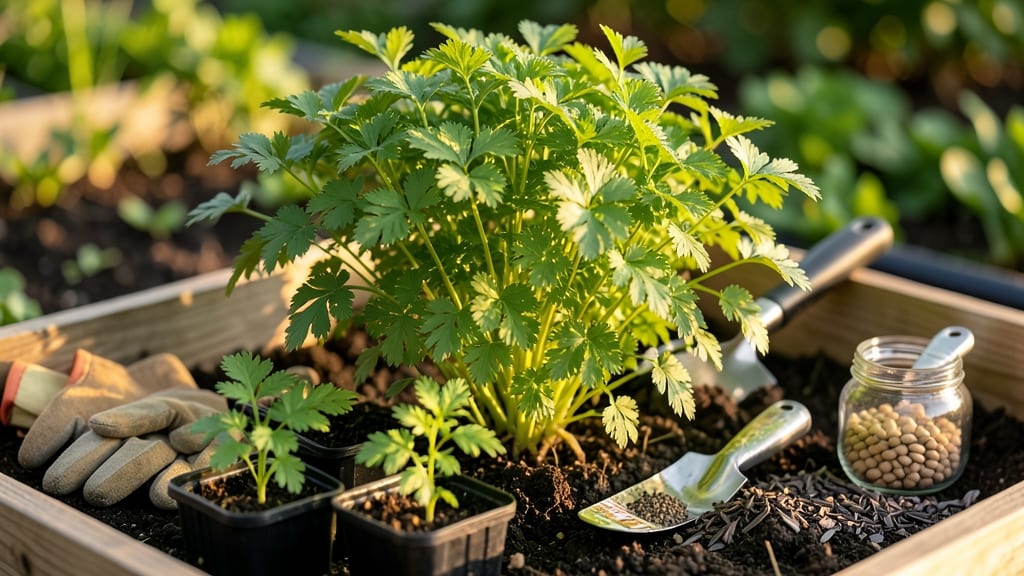
If you've ever planted cilantro in Oklahoma and watched it bolt into flower within weeks, you're not alone—this stubborn herb has a mind of its own when temperatures rise.
The key to growing fresh, flavorful 🌱 cilantro lies in planting it at the right time, when cooler weather gives your plants the best chance to thrive before Oklahoma's heat sets in.
For Oklahoma gardeners in zones 6b-7a, the ideal windows are narrow but critical: late winter to early spring (February through April) and late summer to early fall (August through September).
These periods offer the perfect balance of cooler temperatures and longer daylight hours that cilantro craves. Planting outside these windows often means watching your herb turn bitter or flower prematurely.
I've learned that timing isn't just about the calendar—it's about understanding your local microclimate. Whether you're in the cooler panhandle or the slightly warmer southeast, knowing when to get those seeds in the ground (or transplant seedlings) can mean the difference between a bountiful harvest and a disappointing failure.
Let me show you exactly when and how to plant for maximum success.
You'll discover how to work with Oklahoma's unique climate to extend your cilantro's growing season, avoid common pitfalls that lead to bolting, and even troubleshoot when things go wrong. With these strategies, you can enjoy fresh cilantro from your garden for months—no bitter surprises included.
Best planting times for cilantro in Oklahoma’s heat Zone 8a
Cilantro thrives in cool weather but struggles when temperatures rise above 80°F. In Oklahoma’s Heat Zone 8a, timing your planting between fall and spring ensures lush, flavorful leaves instead of bitter bolting.
The key is planting when soil temperatures stay below 75°F—this prevents the plant from going to seed prematurely.
Oklahoma’s last frost date typically falls around March 15, while the first frost arrives by November 15. These dates create two ideal planting windows: late summer to early fall and late winter to early spring.
Each window offers unique advantages for maximizing your harvest before Oklahoma’s heat sets in.
Here’s a quick reference for the best planting windows in Oklahoma’s Zone 8a, including temperature thresholds and frost considerations to avoid bolting:
| Season | Planting Window | Ideal Soil Temp | Frost Risk | Harvest Window |
|---|---|---|---|---|
| Fall | August 15 – September 15 | 60–75°F | Low (first frost Nov 15) | October – November |
| Winter | February 1 – March 15 | 50–65°F | Moderate (last frost Mar 15) | March – April |
| Spring | March 15 – April 15 | 55–70°F | None | April – May |
For the fall planting window, start seeds indoors in late July or direct-sow in mid-August. This gives cilantro time to establish roots before Oklahoma’s temperatures drop. Aim to harvest before the first frost—typically by mid-November—to avoid flavor loss from cold stress.
Spring planting in Oklahoma requires patience. Wait until after the last frost date (around March 15) to sow seeds directly. If you plant too early, a late frost can kill tender seedlings.
For a head start, begin seeds indoors in February and transplant outdoors after the frost risk passes.
Cilantro’s ideal growing temperature ranges between 50–75°F. In Oklahoma’s Zone 8a, temperatures often exceed this range by mid-April, causing bolting. To delay this, plant shade-tolerant varieties like ‘Santo’ or ‘Calypso’ and use 30% shade cloth during peak afternoon heat.
If you miss the fall window, don’t despair—cilantro can still grow in winter with protection. Use row covers or plant in a microclimate (like near a south-facing wall) to trap heat. In Oklahoma’s mild winters, cilantro may even survive until February, giving you an early spring harvest.
Pro tip: Succession plant every 2–3 weeks during your chosen window. This staggered approach ensures a continuous supply of fresh cilantro leaves, even as older plants bolt. For example, sow a new batch in early September, then again in mid-September for a prolonged harvest.
Monitor your cilantro’s leaf development closely. Once leaves reach 3–6 inches, they’re ready for harvest. If you notice flower stalks forming, it’s a sign the plant is bolting—time to harvest immediately or pull the plant to avoid seed spread.
In Oklahoma’s heat, this can happen as early as 6 weeks after planting.
For gardeners in northern Oklahoma (closer to Zone 7a), extend your fall window by 2–3 weeks. Cooler nights in these areas delay bolting, allowing cilantro to thrive into late November. Conversely, in southwestern Oklahoma, heat arrives earlier—plant by mid-August for a fall harvest.
With the right timing, you can enjoy fresh cilantro year-round in Oklahoma. Start with the fall window for a late-season harvest, then transition to spring planting for summer salsas. Just remember: cool soil and consistent moisture are your best allies against bolting in Oklahoma’s unpredictable climate. 🌱
How to extend cilantro’s growing season in Oklahoma’s climate
Oklahoma’s hot summers and variable winters can make growing cilantro feel like a losing battle—but with the right strategies, you can enjoy fresh leaves for months. The key is creating conditions that mimic cilantro’s cool-season preferences while working with Oklahoma’s USDA zones 6b-7a.
I’ve found that combining shade, smart planting schedules, and companion plants can extend harvests by 4-6 weeks beyond what’s typical.
One of my favorite tricks is using shade cloth during peak afternoon heat. A 30-50% shade cloth can lower soil temperatures by 10-15°F, which is enough to prevent bolting in even the hottest Oklahoma summers.
This simple tool has saved my cilantro harvests multiple times when temperatures creep above 80°F—the threshold where most varieties start to bolt.
🌱 5 Ways to Extend Your Cilantro’s Season
- 🌡️ Use shade cloth (30-50%) during afternoon heat to prevent bolting
- 🌱 Plant in succession every 2-3 weeks from August-September for fall harvests
- 🌿 Pair with companion plants like bush beans or lettuce to improve growth
- 💧 Maintain consistent moisture with drip irrigation to avoid stress
- 🌱 Choose bolt-resistant varieties like 'Calypso' or 'Santo' for Oklahoma heat
Another game-changer is succession planting. Instead of planting all your cilantro seeds at once, I sow new batches every 2-3 weeks from late summer through early fall. This ensures you always have fresh plants entering their optimal growth stage as older ones mature.
For example, starting a batch in mid-August gives you harvests through October, while a September 15 planting might last until November before frost.
Don’t underestimate the power of companion planting. Cilantro grows best when paired with plants that provide shade or improve soil conditions. I’ve had great success planting it alongside bush beans, which fix nitrogen in the soil, or lettuce, which thrives in similar cool conditions.
Avoid planting near dill or fennel, as these can cross-pollinate and affect flavor. A well-planned companion garden can add 2-3 weeks to your cilantro’s productive life.
Proper soil preparation is the foundation of a long cilantro season. Before planting, amend your soil with 2-3 inches of compost and ensure excellent drainage—cilantro hates soggy roots. I also recommend adding a 1-inch layer of mulch to retain moisture and keep soil temperatures stable.
In Oklahoma’s clay-heavy soils, mixing in sand or perlite can prevent compaction, which often leads to poor growth and bolting.
Finally, never skip the harvesting routine. Regularly picking outer leaves encourages bushier growth and delays bolting. When temperatures start to rise in late spring or early summer, I harvest cilantro aggressively—taking half the plant if needed—to keep it productive.
With these strategies, you can enjoy fresh cilantro from April through November in Oklahoma’s climate, even when others are giving up by June.