
Plants
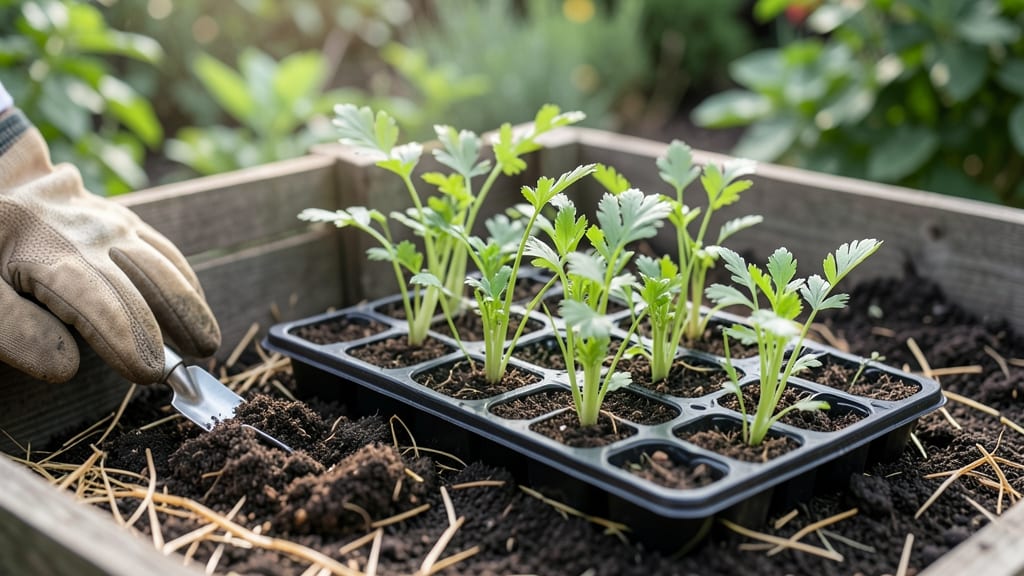
To grow crisp, flavorful 🥬 celery in Zone 6, timing is everything—plant too early and risk frost damage, too late and your harvest may bolt or taste bitter.
The secret lies in understanding your region's frost dates and soil temperatures, which can make all the difference between a thriving garden and a disappointing one.
In Zone 6 (General), your best bets are early spring or late summer, when cooler temperatures align with celery's love for mild conditions. I've learned that planting in March-April or July-August gives your stalks the ideal growing window before heat sets in.
But there's more to it than just dates—soil prep and spacing play crucial roles too.
If you're wondering whether to start seeds indoors or transplant seedlings, I'll break down the pros and cons for Zone 6 gardeners. We'll also cover how to extend your harvest season with simple techniques that work even in hotter months.
Ready to grow celery that rivals the grocery store? Let's get started.
By the end, you'll know exactly when to plant, how to protect your crop from common pitfalls, and what to watch for to ensure a bountiful harvest. Trust me, your taste buds will thank you when you bite into that first homegrown stalk—crisp, fresh, and packed with flavor.
Optimal planting windows for celery in Zone 6 (direct sow vs transplant)
Celery (Apium graveolens) loves cool weather but bolts quickly when temperatures climb above 75°F (24°C). In Zone 6, your best bets are early spring and late summer planting.
The key is timing soil temperatures between 50°F–70°F (10°C–21°C)—any hotter, and your plants will rush to flower instead of forming crisp stalks.
Direct-sowing seeds is trickier than transplanting starts, but both methods work if you follow the frost-free timeline. My rule of thumb: Start seeds indoors 10–12 weeks before last frost (mid-April in Zone 6) or sow directly when soil reaches 50°F (10°C).
For late-season crops, aim to transplant 8–10 weeks before first frost (mid-October).
| Method | Optimal Planting Window | Soil Temp Threshold | Days to Harvest | Key Consideration |
|---|---|---|---|---|
| Direct Sow (Spring) | Mid-March to early April | 50°F–60°F (10°C–15°C) | 120–150 days | Slow germination (14–21 days); thin seedlings to 6–8 inches apart. |
| Transplant (Spring) | Late April to mid-May | 55°F–65°F (13°C–18°C) | 100–130 days | Hardier starts; harden off for 7–10 days before planting. |
| Direct Sow (Late Summer) | Late July to early August | 60°F–70°F (15°C–21°C) | 90–120 days | Use shade cloth (30–50%) to prevent bolting. |
| Transplant (Late Summer) | Mid-August to early September | 65°F–75°F (18°C–24°C) | 80–100 days | Prioritize evening harvests to avoid heat stress. |
For spring planting, I recommend starting with transplants if possible—they establish faster and avoid the 14–21 day germination lag of direct-sown seeds.
If you’re sowing directly, use black plastic mulch to warm soil faster and deter weeds. Never plant celery after May 15 in Zone 6, or you’ll risk bolting before stalks mature.
Late-summer crops are my favorite for fall harvests. The trick is to transplant in August when soil is still warm but nights are cooling. Use drip irrigation to maintain moisture without wetting foliage, which reduces fungal risks like celery leaf spot.
I’ve had success with ‘Tall Utah’ and ‘Golden Self-Blancing’ varieties in these conditions.
One common mistake? Assuming celery can handle full sun. While it needs 6+ hours of light daily, afternoon shade is critical in Zone 6’s summer heat.
If your garden gets intense afternoon sun, plant near a tall trellis or fence to create natural shade. Morning sun + afternoon shade is ideal for crisp stalks.
Pro tip: Succession plant every 2–3 weeks in spring for a staggered harvest. For late crops, cover seedlings with row fabric during heatwaves to protect young plants. With the right timing, you can enjoy homegrown celery from May through October—way beyond store-bought availability! 🥬
Remember, soil temperature matters more than air temperature. Use a soil thermometer to confirm conditions before planting. If your soil runs hotter than 75°F (24°C), delay until temperatures drop—celery won’t wait for cooler weather! ☀️
How to extend your celery season in Zone 6 (proven techniques)
Celery loves cool weather, but Zone 6's summer heat can turn your crisp stalks bitter or cause them to bolt prematurely. The key to extending your harvest is creating the right conditions—think shade protection, consistent moisture, and strategic planting.
I've found that combining these techniques can add 4-6 weeks to your celery season, giving you fresh harvests well into fall.
One of my favorite tricks is using row covers or shade cloth during peak summer months. These simple tools can lower soil temperatures by 10-15°F, keeping your celery happy when outdoor temps climb above 75°F (24°C).
I've seen dramatic results with 30-50% shade cloth, which blocks just enough sunlight to prevent bolting while still allowing growth.
🌱 Proven Techniques to Extend Your Celery Season
- 📅 Succession Planting: Sow seeds every 2-3 weeks from March through July. This ensures a continuous harvest as older plants mature.
- 🛡️ Row Covers: Use lightweight fabric to protect from heat stress and pests. Remove during harvest to prevent moisture buildup.
- ☀️ Shade Cloth: Install 30-50% shade during summer months. Secure tightly to avoid wind damage and maintain even coverage.
- 💧 Deep Watering: Water deeply 2x daily during hot spells. Use drip irrigation to keep soil consistently moist at root level.
- 🌱 Soil Prep: Amend beds with compost and organic matter before planting. Aim for pH 6.0-6.8 for optimal nutrient uptake.
- ⏳ Late Summer Planting: Start a second crop in late July for harvests in September-October. Choose bolt-resistant varieties like 'Utah' or 'Tall Utah'.
- 🌿 Interplanting: Grow celery with companion plants like bush beans or lettuce. These help shade roots and conserve moisture.
Don't overlook the power of succession planting—this is how I've managed to enjoy fresh celery from May through October in my Zone 6 garden. The trick is to stagger plantings every 2-3 weeks starting in early spring.
For late summer crops, I always choose bolt-resistant varieties like 'Utah' or 'Tall Utah' because they handle the transition to cooler fall weather better.
Another game-changer is mulching. A thick layer of straw or shredded leaves keeps soil temperatures stable and reduces water evaporation. I apply 3-4 inches of mulch around my celery plants within a week of transplanting.
This not only conserves moisture but also suppresses weeds, which can compete with celery for nutrients.
For gardeners who love container growing, large pots (12+ inches deep) work beautifully for celery. Just remember to place them in partial shade during summer afternoons. I've had great success with self-watering containers that maintain consistent moisture levels—celery absolutely hates drying out, and containers can help prevent that common issue.
Finally, watch for heat stress signs like yellowing leaves or bitter stalks. If you see these, it's time to act fast—provide shade immediately and increase watering frequency. With these techniques, you'll be harvesting crisp, flavorful celery well beyond the typical summer season in Zone 6.