
Plants
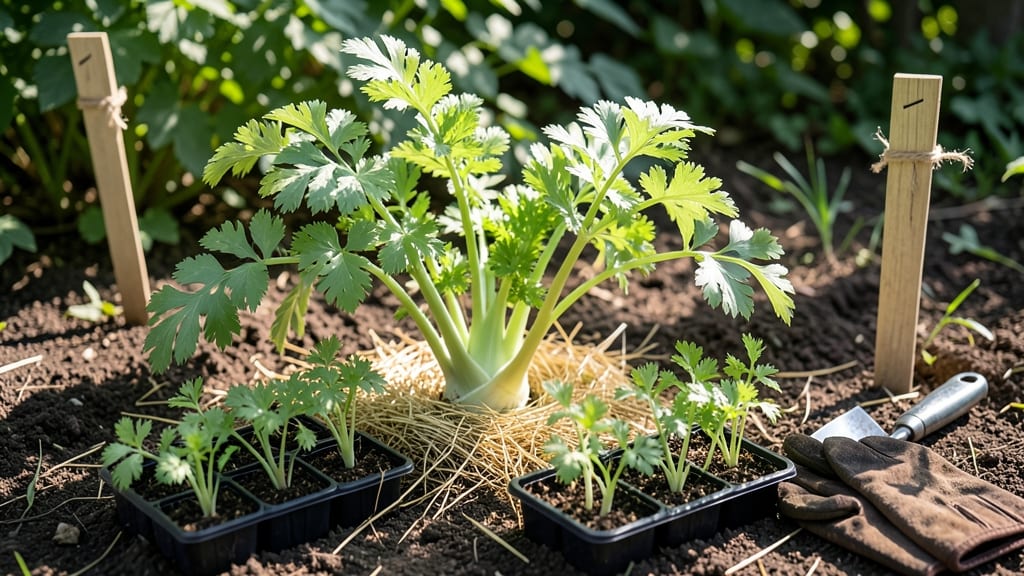
Planting celery in Ohio isn’t just about throwing seeds in the dirt—it’s about mastering timing to avoid frost damage while ensuring those crisp, sweet stalks mature just right.
With Ohio’s 6a climate and unpredictable frost dates, getting the window wrong can mean the difference between a bountiful harvest and a sad, wilted disappointment.
Most Ohio gardeners focus on two key planting windows: early spring (March-April) for summer harvests and late summer (July-August) for fall crops. But here’s the catch—celery hates heat, so planting too late in spring or too early in summer can stress your plants.
I’ll break down the exact frost-free timeline you need to follow, plus pro tips for extending your growing season if you’re eager to enjoy fresh 🥬 all year.
Whether you’re a first-time gardener or a seasoned green thumb, nailing the right moment to plant celery in Ohio can save you from common pitfalls like bolting (when celery flowers prematurely) or stunted growth.
You’ll learn how to prep your soil, space your plants for maximum yield, and even use row covers to push your harvest later into fall.
Let’s dive into the game-changer strategies that will help you grow celery like a pro—no more guessing, just crisp, homegrown success. Ready to transform your garden?
Ohio’s ideal celery planting windows by microclimate
Celery thrives in Ohio’s cool-season windows, but timing varies by microclimate. Northern Ohio’s USDA Zone 5b has earlier frosts than Southern Ohio’s Zone 6b, so adjust your schedule accordingly.
Most Ohio gardeners plant celery twice yearly: spring and fall, with 4-6 weeks before last frost as the sweet spot.
For direct sowing, wait until soil reaches 45-55°F—typically mid-April to early May in most regions. If you prefer transplants, start seeds indoors 8-10 weeks before last frost (early February for Northern Ohio, late February for Southern).
This gives seedlings a head start before April 15–May 15 frost dates.
Ohio’s four regions have distinct planting windows. Northern Ohio’s colder microclimate (e.g., Cleveland, Toledo) demands earlier starts, while Southern Ohio’s warmer zones (e.g., Cincinnati, Columbus) allow later transplants. Let’s break it down by region to avoid frost-related failures.
| Region | USDA Zone | Last Frost Date | Ideal Planting Window | Soil Temp Threshold |
|---|---|---|---|---|
| Northern Ohio | 5b (-15°F) | April 15–May 1 | Feb 15–Mar 15 (indoors) / Apr 15–May 1 (direct) | 45–50°F |
| Northwest Ohio | 6a (-10°F) | April 20–May 5 | Feb 20–Mar 20 (indoors) / Apr 20–May 5 (direct) | 48–52°F |
| Central Ohio | 6a (-10°F) | April 25–May 10 | Mar 1–Mar 25 (indoors) / Apr 25–May 10 (direct) | 50–55°F |
| Southern Ohio | 6b (-5°F) | May 1–May 15 | Mar 15–Apr 1 (indoors) / May 1–May 15 (direct) | 52–55°F |
For fall harvests, aim for July 15–August 15 plantings—this gives celery 120–150 days to mature before Ohio’s first frost (October 15–November 1). Use self-blanching varieties like Golden Self-Blanching for easier care and higher yields in shorter seasons.
If you’re in Northern Ohio, consider row covers to extend your fall season by 2–3 weeks. These lightweight fabrics protect tender celery from light frosts (28–32°F) while still allowing sunlight and airflow. For Southern Ohio, you might even squeeze in a late summer harvest with proper soil prep.
Always test your soil temperature before planting—celery roots struggle in cold, soggy soil. Use a soil thermometer to confirm 50°F+ before direct sowing. If your soil is too cold, wait 1–2 weeks or use black plastic mulch to warm it faster.
Pro tip: Hardening off seedlings is critical in Ohio’s variable spring weather. Acclimate transplants to outdoor conditions over 7–10 days before moving them to the garden. This reduces transplant shock and boosts survival rates, especially in windy Northwest Ohio.
For container gardening, plant celery in 5-gallon pots filled with well-draining potting mix. Containers warm up faster than garden beds, so you can plant 1–2 weeks earlier than in-ground. Just ensure pots have drainage holes to prevent root rot—a common issue with celery’s high water needs.
Ohio’s humidity and summer heat can stress celery, so shade cloth (30–50%) is a game-changer for Central and Southern Ohio. This protects leaves from sun scald while maintaining crisp stalks. Pair shade cloth with
Celery growth stages and Ohio’s frost risk timeline
Celery thrives in Ohio’s cool-season climate, but its growth stages are highly sensitive to temperature shifts and frost. Understanding these phases helps you avoid common mistakes like transplant shock or premature bolting.
The first critical stage is germination, which takes 14-21 days when soil temperatures hover between 45-55°F—ideal conditions in Ohio’s early spring or late summer.
Once sprouted, seedlings need consistent moisture and protection from sudden cold snaps. Ohio’s average last frost date (April 15–May 15) signals the perfect window to transplant hardened-off seedlings.
But rushing this step can lead to stunted growth, so always monitor your local microclimate—northern Ohio may need an extra week of caution compared to southern regions.
⚠️ callout-warning
Bolting Warning: Celery bolts (prematurely flowers) when exposed to temperatures above 80°F or sudden heat waves. Ohio’s summer heat (June-August) makes fall planting riskier—plan for shade cloth if attempting late-season growth.
Transplant Shock: Seedlings planted too early (before April 1) face frost damage. Harden off seedlings for 7-10 days before transplanting to 50°F soil—use a soil thermometer to confirm.
Frost Protection: Use row covers or cold frames to extend harvests into October. Remove covers by 10 AM daily to prevent overheating.
✅ Pro Tip: Plant Tall Utah or Golden Self-Blanching varieties—they tolerate Ohio’s short growing season better than standard types.
After transplanting, celery enters its vegetative growth phase, where stalks thicken over 60-90 days. This is when consistent watering (1-2 inches weekly) becomes non-negotiable—drought stress leads to bitter, woody stalks.
Ohio’s summer heat (July-August) can accelerate growth but also increases pest pressure, so monitor for aphids and celery moths.
By late summer, focus shifts to harvest timing and season extension. Ohio’s first frost typically arrives October 15–November 1, so plan to harvest celery by mid-October or use low tunnels to push harvests into November.
Varieties like Utah Improved mature in 120-140 days, making them ideal for Ohio’s short season.
For fall plantings, start seeds indoors in early July and transplant by mid-August to ensure maturity before frost. Mulch heavily with straw or leaves to insulate roots and maintain even soil temperatures.
This strategy lets you enjoy homegrown celery well into Ohio’s fall chill, long after summer crops have faded.
Remember, celery’s sweetness peaks when grown in cooler weather—Ohio’s spring and fall are your golden windows. By aligning each growth stage with your local frost dates, you’ll transform guesswork into a reliable harvest of crisp, flavorful stalks every season. 🥬