
Plants
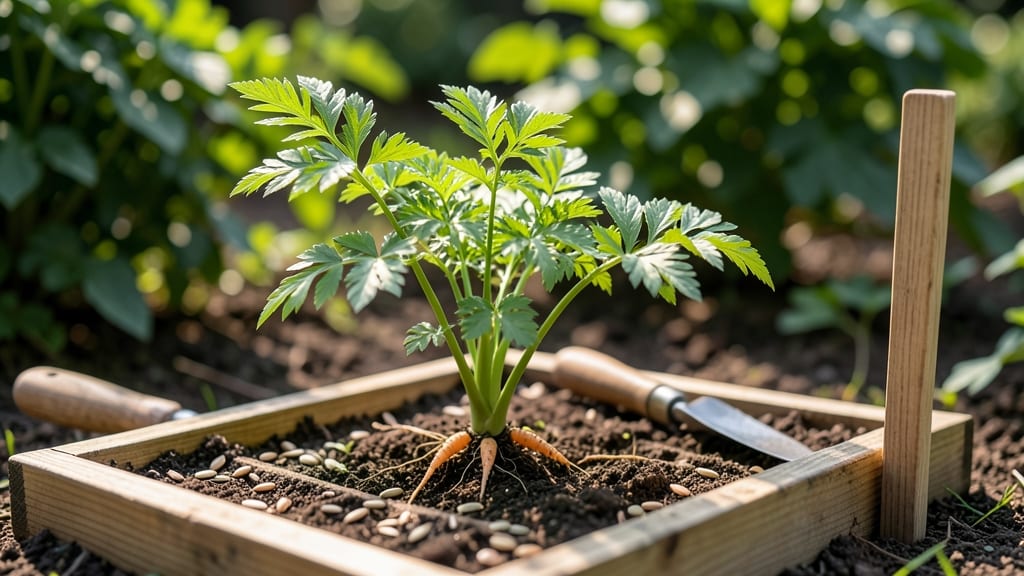
Planting carrots in the fall can yield sweeter, more flavorful roots than spring plantings—but only if you nail the timing. The secret lies in understanding your local frost dates and soil conditions, which can turn a bitter harvest into a garden triumph.
In Zone 6a, where I garden, the ideal window opens 4-8 weeks before the first frost—typically mid-September to early October. This timing ensures your 🥕 roots mature before winter sets in, developing their signature sweetness as they convert starches to sugars in cooler temps.
Many gardeners assume carrots can’t handle frost, but the truth is more nuanced. With the right preparation—like loose, well-drained soil and proper spacing—you can extend your harvest well into winter. I’ll show you exactly how to adjust for your climate, avoid common pitfalls, and maximize your fall carrot success.
Whether you’re a seasoned gardener or just starting, these insights will help you grow carrots that are crisp, sweet, and ready to harvest at their peak. Let’s get those seeds in the ground at the perfect moment!
Fall carrot planting calendar by USDA hardiness zones: exact dates for sweetest harvests
Timing your fall carrot planting is the single most important factor in growing sweet, flavorful roots. Unlike spring plantings, fall carrots develop their signature sweetness when exposed to cooler temperatures. The key is planting 4-8 weeks before your first frost date—a window that varies dramatically by USDA zone.
In my Zone 6a garden, that means seeds hit the soil between mid-September and early October, but gardeners in warmer zones can extend this window well into November.
Many gardeners mistakenly assume carrots are frost-sensitive, but the truth is more nuanced. While young seedlings won't tolerate hard freezes, mature roots can handle light frosts—especially when protected by mulch. The real enemy is soil temperature dropping below 50°F, which slows germination and root development.
I’ve found that maintaining soil temps between 55-65°F during germination gives the best results, even in cooler climates.
Here’s where things get interesting: the maturity timing of your carrot variety plays a huge role. Short-season varieties like ‘Paris Market’ (50 days) can be planted just 4 weeks before frost, while longer varieties like ‘Chantenay’ (75 days) need that full 8-week window.
Getting this balance right means the difference between harvest-ready carrots and bitter, underdeveloped roots.
Notice how the planting window shifts dramatically as you move south? In Zone 8, you can enjoy three full months of fall planting, while gardeners in Zone 3-4 need to work with a tight August window.
This is why variety selection matters—shorter-season varieties give northern growers flexibility, while longer-season types reward southern gardeners with bigger harvests.
One common mistake I see is planting too early in warm zones. When you sow carrots in August in Zone 7 or 8, the heat causes them to bolt prematurely, resulting in bitter, stringy roots.
The solution? Wait until late August or early September when soil temperatures drop slightly. I’ve found that waiting for daytime highs to fall below 85°F makes all the difference in my southern neighbors’ gardens.
For those in northern climates (Zones 3-5), the challenge is different: avoiding early frosts that can damage young seedlings. That’s why I recommend using row covers or cold frames for early plantings.
These simple tools can extend your growing season by 2-3 weeks, giving those slow-to-germinate seeds the protection they need while maintaining optimal soil temperatures.
Pro tip: Use a soil thermometer to check temperatures before planting. Carrot seeds need soil that’s at least 55°F to germinate properly. If your soil is cooler, wait a few days or use black plastic mulch to warm it up.
I keep mine handy year-round—it’s saved me from countless failed plantings when cool, damp springs slowed down germination.
Don’t forget about succession planting! In my Zone 6a garden, I make two plantings: one in mid-September for early October harvests and another in early October for November pulls. This staggered approach ensures a continuous supply of fresh carrots while accounting for variable weather patterns.
Even a 10-day difference in planting can mean the difference between harvest-ready roots and ones that need to overwinter.
Finally, remember that soil preparation is just as critical as timing. Carrots need loose, rock-free soil to develop properly. I always double-dig my beds in late summer, mixing in compost and coarse sand to improve drainage.
How to adjust your planting schedule for soil temperature and frost depth
Adjusting your carrot planting schedule for soil temperature and frost depth is the key to avoiding bitter, stunted roots. In my Zone 6a garden, I’ve learned that even a few degrees difference in soil warmth can mean the difference between a thriving crop and a failed harvest.
Carrots need soil temperatures between 50°F and 85°F to germinate properly—too cold, and seeds rot; too hot, and they bolt prematurely.
Don’t rely on air temperature alone! A soil thermometer is your best tool for precision. I bury mine 2 inches deep (where carrot seeds germinate) and check readings twice daily.
In early fall, soil cools faster than air, so I plant my last batch of carrots when the thermometer hits 60°F consistently—usually late September in my region. This timing ensures roots mature before hard frost.
For gardeners in shallow frost zones (like Zones 7-9), frost depth is less of a concern, but early mornings can still drop below freezing. I’ve found that row covers (like lightweight frost blankets) add 4-6°F of protection and extend the growing season by 2-3 weeks.
These are especially useful for slow-maturing varieties like ‘Chantenay’ that need 80 days to reach harvest size.
- 1 Test soil temperature with a thermometer—aim for 60°F+ for germination.
- 2 Use row covers to protect seedlings from light frosts (adds 4-6°F warmth).
- 3 Plant succession batches every 2 weeks for staggered harvests before frost.
- 4 Choose cold-hardy varieties like ‘Paris Market’ (50 days) for late plantings.
- 5 Mulch heavily with straw (4-6 inches) to insulate roots from shallow frost.
In heavy clay soils, which hold moisture but compact easily, I adjust my approach by adding organic matter (like compost or aged manure) to improve drainage. Compacted soil causes carrots to grow forked or misshapen, so I loosen the top 12 inches with a broadfork before planting.
For clay-heavy areas, I also plant shorter varieties like ‘Little Finger’ (40 days) that tolerate denser soil better.
Succession planting is my secret weapon for extending the harvest window. Instead of one massive planting, I sow small batches every 2 weeks starting in early September. This ensures a continuous supply of fresh carrots while accounting for variable frost dates.
For example, my first batch goes in when soil hits 60°F, the second 2 weeks later, and the final batch 3 weeks before the average first frost date.
If you’re in a northern climate with early frosts, consider overwintering carrots. I’ve had success leaving mature roots in the ground under 6 inches of straw mulch, harvesting them as needed until spring.
Just be sure to choose cold-tolerant varieties and avoid disturbing the soil until thawing occurs. With these adjustments, you can enjoy homegrown carrots well into winter!